Understanding the influence of perceived intelligence and perceived anthropomorphism on users’ intention to adopt healthcare chatbots - Report - MDSpire
Advertisement
Understanding the influence of perceived intelligence and perceived anthropomorphism on users’ intention to adopt healthcare chatbots
Clinical Report: Exploring User Perceptions of Healthcare Chatbots
Overview
Revise to specify how intelligence and anthropomorphism affect trust and adoption.
Background
The integration of AI technologies in healthcare, particularly through chatbots, presents an opportunity to enhance access to health information and medical advice. However, skepticism towards these systems persists, with many users preferring traditional consultations with human physicians. Understanding the factors that influence user acceptance is crucial for optimizing the deployment of AI in healthcare settings.
Data Highlights
No numerical data was provided in the article.
Key Findings
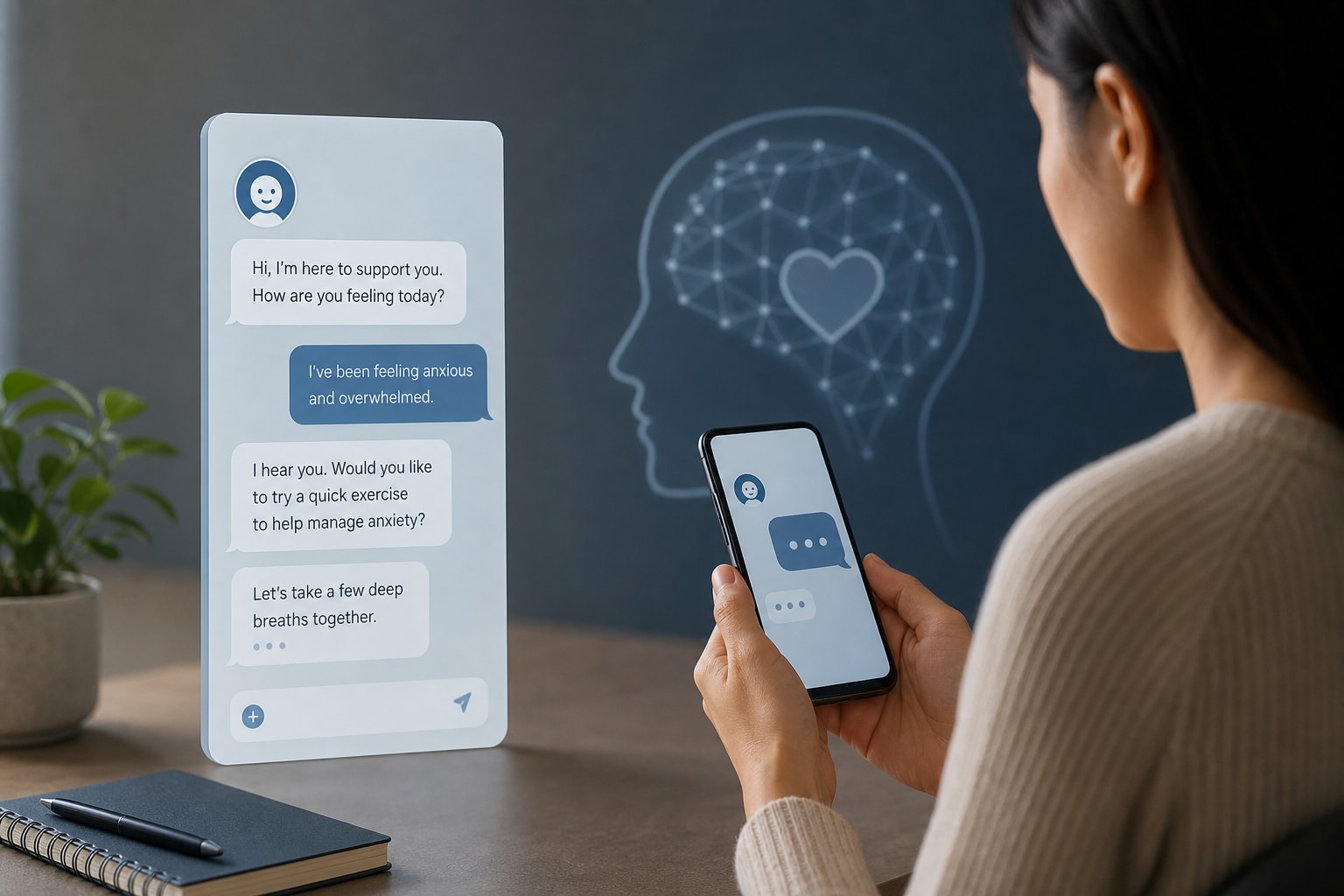
Perceived intelligence and anthropomorphism are critical attributes influencing user interactions with healthcare chatbots.
Trust in chatbots is multidimensional, encompassing benevolence, integrity, and competence.
Users' perceptions of chatbot capabilities can enhance their willingness to adopt AI for health consultations.
Concerns regarding performance risk and fairness significantly impact user acceptance of healthcare chatbots.
Prior studies have primarily focused on user-related factors, with limited attention to chatbot-specific characteristics.
Clinical Implications
Healthcare providers should consider the importance of perceived intelligence and anthropomorphism when implementing chatbots in clinical settings. Enhancing these attributes may improve user trust and increase the likelihood of adoption among patients seeking health information.
Conclusion
Understanding user perceptions of healthcare chatbots is essential for fostering trust and promoting their adoption. Future research should continue to explore the interplay between these perceptions and user engagement with AI technologies in healthcare.