Association between maternal PAH exposure and immune-inflammatory indices during pregnancy - Report - MDSpire

Association between maternal PAH exposure and immune-inflammatory indices during pregnancy

  • By

  • Lin Tao

  • Yi Zhang

  • Yuan-zhong Zhou

  • Xubo Shen

  • June 9, 2026

  • 0 min

Share

Clinical Report: Link Between Maternal Exposure to Polycyclic Aromatic Hydrocarbons and Immune-Inflammatory Markers in Pregnancy

Overview

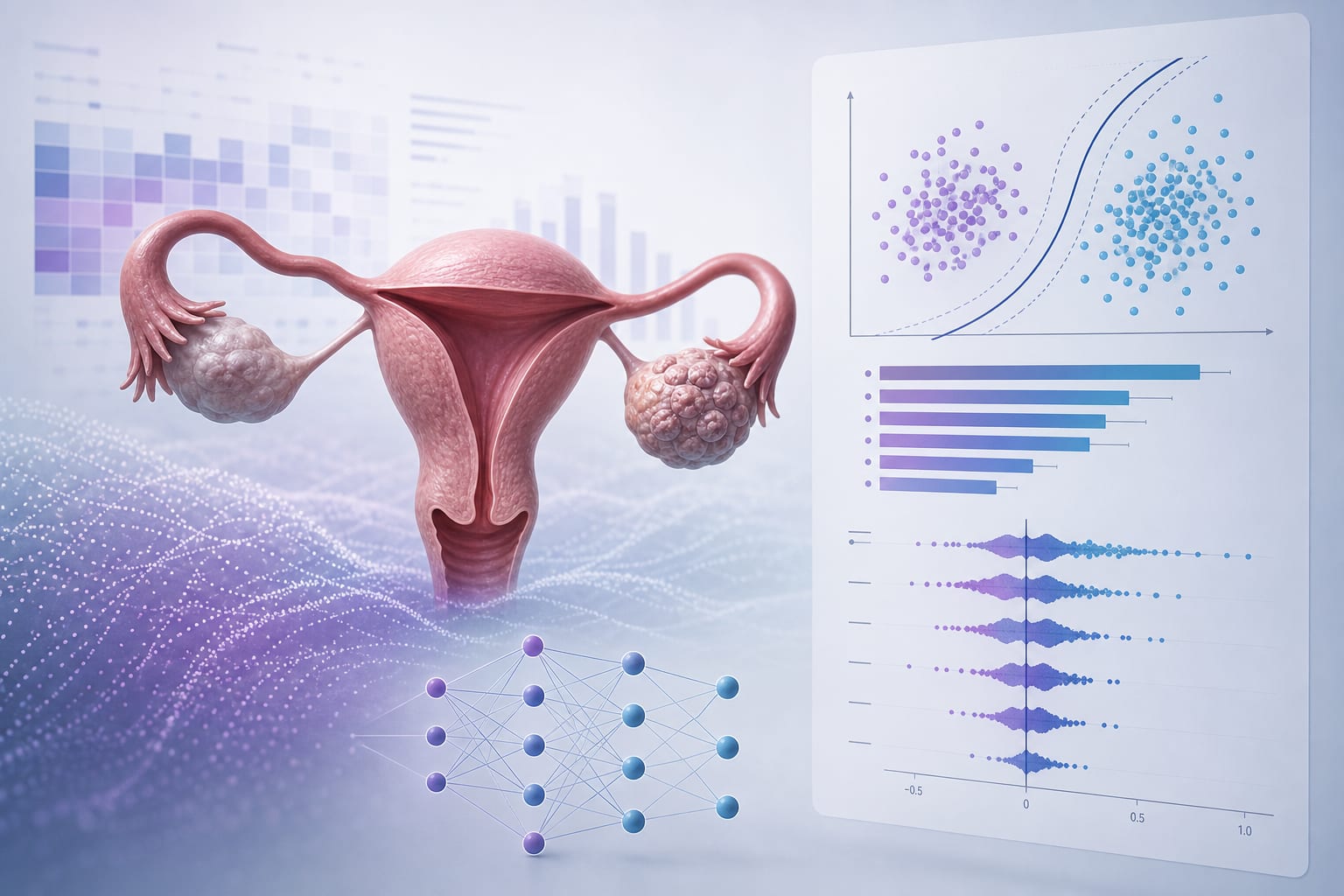
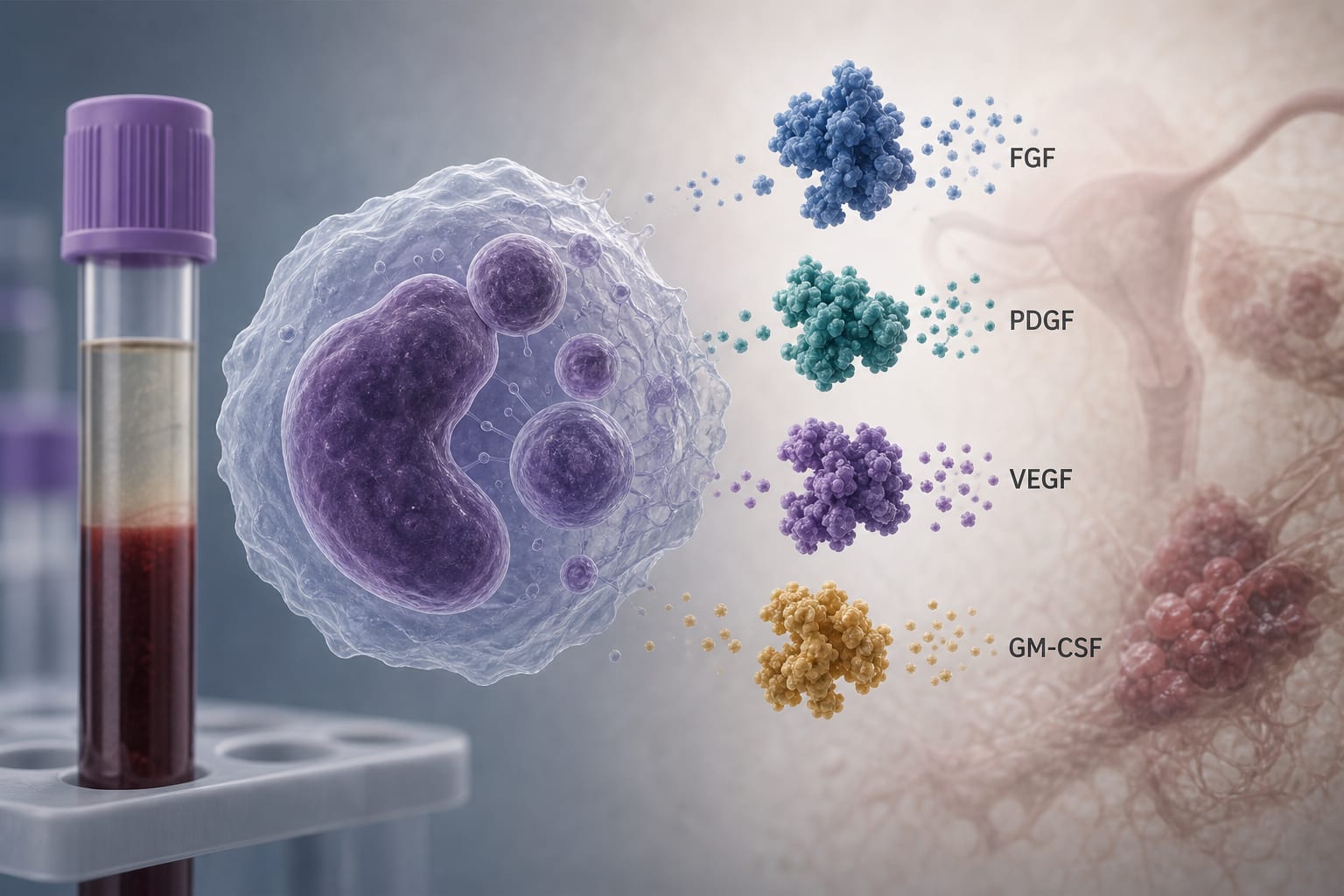
This study investigates the association between maternal exposure to polycyclic aromatic hydrocarbons (PAHs) during pregnancy and immune-inflammatory markers in a cohort of 2581 pregnant women. Key findings indicate that specific PAH metabolites correlate with various immune-inflammatory indices, suggesting potential implications for maternal and fetal health.

Background

Polycyclic aromatic hydrocarbons (PAHs) are known endocrine disruptors and are primarily emitted through air pollution and fuel combustion. Understanding the impact of PAH exposure during pregnancy is crucial, as it may influence maternal immune function and overall pregnancy outcomes. The immune system's regulation is vital for a healthy pregnancy, and environmental pollutants like PAHs may disrupt this balance.

Data Highlights

PAH MetaboliteCorrelation with WBC CountCorrelation with SIICorrelation with AISICorrelation with NLRCorrelation with PLR
1-HydroxynaphthaleneNegativePositiveNegativeNegativePositive
2-HydroxynaphthaleneNegativePositiveNegativeNegativePositive
2-HydroxyfluoreneNegativePositiveNegativeNegativePositive
9-HydroxyphenanthreneNegativePositiveNegativeNegativePositive

Key Findings

  • 1-Hydroxynaphthalene and 2-Hydroxynaphthalene are negatively correlated with white blood cell count.
  • PAH metabolites are positively correlated with the systemic immune inflammation index (SII).
  • Negative correlations were observed between PAH metabolites and the neutrophil to lymphocyte ratio (NLR).
  • 9-Hydroxyphenanthrene and other metabolites were identified as key drivers of immune-inflammatory alterations.
  • Bayesian kernel machine regression indicated non-linear associations between PAH metabolites and immune indices.

Clinical Implications

The findings suggest that monitoring and potentially limiting maternal exposure to PAHs during pregnancy may be important for maintaining healthy immune function. Clinicians should be aware of environmental factors that could impact maternal and fetal health.

Conclusion

This study highlights the association between maternal PAH exposure and immune-inflammatory markers, emphasizing the need for further research on environmental health impacts during pregnancy.

Related Resources & Content

  1. American Journal of Epidemiology, 2023 -- Impact of Prenatal Exposure to Polybrominated Diphenyl Ethers on Urinary Biomarkers of Oxidative Stress in the Chemicals in Our Bodies Study
  2. The Journal of Clinical Endocrinology & Metabolism, 2023 -- Maternal Beta Cell Function and Prenatal Levels of Perfluoroalkyl Substances: A 7 to 9 Year Follow-Up Study
  3. The Journal of Clinical Endocrinology & Metabolism, 2023 -- Linking Pregnancy Complications to Long-term Cardiometabolic Health Outcomes in Mothers: Insights from the MIREC Cohort Study
  4. FIGO committee opinion: Environmental drivers of obstetric health and early childhood development - PubMed
  5. Frontiers | Association between Maternal PAH Exposure and Immune-Inflammatory Indices during Pregnancy
  6. The Journal of Clinical Endocrinology & Metabolism — Associations Between Early Pregnancy Exposure to Per- and Polyfluoroalkyl Substances (PFAS) and Maternal Adiposity in Midlife
  7. Personal exposure to polycyclic aromatic hydrocarbons-bound particulate matter during pregnancy and umbilical inflammation and oxidative stress
  8. Recent clinical/epidemiologic data on PAHs and immune‑inflammatory biology in pregnancy
  9. FIGO committee opinion: Environmental drivers of obstetric health and early childhood development - PubMed
  10. Personal exposure to air pollutants and immune system biomarkers in pregnant women | Scientific Reports
  11. Ambient exposure to fine particulate matter with oxidative potential affects oxidative stress biomarkers in pregnancy | American Journal of Epidemiology | Oxford Academic

Original Source(s)

Related Content