Internet of things-based pulmonary rehabilitation for moderate-to-severe chronic obstructive pulmonary disease: a prospective non-randomized controlled intervention study protocol - Report - MDSpire
Advertisement
Internet of things-based pulmonary rehabilitation for moderate-to-severe chronic obstructive pulmonary disease: a prospective non-randomized controlled intervention study protocol
Clinical Report: Utilizing IoT Technology for Pulmonary Rehabilitation in COPD
Overview
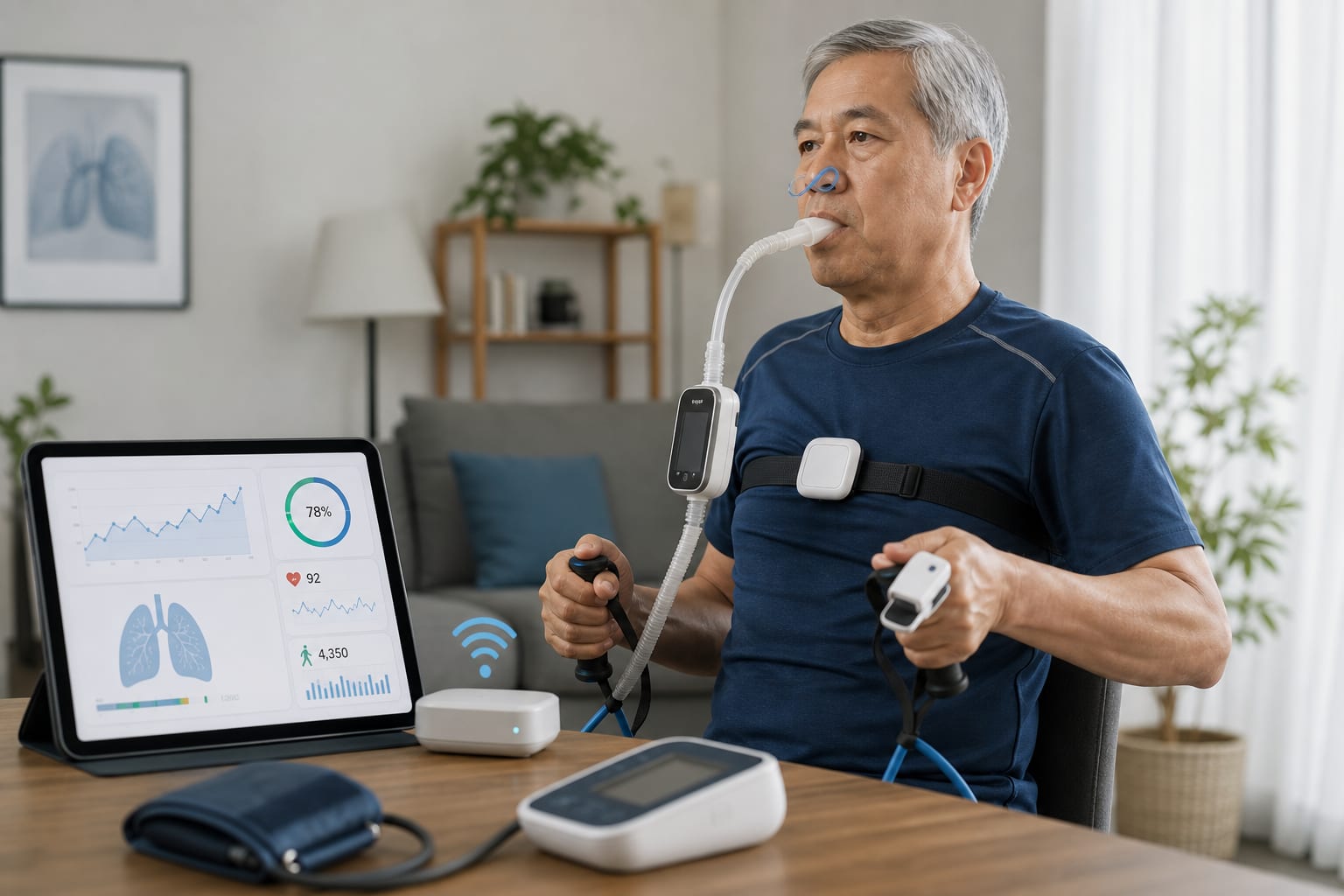
This study protocol outlines a prospective non-randomized controlled intervention aimed at evaluating the effectiveness of Internet of Things (IoT) technology in enhancing pulmonary rehabilitation (PR) for patients with moderate-to-severe chronic obstructive pulmonary disease (COPD). The intervention seeks to improve adherence and clinical outcomes by integrating IoT devices for home-based rehabilitation.
Background
Chronic obstructive pulmonary disease (COPD) is a significant global health issue characterized by persistent respiratory symptoms and airflow limitation, leading to increased morbidity and healthcare costs. Pulmonary rehabilitation is a critical non-pharmacological intervention that can improve patient outcomes, yet adherence remains a challenge, particularly in home settings. The integration of IoT technology may address these challenges by providing real-time monitoring and personalized support.
Data Highlights
This study will enroll 588 patients with moderate-to-severe stable COPD, comparing conventional PR with IoT-assisted PR over a 12-month period.
Key Findings
The primary outcome is the rate of moderate-to-severe acute exacerbations of COPD (AECOPD) over 12 months.
Secondary outcomes include pulmonary function, exercise capacity, health-related quality of life (HRQoL), and adherence rates.
Participants in the IoT-assisted group will utilize devices and a smartphone app for daily training sessions.
Follow-up assessments will occur at weeks 4, 12, 26, and 52.
This study aims to evaluate the feasibility and safety of IoT in a real-world setting for COPD management.
Clinical Implications
The findings from this study could inform the development of technology-enabled continuous care models for COPD, potentially enhancing patient engagement and adherence to rehabilitation programs. This may facilitate a shift towards more patient-centric care approaches in chronic respiratory disease management.
Conclusion
The integration of IoT technology in pulmonary rehabilitation for COPD patients may significantly improve adherence and clinical outcomes, addressing longstanding challenges in traditional rehabilitation models.