Diagnostic performance of three-dimensional high-resolution anorectal manometry in identifying descending perineal syndrome - Report - MDSpire

Diagnostic performance of three-dimensional high-resolution anorectal manometry in identifying descending perineal syndrome

  • By

  • Hua Chu

  • You Wang

  • Chunrong Ma

  • Lijun Du

  • June 9, 2026

  • 0 min

Share

Clinical Report: Evaluating the Diagnostic Efficacy of 3DHRAM for DPS

Overview

{'add': 'Specify which parameters indicate moderate sensitivity and specificity.'}

Background

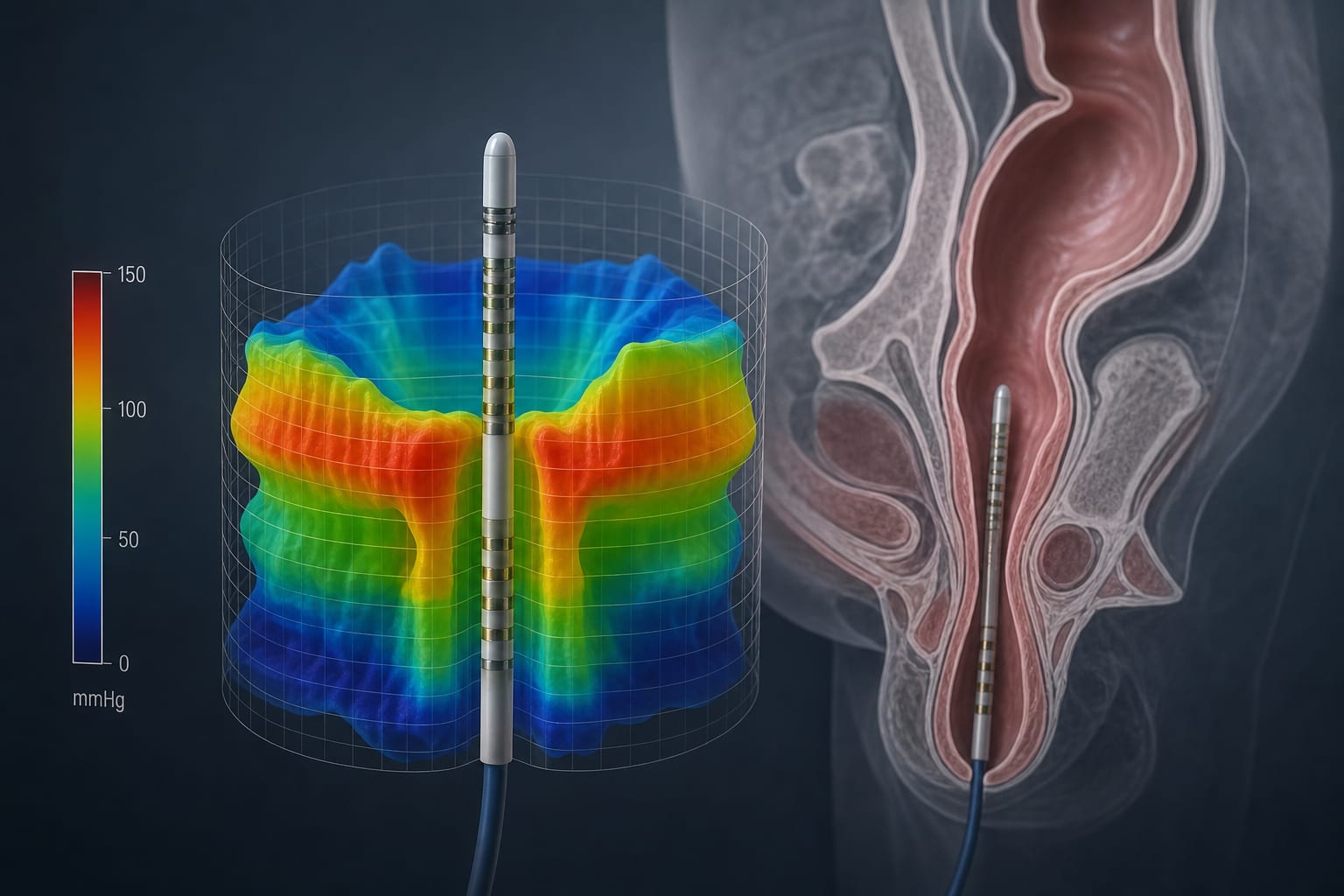
Pelvic floor disorders, including descending perineal syndrome (DPS), significantly impact patient quality of life and healthcare costs. Accurate diagnosis is crucial, yet current diagnostic methods like conventional defecography and MR-defecography have limitations, including exposure to radiation and accessibility issues. The introduction of 3DHRAM offers a potential alternative for evaluating these disorders.

Data Highlights

{'format': 'Ensure table is correctly formatted.'}

Key Findings

{'add': 'Include odds ratio and confidence interval for combined parameters.'}

Clinical Implications

{'expand': 'Discuss integration of 3DHRAM into diagnostic protocols.'}
Conclusion

{'expand': 'Clarify future research directions.'}

Related Resources & Content

  1. Author(s)/Org, Source, Year -- Title
  2. Author(s)/Org, Source, Year -- Title
  3. Author(s)/Org, Source, Year -- Title
  4. Author(s)/Org, Source, Year -- Title
  5. The American Society of Colon and Rectal Surgeons Clinical Practice Guidelines for the Evaluation and Management of Chronic Constipation - PubMed
  6. 2024 ASCRS Constipation Guidelines
  7. Magnetic Resonance Defecography Study
  8. Checking your browser - reCAPTCHA

Original Source(s)

Related Content