Understanding stroke caregiving in rural contexts: a qualitative study of family caregivers’ cultural values, coping behaviors, and technology use - Report - MDSpire
Advertisement
Understanding stroke caregiving in rural contexts: a qualitative study of family caregivers’ cultural values, coping behaviors, and technology use
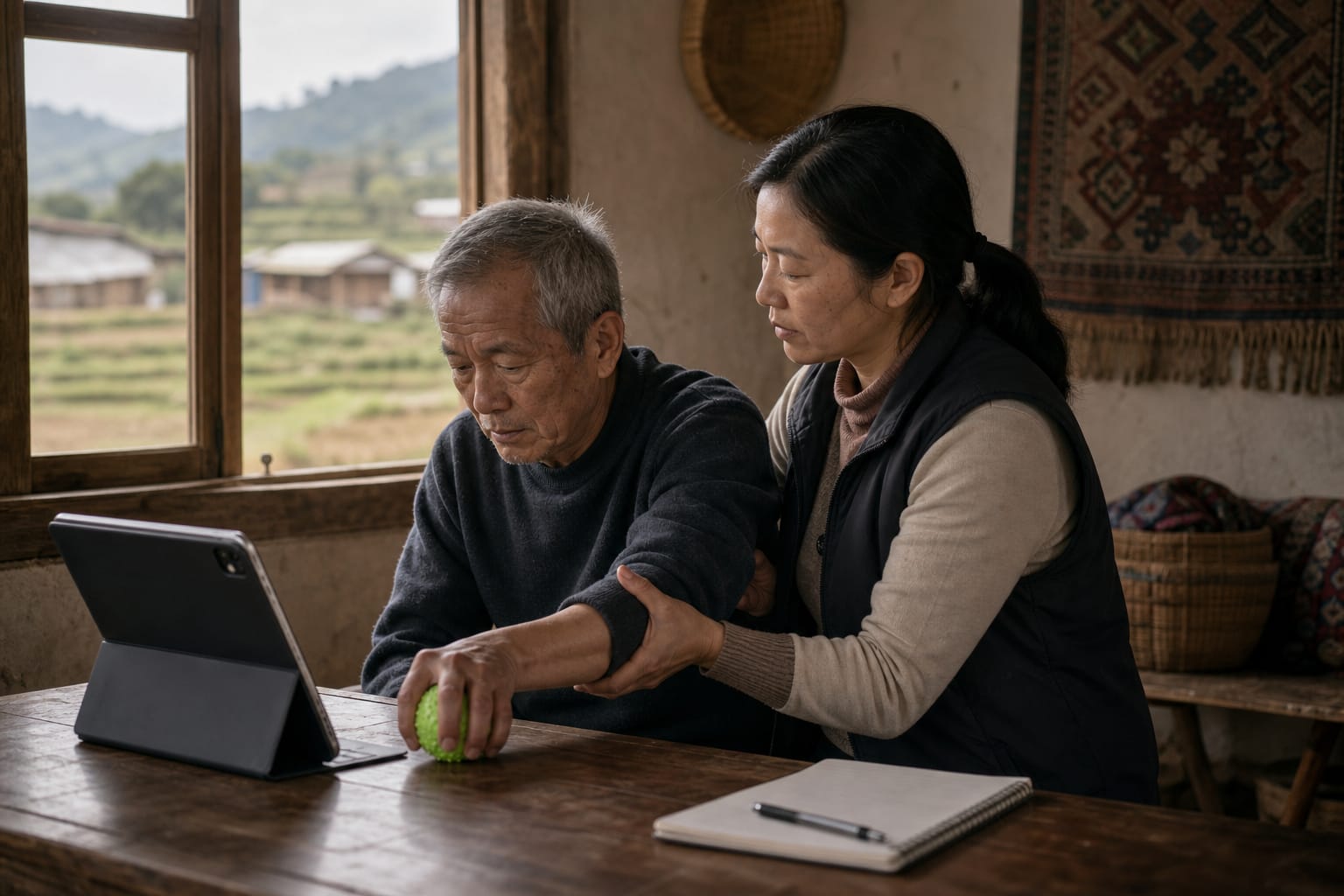
Clinical Report: Exploring Family Caregiving for Stroke Patients in Rural Areas
Overview
This qualitative study examines the experiences of rural family caregivers for stroke patients, highlighting cultural values, coping strategies, and technology utilization. Key findings reveal significant barriers to formal support and the reliance on informal learning resources.
Background
Stroke is a major cause of long-term disability, with family caregivers playing a crucial role in the recovery process. In rural areas, caregivers face unique challenges, including limited access to formal services and training. Understanding their experiences can inform interventions that enhance caregiver support and improve patient outcomes.
Data Highlights
No numerical data was provided in the article.
Key Findings
Caregiving is viewed as a moral obligation influenced by cultural values.
Barriers to health services include cost, insurance limitations, and transportation challenges.
Caregivers often rely on informal learning through platforms like YouTube and social media.
Emotional resilience is fostered through family support and coping strategies.
There is a need for practical discharge training and accessible follow-up support for caregivers.
Clinical Implications
Healthcare providers should recognize the critical role of family caregivers in stroke recovery and address the barriers they face. Implementing culturally informed, technology-enabled interventions can enhance caregiver well-being and support patient recovery.
Conclusion
The study underscores the importance of understanding the cultural and structural factors influencing caregiving in rural settings. Tailored interventions are essential to support caregivers and improve outcomes for stroke patients.