Clinical Report: Exploiting Vδ1+ T Cells for Advanced Immunotherapy
Overview
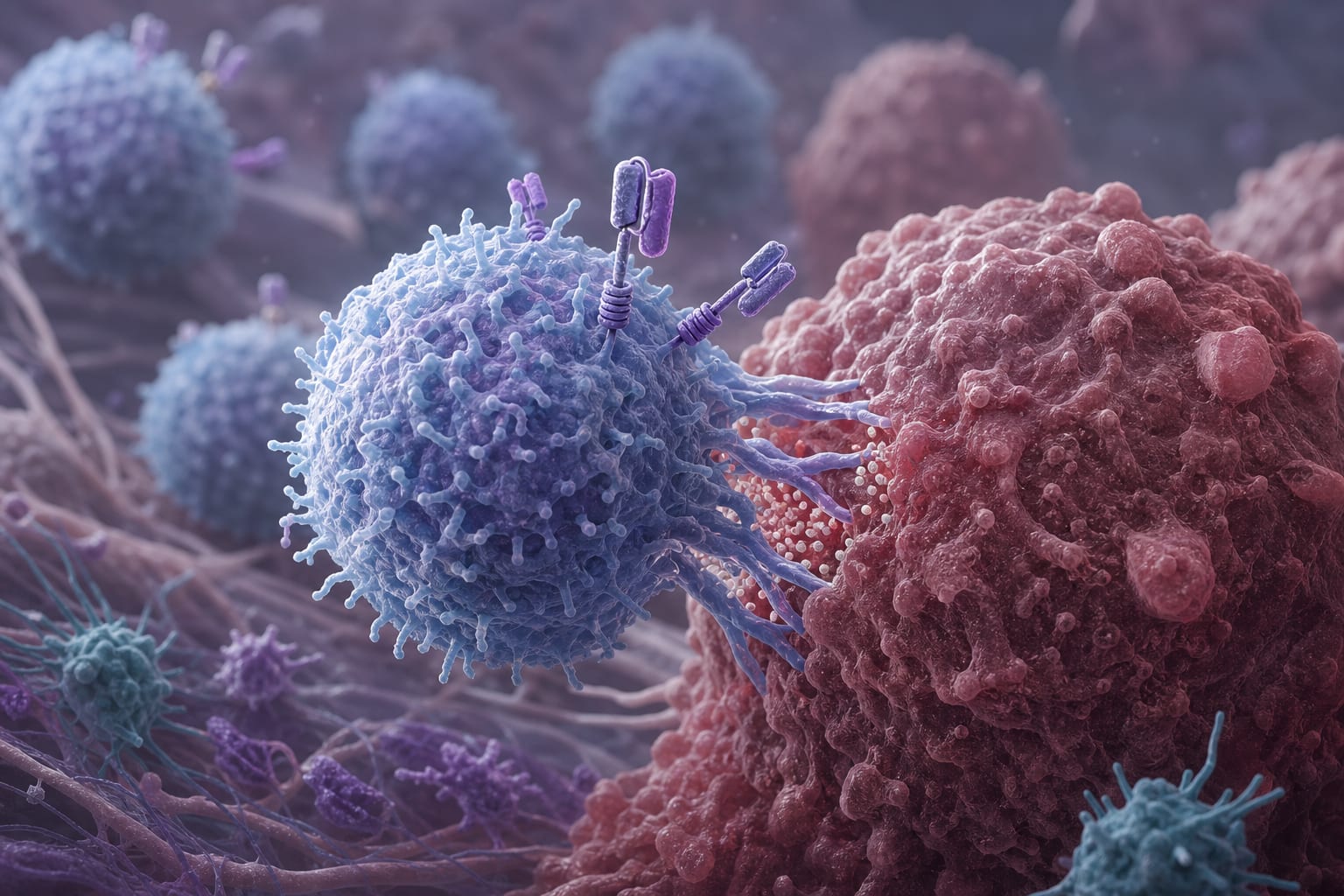
Vδ1+ T cells demonstrate MHC-unrestricted recognition, making them viable candidates for immunotherapy. Their ability to infiltrate tumors and adapt to the tumor microenvironment presents significant therapeutic potential, although challenges in clinical translation remain.
Background
The effectiveness of tumor immunotherapy is often limited by the immune system's inability to distinguish between tumor and normal cells, as well as the suppressive tumor microenvironment. Vδ1+ T cells, with their unique MHC-independent recognition capabilities, offer a promising alternative to conventional therapies. Understanding their mechanisms and interactions within the tumor microenvironment is crucial for advancing immunotherapeutic strategies.
Data Highlights
No numerical data available in the source material.
Key Findings
Vδ1+ T cells can recognize targets without the need for MHC, allowing them to bypass common immune escape mechanisms.
These cells have a natural propensity to migrate towards tumor sites, particularly in epithelial-derived tumors.
Genetically engineered Vδ1+ T cells show comparable anti-tumor efficacy to αβ T cells while producing lower levels of cytokines, potentially reducing the risk of cytokine release syndrome.
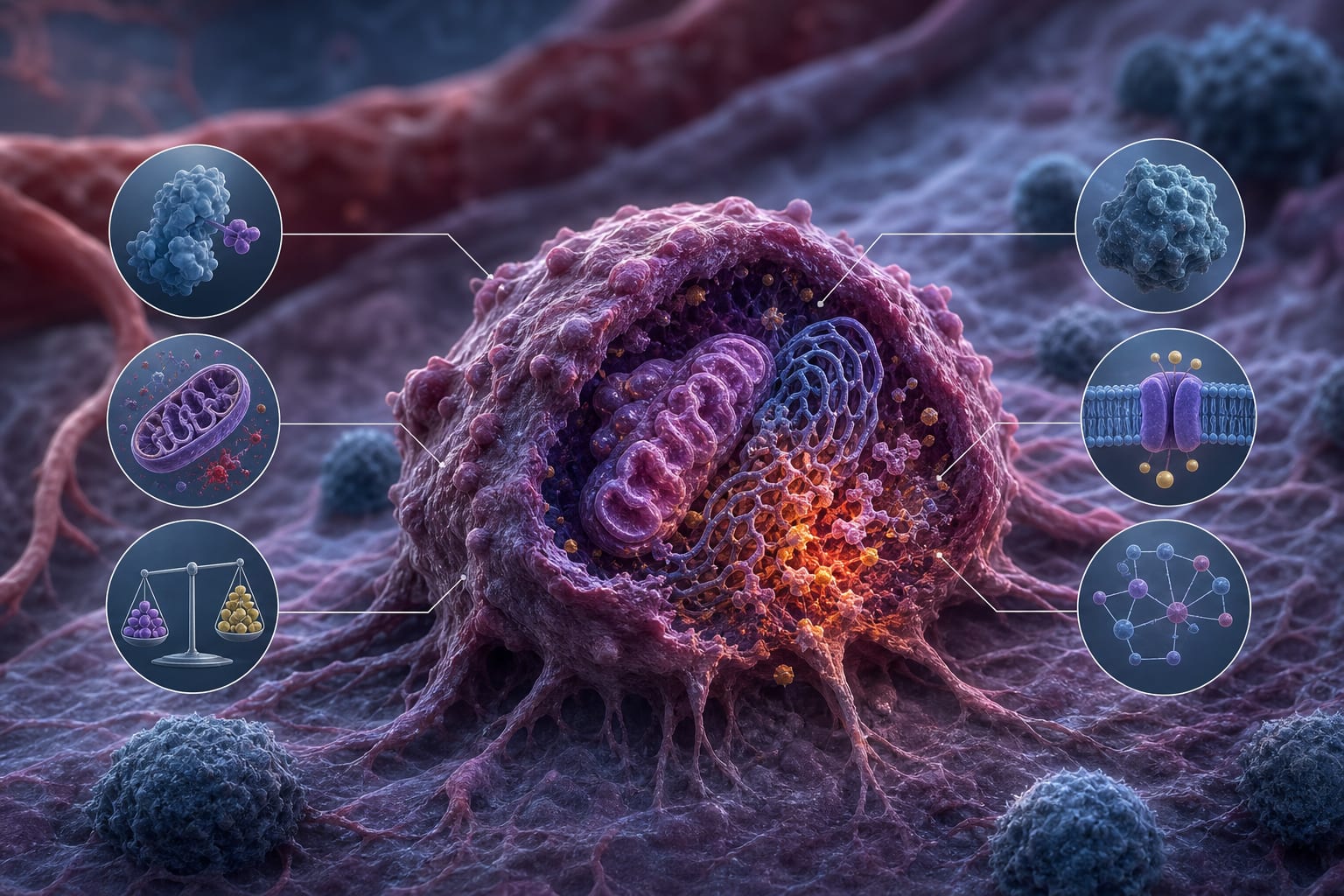
Vδ1+ T cells integrate TCR-mediated responses with NK cell signaling pathways, enhancing tumor targeting specificity.
Challenges in clinical application include product standardization and the complexity of tumor microenvironments.
Clinical Implications
The unique properties of Vδ1+ T cells suggest they could be developed into effective immunotherapeutic agents for various malignancies. However, addressing the challenges related to their clinical application is essential for successful translation into practice.
Conclusion
Vδ1+ T cells represent a promising avenue for cancer immunotherapy, with their MHC-unrestricted recognition and adaptability to the tumor microenvironment. Continued research is necessary to overcome existing clinical challenges.