Clinical Report: The Pathophysiological Triad of Acute Kidney Injury
Overview
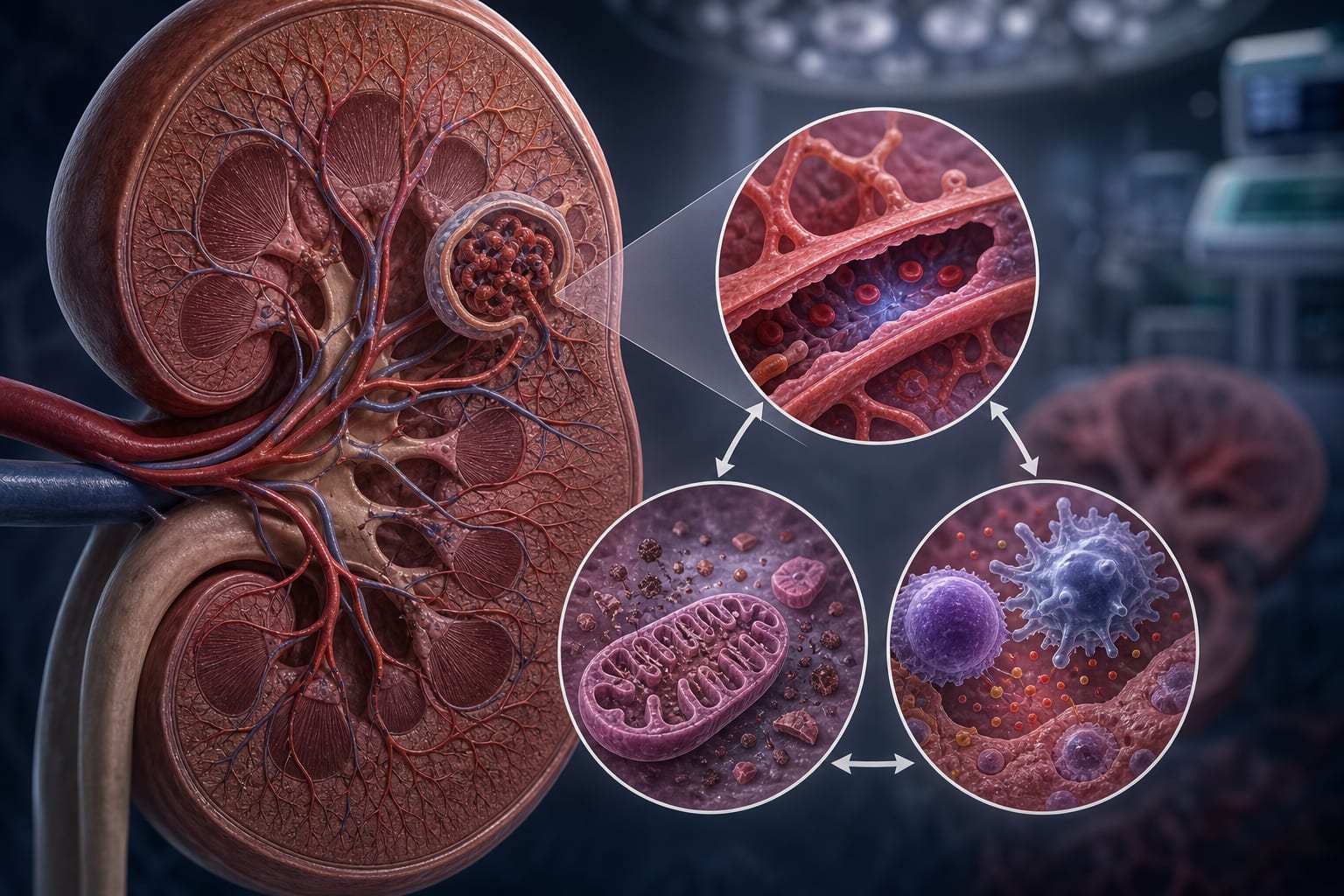
Expand on the 'novel pathological triangle model' by briefly explaining its components: renal microcirculatory hypoxia, mitochondrial dysfunction, and immuno-metabolic alterations.
Background
Perioperative AKI is a significant complication that can lead to increased mortality and prolonged hospital stays following surgery. Traditional models focusing solely on systemic hemodynamics are inadequate, as they fail to account for local microcirculatory and metabolic disturbances that contribute to AKI. Understanding these mechanisms is crucial for improving patient outcomes and developing targeted interventions.
Data Highlights
Remove HTML tags and state that no numerical data is available in the source material.
Key Findings
Rephrase findings for clarity and ensure they are directly supported by the source material.
Clinical Implications
Clinicians should consider a multidimensional approach to assess renal microcirculation and tissue oxygenation in high-risk surgical patients. Implementing targeted interventions based on the identified AKI phenotype may improve outcomes and reduce the incidence of severe AKI.
Conclusion
A comprehensive understanding of the pathophysiological mechanisms underlying perioperative AKI is essential for developing effective prevention and treatment strategies. The proposed model offers a framework for future research and clinical practice.
Qualitative interviews identified four themes involving emergency challenges and response, teamwork, psychological stress and coping, and professional growth needs in trauma surgery.