Effects of ciprofol versus propofol sedation on hypoxaemia and hypotension in elderly patients undergoing bidirectional endoscopy: protocol for a randomized controlled trial - Report - MDSpire
Advertisement
Effects of ciprofol versus propofol sedation on hypoxaemia and hypotension in elderly patients undergoing bidirectional endoscopy: protocol for a randomized controlled trial
Comparative Study of Ciprofol and Propofol Sedation in Elderly Patients
Overview
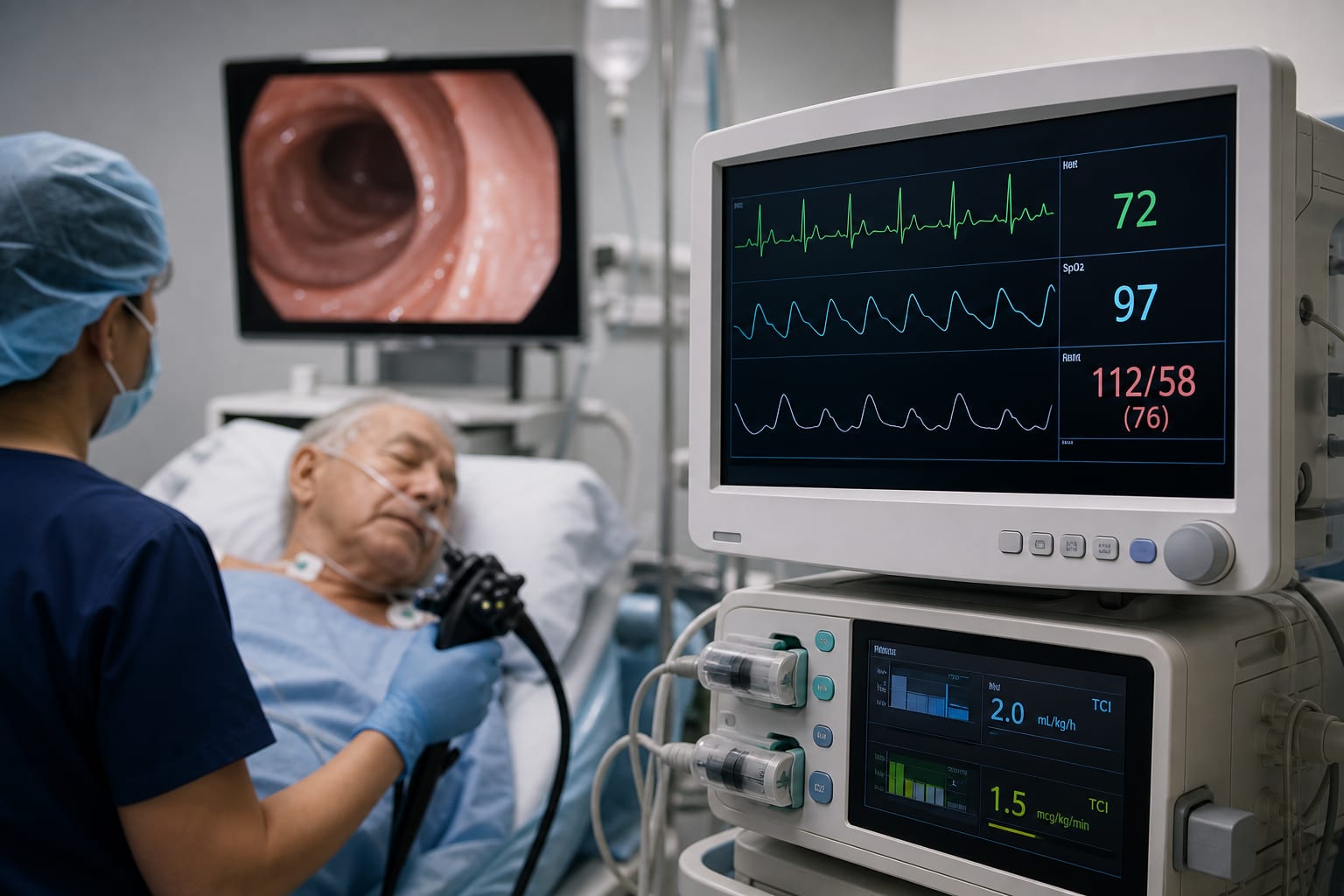
This study protocol outlines a randomized controlled trial comparing ciprofol and propofol sedation in elderly patients undergoing gastrointestinal endoscopy. The primary focus is on the incidence of hypoxaemia and hypotension, with the aim of determining if ciprofol offers improved cardiorespiratory stability.
Background
Elderly patients are at heightened risk for respiratory and hemodynamic instability during sedation for gastrointestinal endoscopy. Propofol is commonly used but is associated with significant adverse events such as hypoxaemia and hypotension. Ciprofol, a newer sedative, may provide comparable efficacy with potentially fewer complications, making this comparison clinically relevant.
Data Highlights
This study will enroll 184 patients aged ≥65 years, comparing the incidence of hypoxaemia and hypotension between ciprofol and propofol during sedation.
Key Findings
The primary outcome is the composite incidence of hypoxaemia and hypotension during sedation.
Ciprofol may have a sedative potency 4-5 times greater than propofol.
Previous studies indicate ciprofol may reduce the incidence of respiratory depression and hypotension compared to propofol.
High-quality evidence regarding ciprofol's safety in elderly patients is currently lacking.
Monitoring guidelines emphasize the importance of vigilance in older adults undergoing sedation.
Clinical Implications
The findings from this trial could influence sedation practices in elderly patients, potentially leading to safer sedation protocols. If ciprofol proves to be safer, it may become the preferred agent for sedation in this vulnerable population.
Conclusion
This trial aims to provide critical evidence on the safety and efficacy of ciprofol compared to propofol in elderly patients undergoing gastrointestinal endoscopy, addressing a significant gap in current clinical knowledge.