Clinical Report: Evaluating a Six-Year Quality Report on a Real-World Exercise Therapy Initiative for Pediatric Oncology Patients
Overview
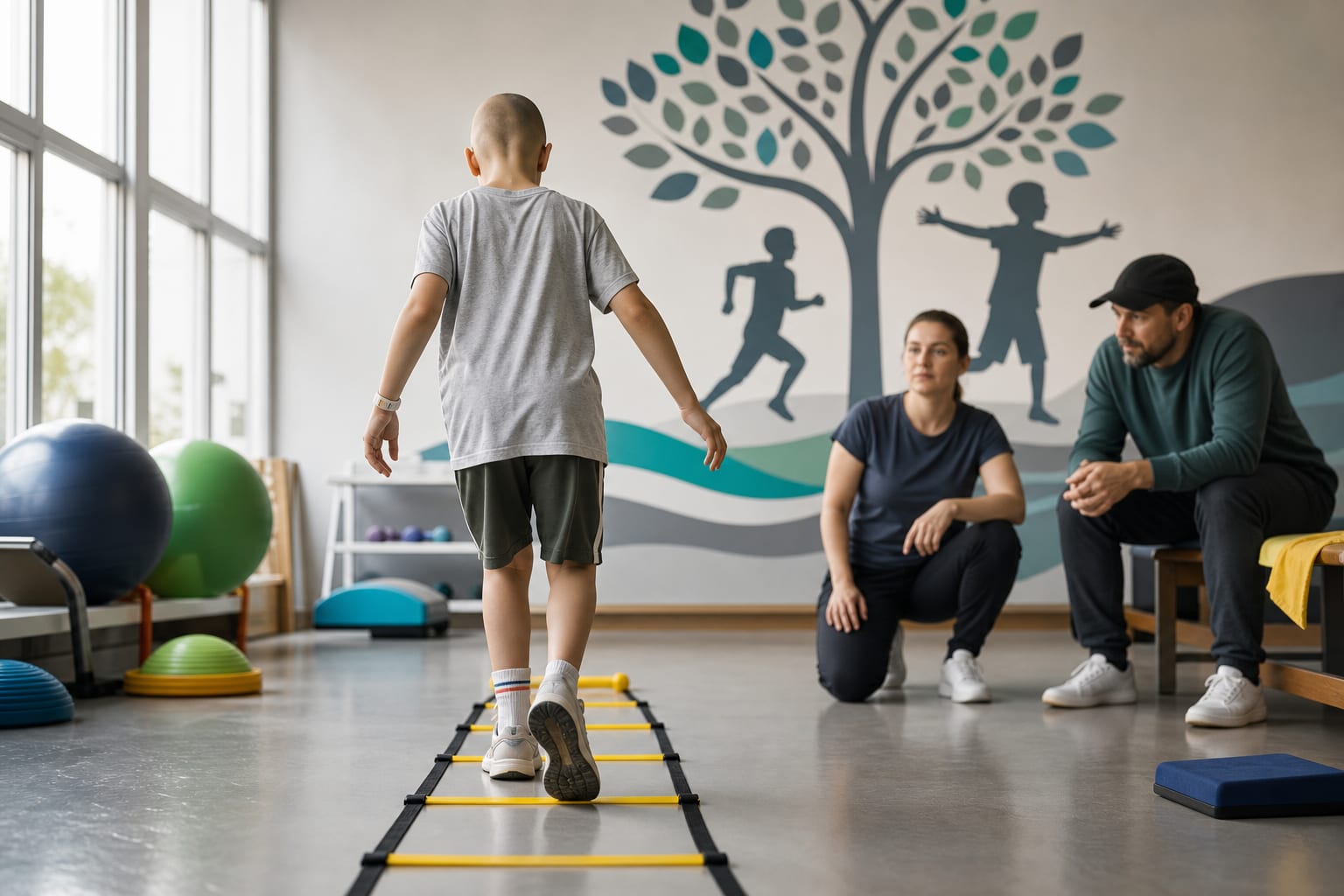
The 'Heroes in Motion' program has successfully implemented exercise therapy for pediatric oncology patients over six years, demonstrating high patient and parent satisfaction. The initiative highlights the importance of individualized care and family involvement in promoting bio-psycho-social health.
Background
With pediatric cancer survival rates exceeding 80%, there is a growing need for supportive interventions that enhance the quality of life for survivors. Exercise therapy is recognized as a vital component of tertiary prevention, addressing both physical and mental health challenges faced by patients and their families. The HIM program aims to integrate structured exercise into routine care, fostering an active lifestyle among pediatric oncology patients.
Data Highlights
Year
Inpatient Sessions
Outpatient Sessions
Patient Satisfaction
2020
3,860
813
74%
2025
-
-
81%
Key Findings
A total of 457 patients aged 1-24 years participated in the HIM program over six years.
High patient satisfaction rates were reported, with 74% in 2020 and 81% in 2025 indicating they were very satisfied.
Family involvement increased following the introduction of a family-centered outpatient exercise program in 2023.
Participants expressed a consistent demand for more frequent exercise sessions and improved facilities.
Individualized care and perceived bio-psycho-social benefits were highlighted as key aspects of the program.
Clinical Implications
The HIM program demonstrates the feasibility and acceptance of exercise therapy in pediatric oncology settings. Clinicians should consider integrating structured exercise interventions into routine care to support the overall health and well-being of pediatric cancer patients and their families.
Conclusion
The HIM program's successful implementation and positive feedback underscore the value of exercise therapy in pediatric oncology. Continued development and family involvement are essential for enhancing the program's impact.