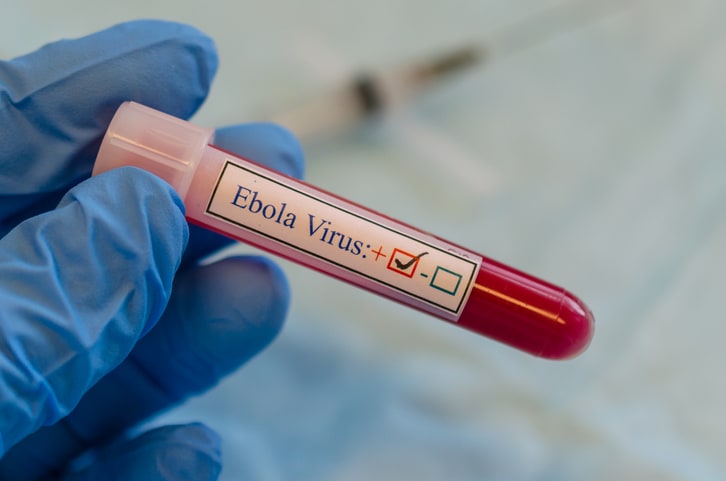
As vaccine technologies continue to expand, David Hage explores how analytical methods must evolve to meet growing demands for safety, quality, and activity testing
Revise to include specific examples of how high-performance immunoaffinity chromatography improves vaccine analysis.
Background
The characterization of vaccines is critical for ensuring their safety and efficacy, especially as new vaccines are developed for various diseases. Traditional methods often focus solely on antigen quantity, neglecting other important factors such as biological activity and immunological response. The integration of advanced analytical techniques is essential to meet regulatory requirements and enhance vaccine development.
Data Highlights
Change wording to indicate the absence of numerical or trial data while acknowledging qualitative insights.
Key Findings
Rephrase findings for clarity and ensure they are directly supported by the source material.
Clinical Implications
Healthcare professionals should be aware of the limitations of traditional vaccine analysis methods and consider adopting newer techniques like immunoaffinity chromatography. Understanding the full spectrum of vaccine characteristics, including potency and biological activity, is crucial for informed decision-making in vaccine administration and development.
Conclusion
As vaccine technology advances, the analytical methods used for their evaluation must also evolve. Emphasizing comprehensive characterization will support the development of safer and more effective vaccines.