Clinical Report: Assessment of Early Risk Factors in Trousseau Syndrome
Overview
This study identifies early risk factors and biomarker trends associated with Trousseau syndrome-related cerebral infarction (TSCI) in lung cancer patients. A five-variable model demonstrated good discrimination for predicting high-risk TSCI, highlighting the need for early risk stratification.
Background
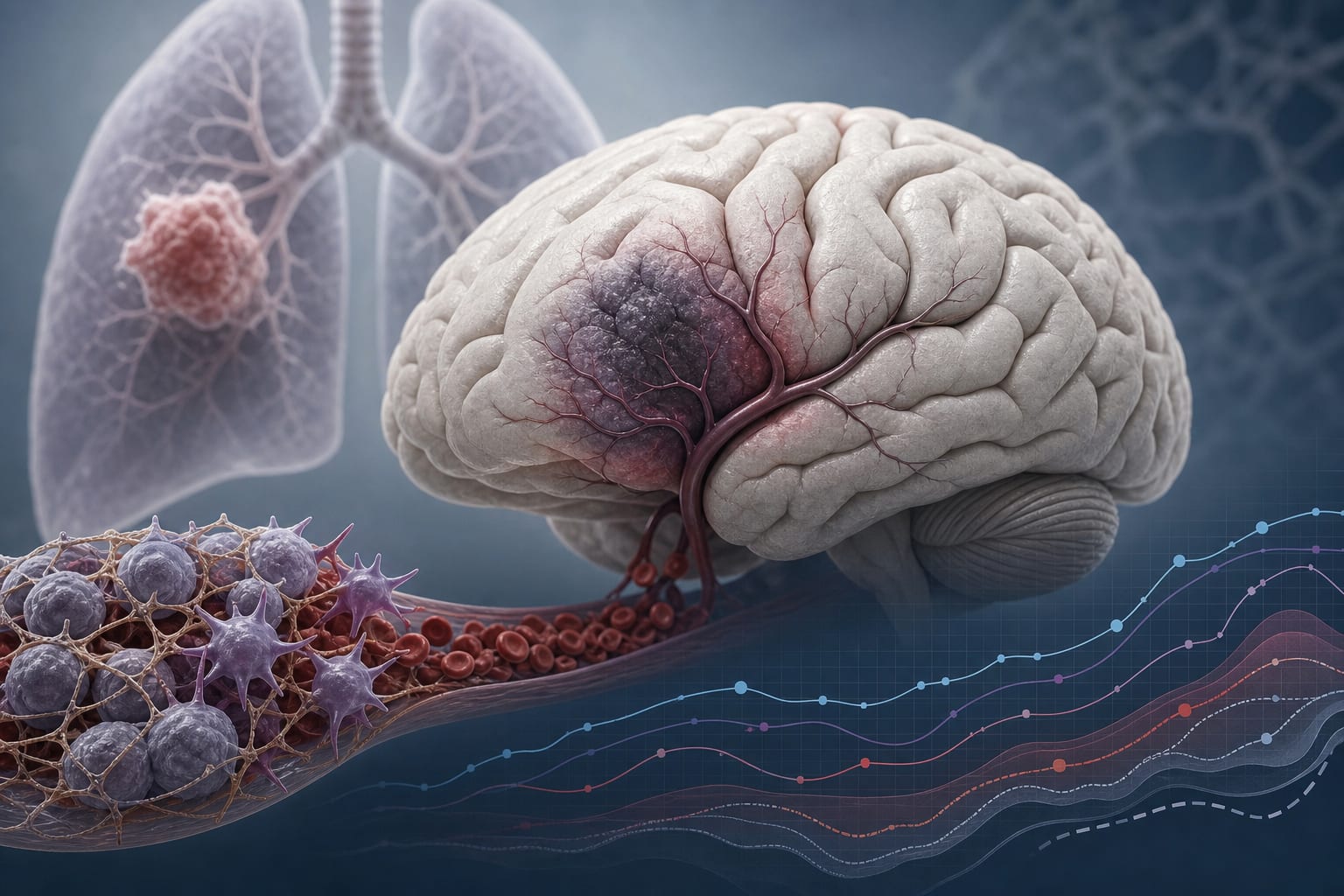
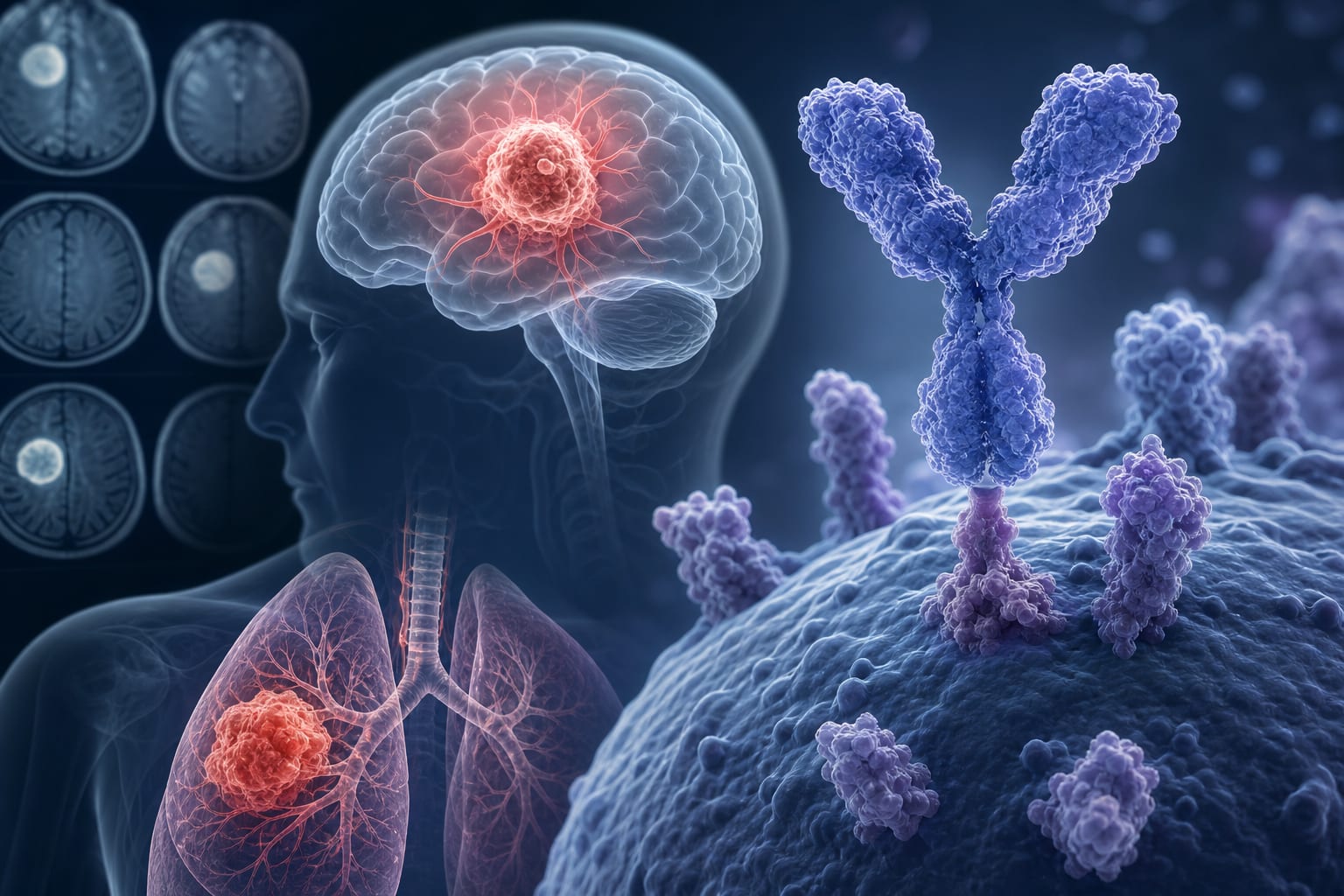
Trousseau syndrome is a significant complication of lung cancer, leading to cerebral infarction and associated with high morbidity and mortality. Understanding early risk factors and biomarker trends is crucial for timely intervention and management of this condition, which remains underrecognized in oncology practice.
Data Highlights
Variable
Value
AUC
0.861
Key Findings
The five-variable model includes serum magnesium, international normalized ratio, prothrombin time, albumin-to-globulin ratio, and history of hypertension.
Fulminant TSCI exhibited significant abnormalities in coagulation, inflammatory, tumor-burden, and nutritional domains.
Early-onset TSCI was linked to higher levels of Ki67, neuron-specific enolase, and lactate dehydrogenase.
Late-onset TSCI was associated with increased triglyceride levels.
The model showed good sample-specific calibration within the case-control sample.
Clinical Implications
The identification of specific clinical variables can aid in the early risk stratification of lung cancer patients at risk for TSCI. Implementing this model may enhance clinical surveillance and management strategies for affected patients.
Conclusion
The study provides a framework for early identification of high-risk TSCI in lung cancer patients, emphasizing the importance of routine clinical assessments. Further validation in prospective cohorts is necessary to confirm these findings.