Theaflavins Mitigate Oxidative and Inflammatory Damage Induced by Free Fatty Acids
Overview
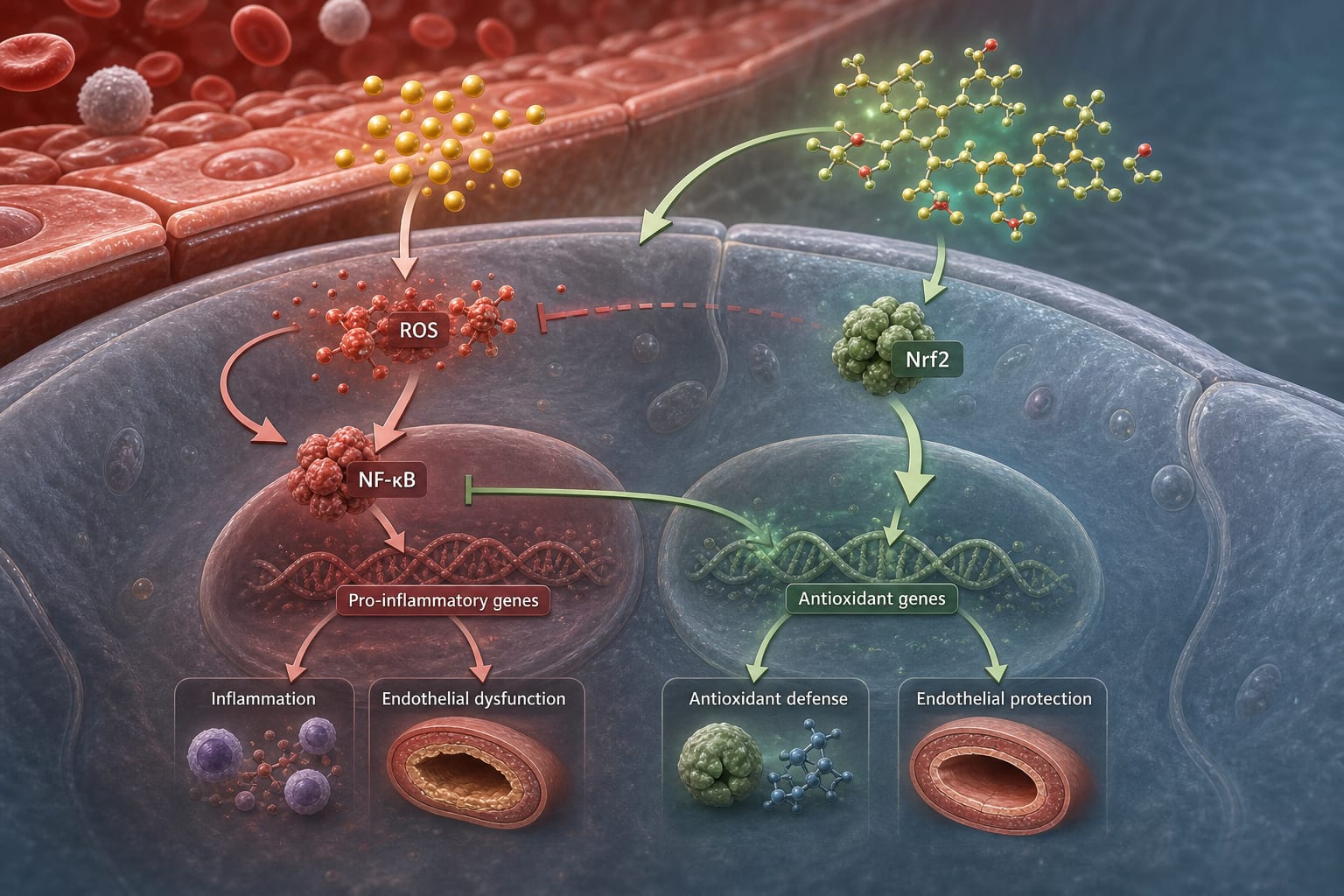
Theaflavins (TFs) significantly reduce oxidative stress and inflammation caused by free fatty acids (FFAs) in endothelial cells and hepatocytes, with TF1 showing the most potent effects. This protective mechanism involves the Nrf2-NF-κB pathway, enhancing antioxidant responses while suppressing inflammatory signaling.
Background
Chronic elevation of circulating FFAs is a major contributor to metabolic and cardiovascular diseases, leading to endothelial dysfunction and lipotoxic injury. Understanding the protective effects of dietary compounds like theaflavins could provide insights into potential therapeutic strategies for managing these conditions.
Data Highlights
Theaflavin Subtype
Effect on ROS
Effect on Lipid Peroxidation
Effect on Inflammatory Mediators
TF1
Significant reduction
Significant reduction
Significant reduction
TF2A
Moderate reduction
Moderate reduction
Moderate reduction
TF2B
Moderate reduction
Moderate reduction
Moderate reduction
TFDG
Moderate reduction
Moderate reduction
Moderate reduction
Key Findings
All TF subtypes reduced FFA-induced ROS overproduction and lipid peroxidation.
TF1 exhibited the strongest cytoprotective effects among the four subtypes.
Silencing Nrf2 diminished the protective effects of TF1, highlighting its critical role.
TFs restored cellular redox homeostasis through both direct scavenging and enhancing endogenous defenses.
Clinical Implications
The findings suggest that theaflavins, particularly TF1, may serve as a dietary intervention to mitigate oxidative and inflammatory damage in conditions associated with elevated FFAs. Incorporating these compounds into clinical practice could enhance endothelial function and reduce cardiovascular risk.
Conclusion
Theaflavins represent a promising natural approach to counteract FFA-induced endothelial dysfunction, with TF1 emerging as a key agent through its modulation of the Nrf2-NF-κB pathway.
Qualitative interviews identified four themes involving emergency challenges and response, teamwork, psychological stress and coping, and professional growth needs in trauma surgery.