Changes in ambient environmental conditions correspond to variations in in vitro fertilization outcomes during the COVID-19 pandemic - Report - MDSpire
Advertisement
Changes in ambient environmental conditions correspond to variations in in vitro fertilization outcomes during the COVID-19 pandemic
Clinical Report: Impact of Environmental Factors on IVF Success Rates During COVID-19
Overview
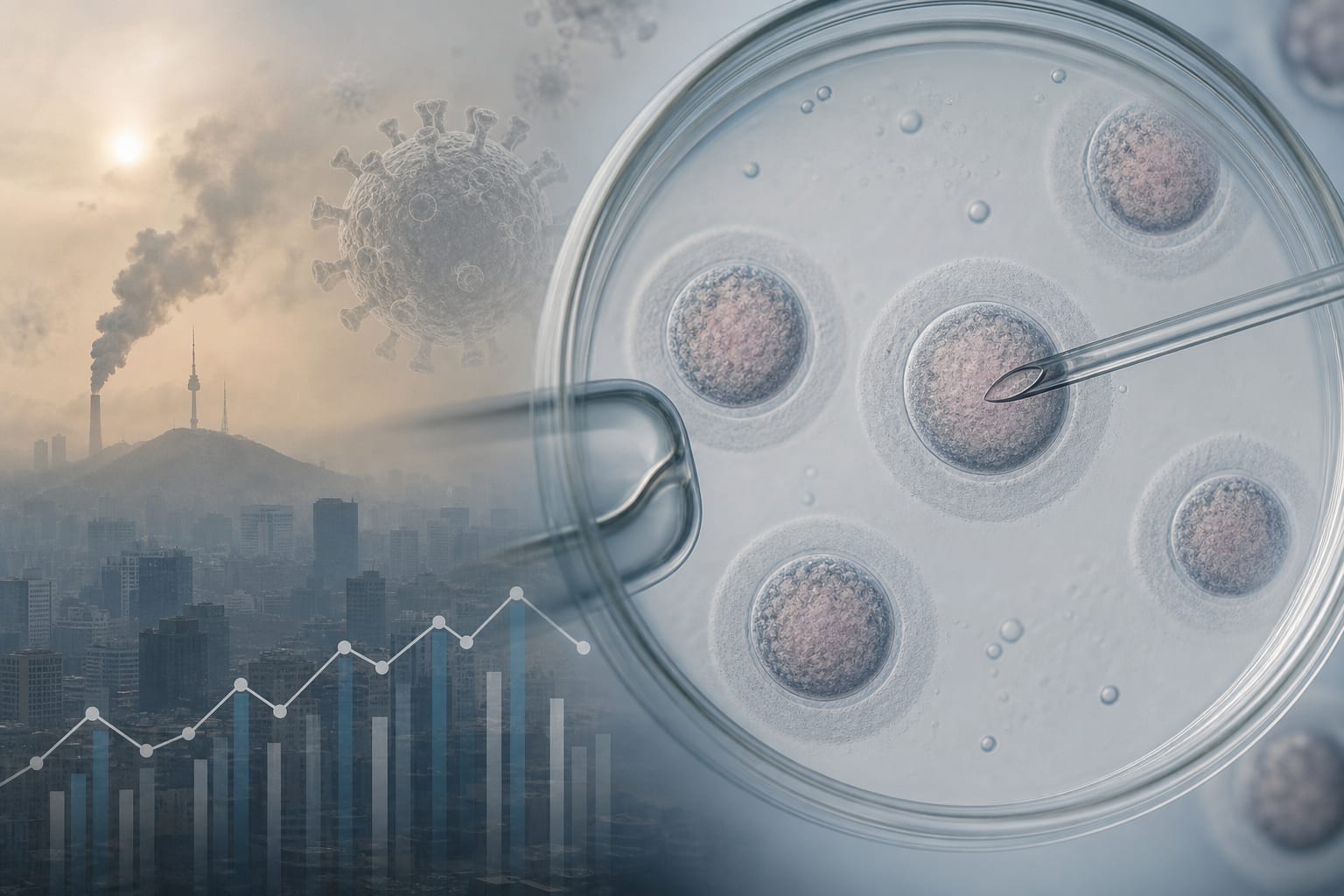
This study investigates the impact of the COVID-19 pandemic on in vitro fertilization (IVF) outcomes, specifically focusing on mature oocyte, fertilization, and pregnancy rates. It highlights significant differences in these rates across pre-COVID, during-COVID, and post-COVID periods, with environmental factors playing a modifying role.
Background
Infertility affects approximately 15% of couples globally, making IVF a critical component of reproductive medicine. Environmental factors, particularly air pollution, have been shown to influence reproductive health outcomes, including oocyte and embryo development. The COVID-19 pandemic introduced unique environmental changes that may have further impacted IVF success rates.
Data Highlights
Period
Mature Oocyte Rate
Fertilization Rate
Pregnancy Rate
Pre-COVID
Reference
Reference
Reference
During-COVID
Lower (β = −0.32, p < 0.001)
Not significant (p = 0.637)
Not significant (p = 0.346)
Post-COVID
Lower (β = −0.45, p < 0.001)
Higher (β = 0.22, p = 0.030)
Not significant (p = 0.346)
Key Findings
Revise to reflect only findings directly supported by the data without interpretation.
Clinical Implications
Clinicians should consider the impact of environmental factors on IVF outcomes, particularly during periods of societal disruption like the COVID-19 pandemic. Monitoring ambient air quality and its potential effects on reproductive health may be important for optimizing IVF success.
Conclusion
The study reveals that IVF outcomes are influenced by the timing of the COVID-19 pandemic and ambient environmental exposures, particularly affecting oocyte maturation. These findings underscore the importance of considering environmental factors in reproductive health assessments.
by Heeyon Kim, Hyun Jun Kim, Soyeong Park, Yun Soo Chung, Jin Kyung Baek, Yebon Kim, Jeongmi Yoon, Chungsoon Ryu, Bo Hyon Yun, Young Sik Choi, Daewoo Pak, Seok Kyo Seo, Yohan Ko