Clinical Report: Stigmatization Associated with Diabetes in Type 1 Diabetes Patients
Overview
This study investigates the prevalence of diabetes-related stigma among adults with Type 1 Diabetes (T1D) in Jazan, Saudi Arabia, highlighting its association with sociodemographic and clinical factors. Findings indicate that stigma is prevalent and linked to poorer glycemic control and recent diagnosis.
Background
Diabetes-related stigma can adversely affect self-management and health outcomes in individuals with diabetes. In Saudi Arabia, where T1D is increasingly prevalent, understanding the factors contributing to stigma is crucial for improving care and support for affected individuals. This study addresses a gap in research regarding stigma in Middle Eastern populations.
Data Highlights
Characteristic
Mean Age (years)
Female (%)
Urban Residents (%)
Participants
30.4 ± 13.4
59.2
52.8
Key Findings
Problematic stigma was observed across all domains of the DSAS-1, particularly in 'Treated Differently'.
Higher stigma was linked to more recent diagnosis and poorer glycemic control.
Stigma was more prevalent among females, urban residents, unemployed individuals, and those with lower income or education.
Regression models indicated that clinical factors significantly improved the explained variance of stigma.
Stigma is associated with more frequent episodes of hypoglycemia, hyperglycemia, and ketoacidosis.
Clinical Implications
Healthcare providers should be aware of the high prevalence of stigma among T1D patients and its association with adverse clinical outcomes. Integrating stigma-reduction strategies into diabetes care may enhance psychosocial well-being and improve overall health outcomes.
Conclusion
Diabetes-related stigma is a significant issue among adults with T1D in Jazan, closely linked to both clinical and sociodemographic factors. Addressing this stigma is essential for improving care and support for individuals with diabetes.
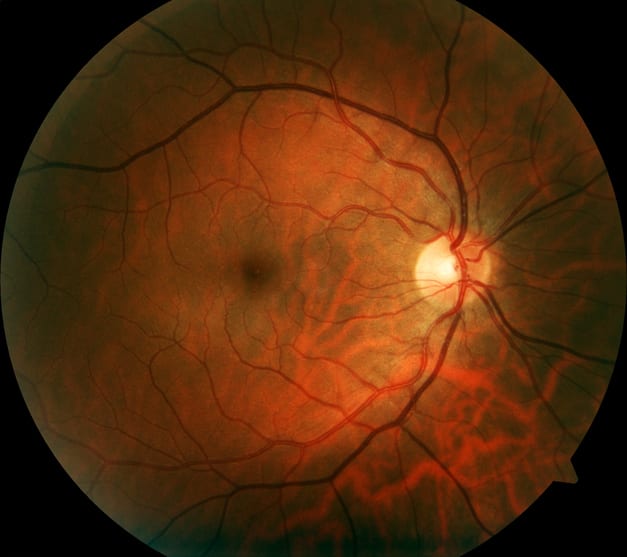
"AI could help reduce the burden on ophthalmology services by triaging large numbers of patients with diabetes and allowing specialists to focus on those who most urgently need care."