Specialized Fields in Respiratory Care Providing a More Relaxed Environment
Overview
This report highlights five specialty areas in respiratory care that offer a less intense work environment while maintaining high levels of job satisfaction. These fields include pulmonary rehabilitation, diagnostics, sleep, home care, and skilled nursing.
Background
The demand for respiratory therapists in various settings is growing, particularly as healthcare shifts towards outpatient and community care. Understanding the diverse specialty areas within respiratory care can help professionals find roles that align with their career goals and lifestyle preferences. This is particularly relevant for those seeking a more balanced work environment.
Data Highlights
No numerical data provided in the article.
Key Findings
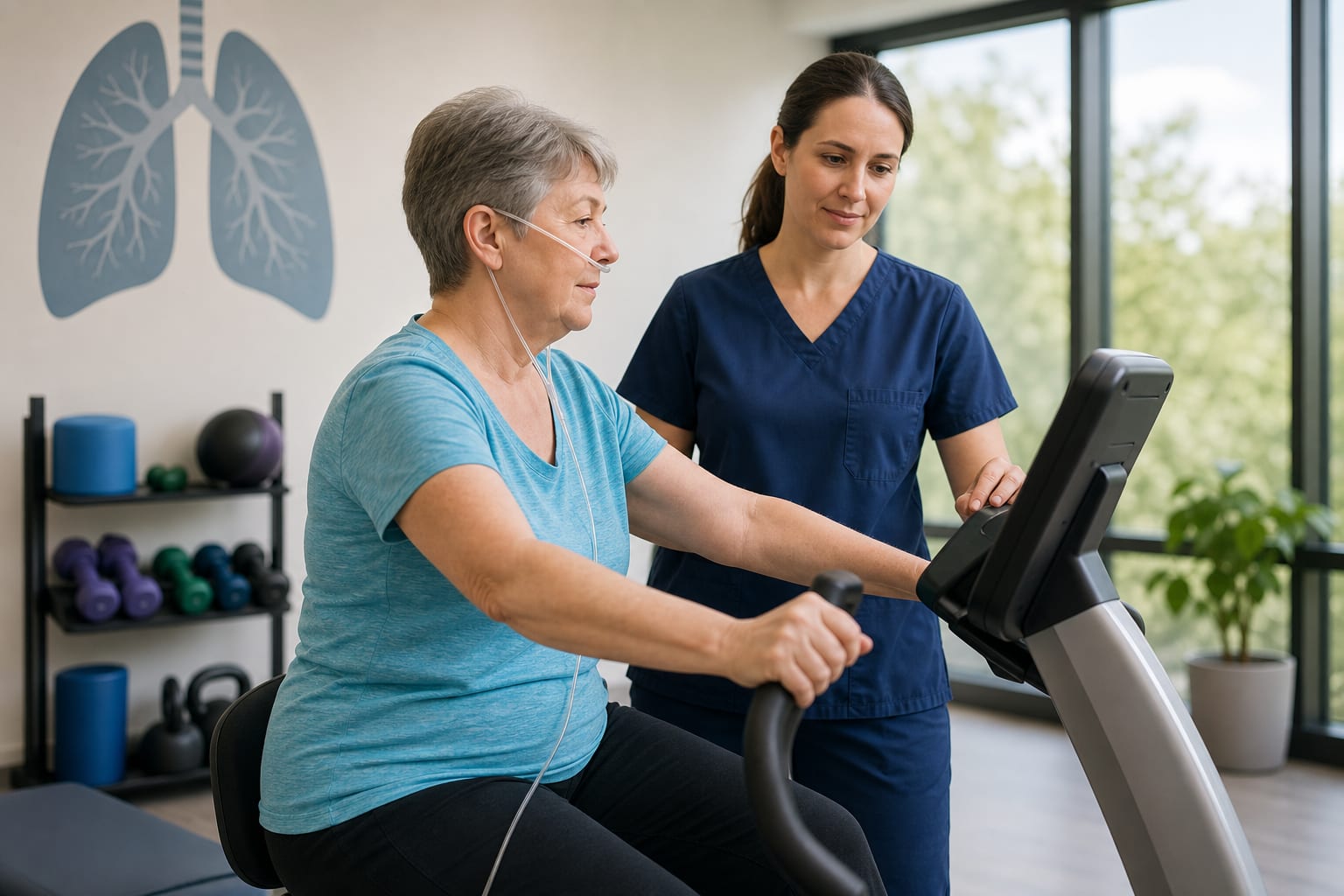
Pulmonary rehabilitation allows therapists to work closely with chronic respiratory patients, enhancing their recovery through exercise and education.
Diagnostics in pulmonary function laboratories provide predictable workloads and require meticulous attention to detail.
Sleep labs offer a stable work environment with minimal emergencies, focusing on patient education for sleep disorders.
Home care enables therapists to build long-term relationships with patients while adapting to various situations in their homes.
Skilled nursing facilities combine elements of treatment and education, making therapists integral to community health.
Clinical Implications
Healthcare professionals should consider the benefits of specializing in less acute areas of respiratory care, which can lead to improved job satisfaction and patient outcomes. Engaging in these specialties may also enhance the quality of care provided to patients with chronic respiratory conditions.
Conclusion
Exploring specialty areas in respiratory care can provide fulfilling career options for therapists seeking a less intense work environment while still making a significant impact on patient health.