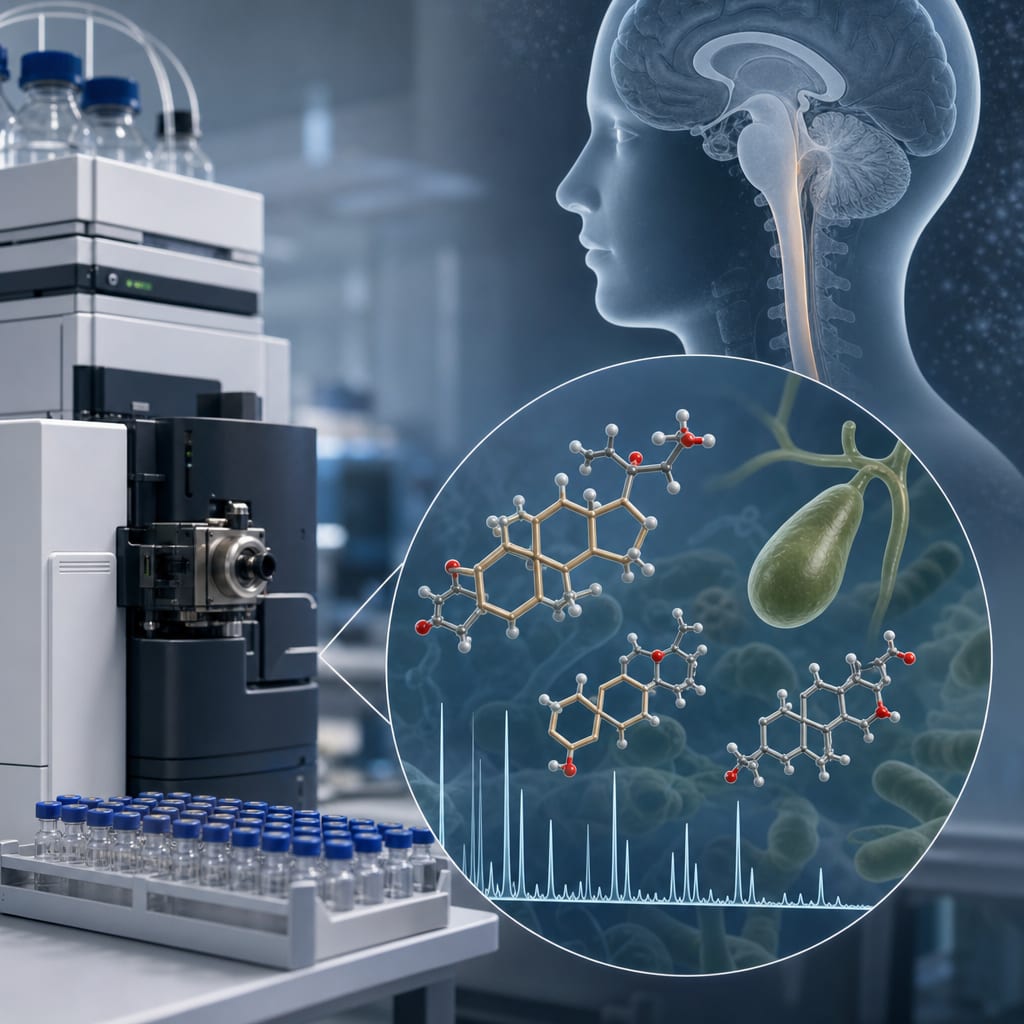
Clinical Report: Investigating the Influence of Apelin and Ghrelin in MS
Overview
This study evaluates serum levels of apelin and ghrelin in patients with relapsing-remitting multiple sclerosis (RRMS) undergoing immunomodulatory treatment. Significant differences in hormone levels were observed between treated patients and healthy controls, suggesting a link between immunomodulatory therapies and metabolic factors in MS.
Background
Multiple sclerosis (MS) is a chronic autoimmune disorder that leads to inflammation and demyelination of the central nervous system. Understanding the role of peptide hormones like apelin and ghrelin in MS pathogenesis is crucial, as they may influence inflammatory processes and metabolic dysregulation. This study focuses on relapsing-remitting MS (RRMS), the most common form of the disease, to explore the relationship between immunomodulatory treatments and hormone levels.
Data Highlights
Group
Apelin Level
Ghrelin Level
Natalizumab-treated
Higher (p=0.0063)
Not significant
Fingolimod-treated
Not significant
Higher (p=0.0035)
Healthy Controls
Baseline
Baseline
Key Findings
Natalizumab-treated patients had significantly higher apelin levels compared to healthy controls (p=0.0063).
All women treated with natalizumab and fingolimod had higher apelin levels than healthy women (p=0.025).
In women with MS, ghrelin levels increased with disease duration (p=0.045, R = 0.357).
Apelin levels positively correlated with BMI in the fingolimod-treated group (p=0.001, R = 0.694).
Clinical Implications
The findings suggest that monitoring serum levels of apelin and ghrelin may provide insights into the metabolic status of RRMS patients undergoing immunomodulatory treatment. Clinicians should consider the potential impact of these peptide hormones on disease management and treatment outcomes.
Conclusion
This study highlights the differences in serum apelin and ghrelin levels among RRMS patients treated with different immunomodulatory therapies, indicating a potential link between these hormones and disease progression.