Clinical Report: Brucella melitensis Proline Racemase Protein A and IL-10
Overview
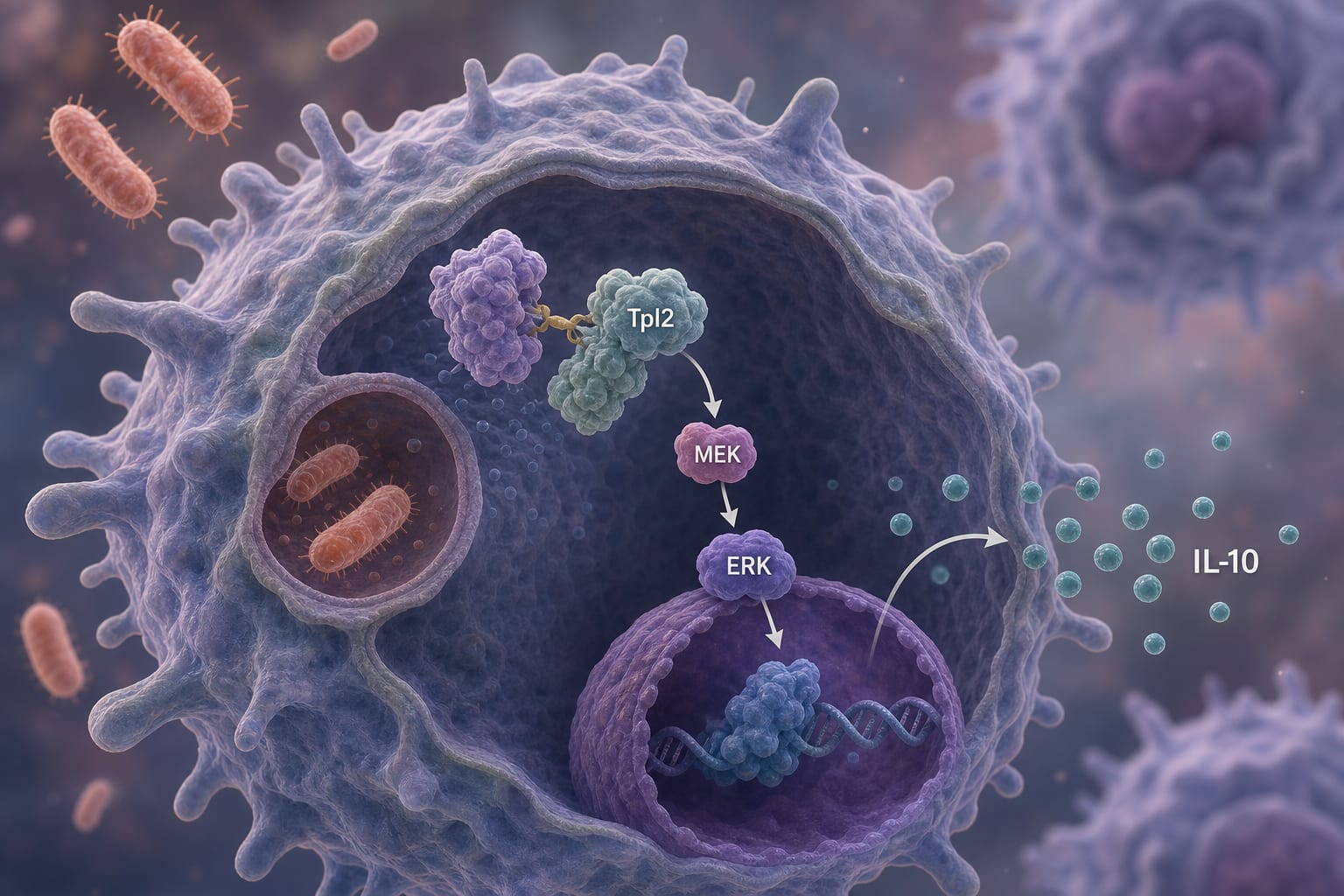
This study reveals that the proline racemase protein A (PrpA) of Brucella melitensis M5–90 activates the Tpl2-ERK signaling pathway in macrophages, leading to increased IL-10 production and facilitating chronic infection. The findings suggest that PrpA plays a critical role in immune modulation, making the prpA mutant a potential candidate for vaccine development.
Background
Brucellosis is a significant zoonotic disease with over 500,000 human cases reported annually, leading to severe health complications and economic losses in livestock. The ability of Brucella to evade immune responses and establish chronic infections poses a major challenge for treatment and prevention. Understanding the mechanisms by which Brucella manipulates the immune system is crucial for developing effective vaccines and therapeutic strategies.
Data Highlights
No numerical data or trial data presented in the article.
Key Findings
PrpA induces IL-10 secretion in macrophages via Tpl2-ERK signaling activation.
Deletion of Tpl2 impairs macrophage bactericidal activity and reduces pro-inflammatory cytokines.
PrpA deletion results in increased IFN-γ levels and enhanced T cell responses in mice.
The prpA mutant provides better protection against virulent Brucella melitensis M28 compared to the parental strain.
Specific residues in PrpA interact with Tpl2 but do not affect IL-10 production.
Clinical Implications
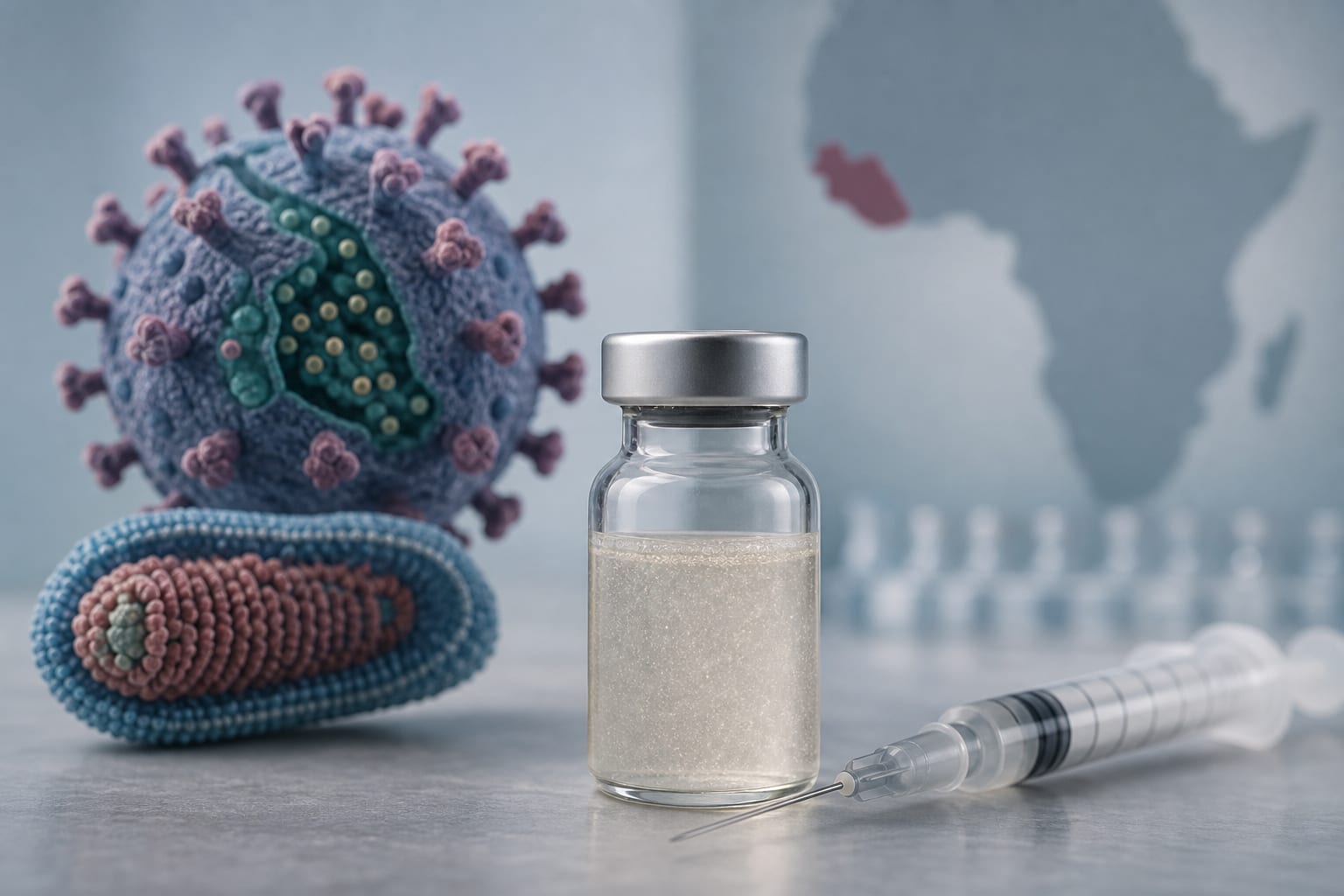
The findings highlight the importance of targeting the Tpl2-ERK signaling pathway in macrophages to modulate IL-10 production, which could be a therapeutic strategy for managing chronic brucellosis. The prpA mutant's potential as a vaccine candidate may offer a safer alternative for preventing brucellosis in livestock.
Conclusion
Brucella melitensis PrpA is a key factor in promoting IL-10 production through Tpl2 activation, facilitating chronic infection. These insights could inform future vaccine development and therapeutic approaches for brucellosis.