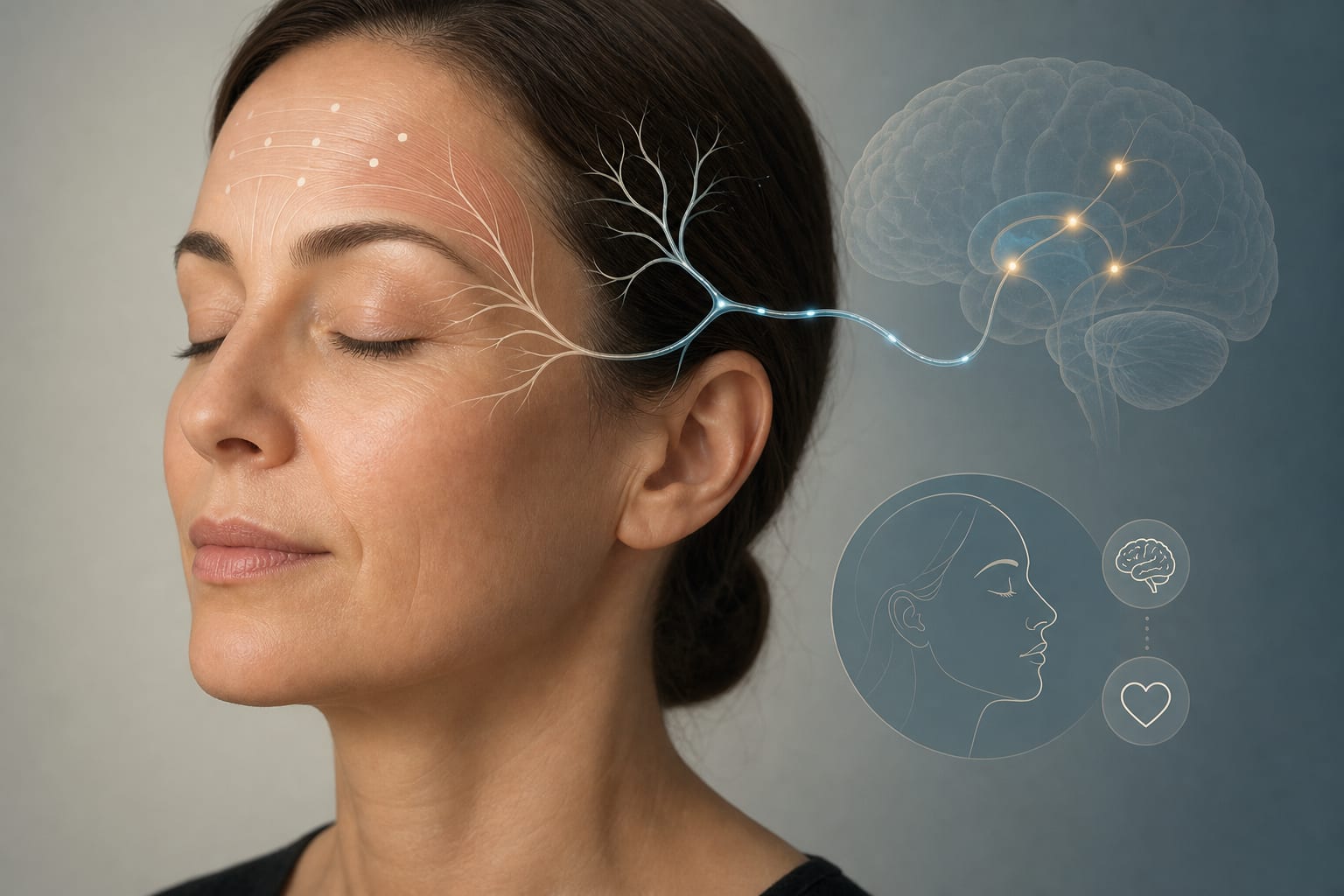
Clinical Scorecard: Exploring the Psychological Advantages of Botulinum Toxin Therapy in the Upper Face: A Narrative Review on Psychodermatological Effects
At a Glance
Category
Detail
Condition
Psychodermatological effects of Botulinum toxin type A (BoNT-A) treatment
Key Mechanisms
Influence on emotional processing via the skin-brain axis and facial feedback hypothesis
Target Population
Patients seeking aesthetic treatment for dynamic wrinkles in the upper facial third
Care Setting
Aesthetic dermatology
Key Highlights
BoNT-A is associated with reductions in depressive and anxiety symptoms.
Improvements in self-perception and social functioning observed post-treatment.
Inhibition of facial muscles modulates signaling to limbic structures.
Neuroimaging shows reduced amygdala activation after treatment.
Caution advised in patients with body dysmorphic disorder.
Guideline-Based Recommendations
Diagnosis
Consider psychological assessments in patients receiving BoNT-A.
Management
Use BoNT-A as a complementary intervention within a biopsychosocial framework.
Monitoring & Follow-up
Monitor for psychological outcomes post-treatment.
Risks
Potential risks in patients with underlying psychiatric disorders, particularly body dysmorphic disorder.
Patient & Prescribing Data
Individuals seeking aesthetic improvements in the upper facial area.
BoNT-A may enhance emotional regulation and affective symptoms.
Clinical Best Practices
Conduct thorough psychological evaluations prior to treatment.
Integrate psychodermatological considerations into treatment planning.
Encourage multidisciplinary approaches involving mental health professionals.
A VHA study across 11 vendors finds AI-generated primary care notes score lower than clinician-written notes, with the largest deficits in thoroughness, organization, and usefulness
From unexpected workplace parallels to kitchen-counter experiments and a few clinical twists, this set of stories covered more ground than your average shift.