Subcutaneous patient-controlled analgesia with hydromorphone for the treatment of refractory cancer pain in older hospitalized patients: a retrospective real-world study - Scorecard - MDSpire
Advertisement
Subcutaneous patient-controlled analgesia with hydromorphone for the treatment of refractory cancer pain in older hospitalized patients: a retrospective real-world study
Clinical Scorecard: Subcutaneous Patient-Controlled Analgesia Using Hydromorphone for Managing Severe Cancer Pain in Elderly Hospitalized Patients: A Retrospective Analysis
At a Glance
Category
Detail
Condition
Severe cancer pain in elderly patients
Key Mechanisms
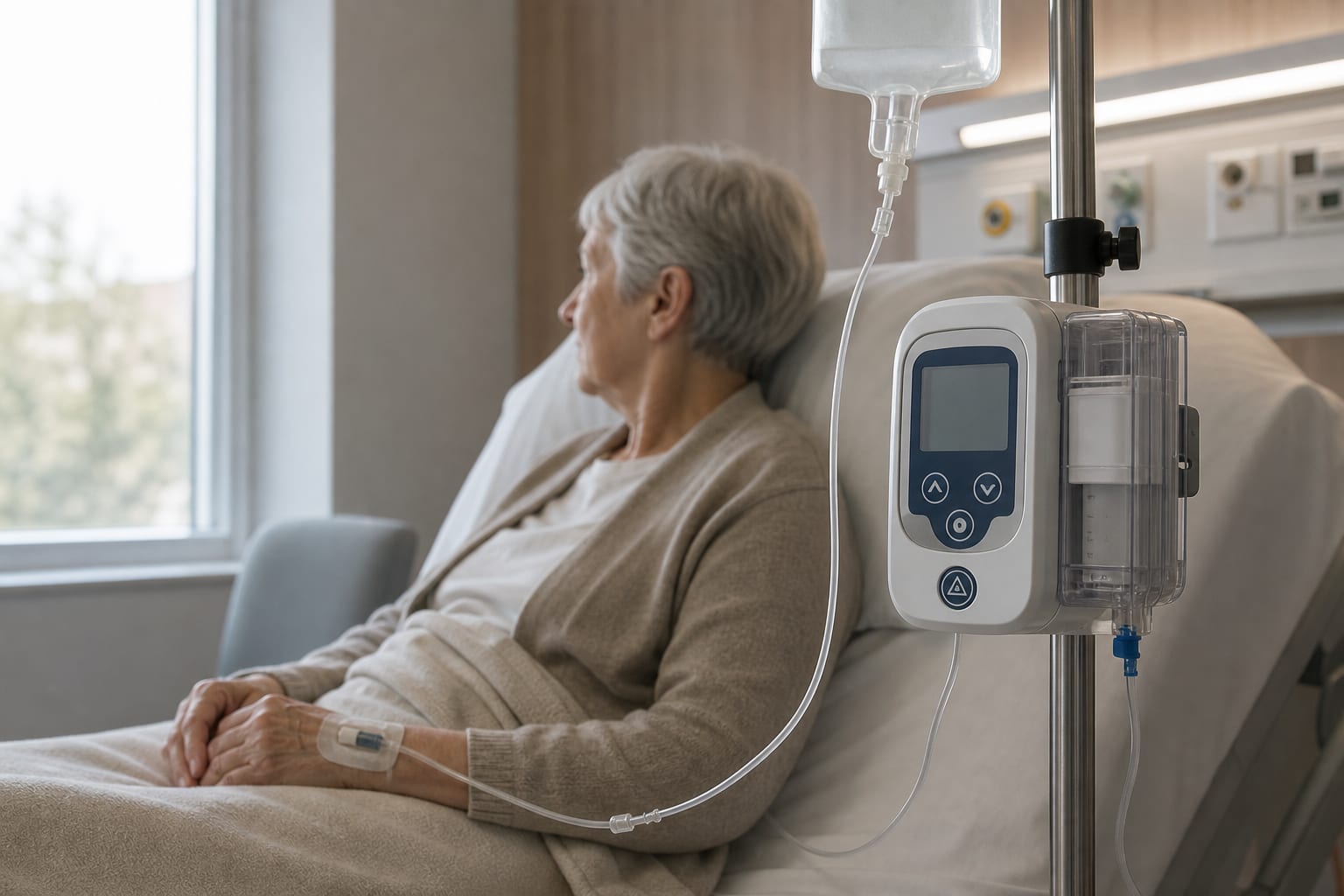
Subcutaneous patient-controlled analgesia (PCA) with hydromorphone
Target Population
Hospitalized patients aged ≥60 years with refractory cancer pain
Care Setting
Geriatric oncology ward
Key Highlights
Mean NRS score reduction from 4.43 to 2.21 at 24 hours (p < 0.001)
Response rates: 57.3% for ≥30% improvement, 45.2% for ≥50% improvement
Median time to satisfactory analgesia was 0.6 hours
Low rates of adverse events: somnolence (0.4%), constipation (0.2%)
82% of patients had stage IV disease
Guideline-Based Recommendations
Diagnosis
Refractory cancer pain defined as NRS score ≥4 despite prior opioid exposure
Management
Subcutaneous PCA hydromorphone as a rescue strategy for severe pain
Monitoring & Follow-up
Regular pain assessments and monitoring for adverse events
Risks
Potential for somnolence and constipation, but no documented respiratory depression
Patient & Prescribing Data
Older adults (mean age 68.3 years) with pathologically confirmed malignancy
Hydromorphone is preferred for its favorable pharmacokinetic profile and tolerability
Clinical Best Practices
Implement PCA for rapid titration of analgesia in patients with fluctuating pain
Utilize standardized assessments for monitoring pain and adverse events
Consider patient-specific factors when selecting analgesic strategies