Soluble IL-2 receptor and memory Treg profiles differentiate early rheumatoid arthritis from undifferentiated arthritis at initial presentation
By
Xiaoyu Zi
Yifang Shi
Yicong Zhao
Chong Gao
Caihong Wang
June 9, 2026
Clinical Scorecard: Profiles of Soluble IL-2 Receptor and Memory Treg Distinguish Early Rheumatoid Arthritis from Undifferentiated Arthritis at First Presentation
At a Glance
Category Detail
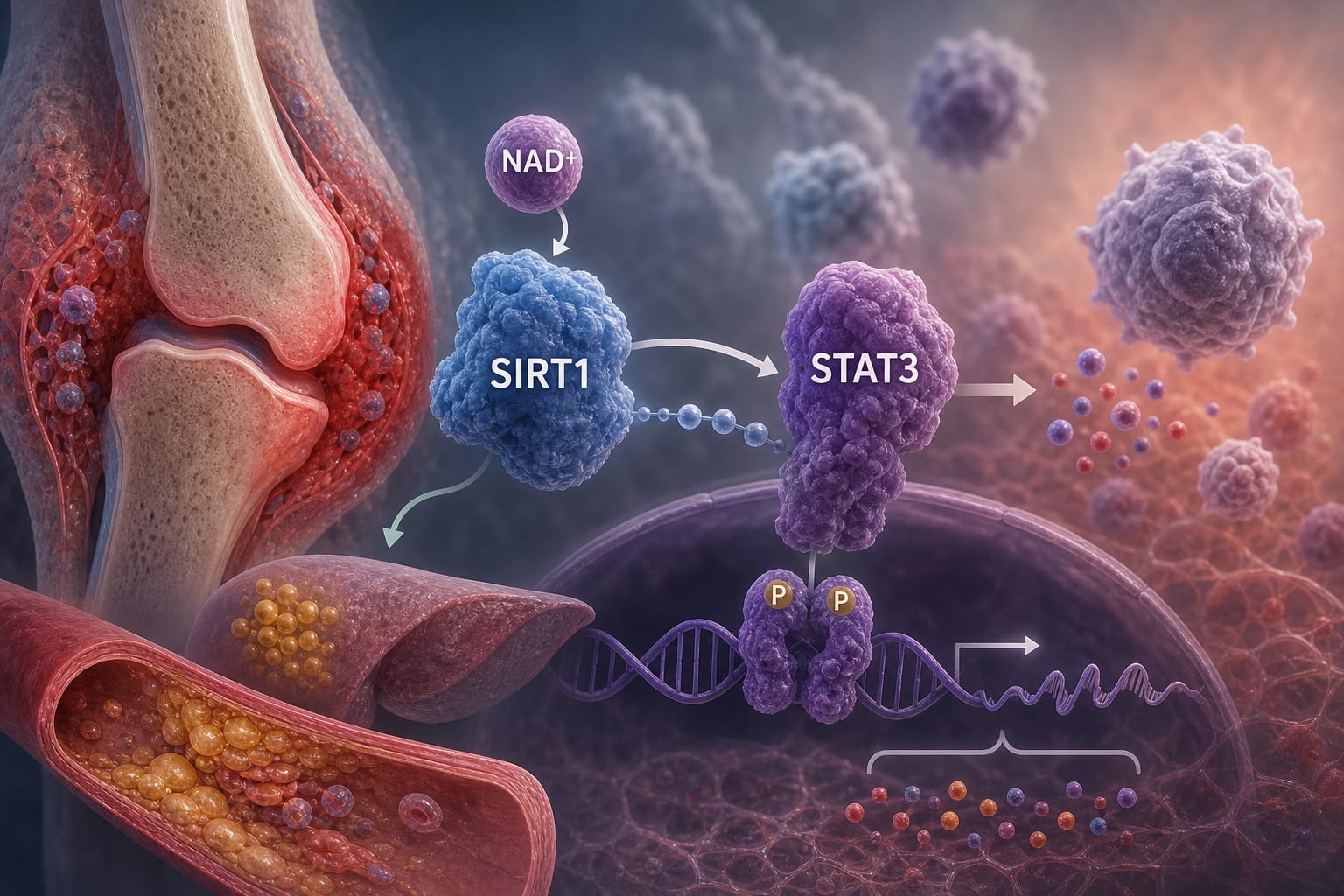
Condition Key Mechanisms IL-2 signaling exhaustion, Th17/Treg imbalance, systemic inflammation Target Population Care Setting
Key Highlights
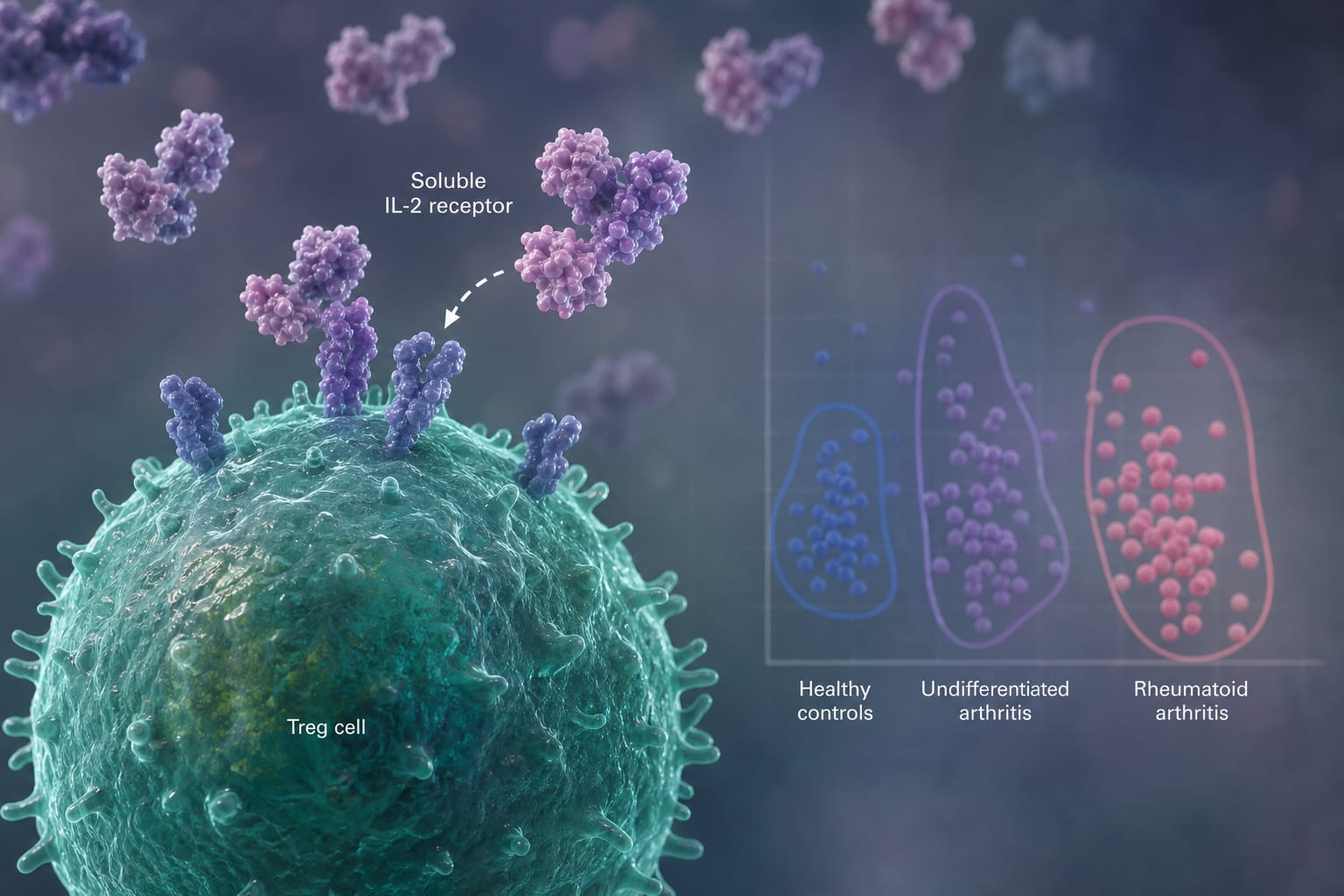
Distinct immune profiles identified between treatment-naïve RA and undifferentiated arthritis. Elevated soluble IL-2 receptor (sIL-2R) and IL-6 in treatment-naïve RA. An eight-feature immune signature effectively discriminates TN-RA from UA. IL-2 signaling is critical for Treg development and function in RA pathogenesis. Guideline-Based Recommendations
Diagnosis
Utilize immune-based classifiers to distinguish TN-RA from UA. Management
Consider immune profiling for treatment decisions in ambiguous cases. Monitoring & Follow-up
Monitor levels of sIL-2R and IL-6 as potential biomarkers. Risks
Delayed diagnosis may lead to increased joint damage and disease progression. Patient & Prescribing Data
Treatment-experienced RA, treatment-naïve RA, seropositive undifferentiated arthritis patients.
Early identification of RA may allow for timely therapeutic interventions.
Clinical Best Practices
Incorporate immune profiling in the assessment of patients with undifferentiated arthritis. Evaluate Th17/Treg ratios and cytokine levels for better understanding of disease state. Related Resources & Content