Elevated homocysteine levels are associated with increased diabetes risk in patients with hypertension: a multicenter longitudinal study - Scorecard - MDSpire
Advertisement
Elevated homocysteine levels are associated with increased diabetes risk in patients with hypertension: a multicenter longitudinal study
Clinical Scorecard: Increased Homocysteine Levels Linked to Higher Diabetes Risk Among Hypertensive Patients: Findings from a Multicenter Longitudinal Analysis
At a Glance
Category
Detail
Condition
Diabetes risk in hypertensive patients
Key Mechanisms
Association between elevated homocysteine levels and increased diabetes risk
Target Population
Hypertensive patients
Care Setting
Multicenter clinical study
Key Highlights
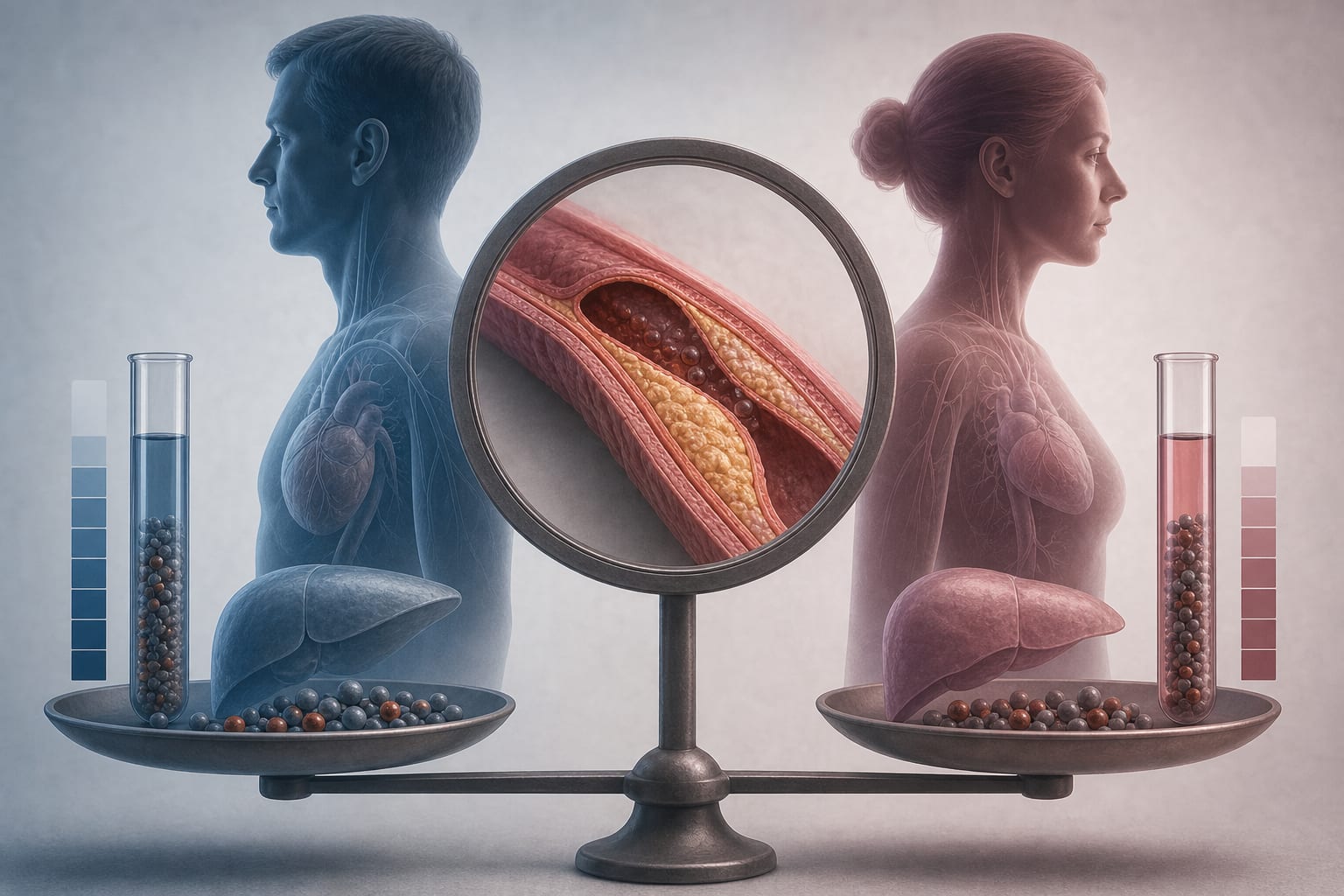
Elevated homocysteine levels significantly associated with increased diabetes risk.
Each 1 μmol/L increase in homocysteine corresponds to a 3.3% higher diabetes risk.
Thresholds identified: 15.2 μmol/L for females and 15.9 μmol/L for males.
Robust findings confirmed across various subgroup analyses.
Potential dual protective effect of lowering homocysteine levels.
Guideline-Based Recommendations
Diagnosis
Monitor homocysteine levels in hypertensive patients to assess diabetes risk.
Management
Consider interventions to lower homocysteine levels as part of diabetes prevention strategies.
Monitoring & Follow-up
Regular follow-up on homocysteine levels and diabetes indicators in hypertensive patients.
Risks
Increased risk of diabetes with elevated homocysteine levels.
Patient & Prescribing Data
Hypertensive patients without baseline diabetes
Focus on managing homocysteine levels to potentially reduce diabetes risk.
Clinical Best Practices
Implement lifestyle modifications to manage hypertension and homocysteine levels.
Conduct regular screenings for diabetes in hypertensive patients.