Chronic military stress and glandular epithelial tumor biology: an integrative neuroendocrine–inflammatory framework with insights from microgravity gene discovery - Scorecard - MDSpire

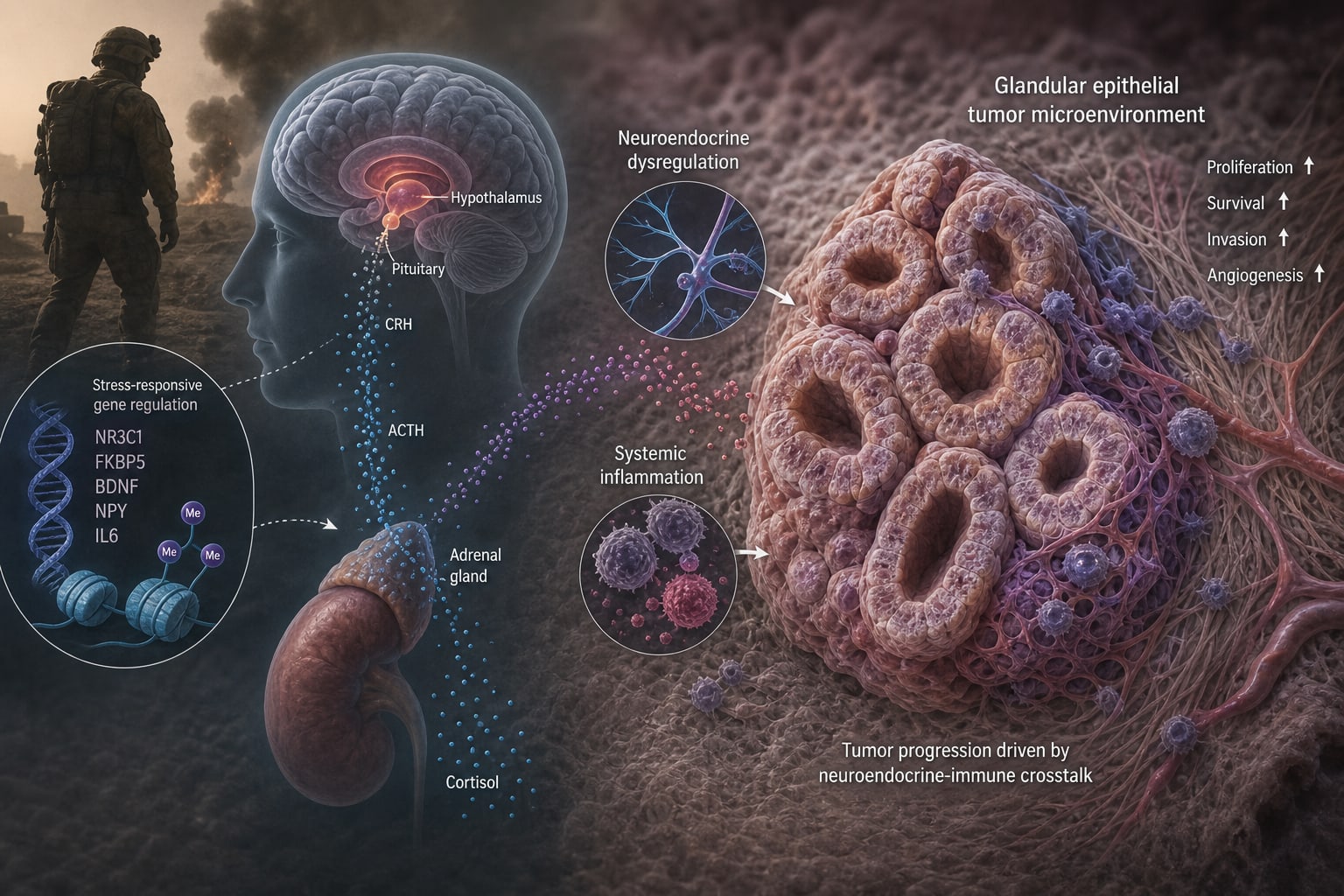
Chronic military stress and glandular epithelial tumor biology: an integrative neuroendocrine–inflammatory framework with insights from microgravity gene discovery

  • By

  • David Laván

  • Natalia Argüelles

  • Rosa Rea

  • José Morales

  • Sofia Montes

  • Daniel Huaman

  • Alexis Lluncor

  • Juan Moyano

  • Milton Peña

  • Vilma Herencia-Reyes

  • Alcides Guerra

  • Gabriela Calderón

  • José M. Vela-Ruiz

  • Aly Gallo

  • June 9, 2026

  • 0 min

Share

Clinical Scorecard: The Impact of Prolonged Military Stress on Glandular Epithelial Tumor Dynamics: A Comprehensive Neuroendocrine-Inflammatory Perspective Informed by Microgravity Gene Research

At a Glance

CategoryDetail
Condition
Key Mechanisms
Target PopulationMilitary service members and veterans, including those with combat and non-combat experiences.
Care Setting

Key Highlights

  • Add a highlight on genetic and epigenetic factors influencing tumor dynamics.

Guideline-Based Recommendations

Diagnosis

    Management

    • Monitor and address chronic stress in military populations to mitigate oncogenic risks.
    • Consider genetic screening for high-risk individuals.

    Monitoring & Follow-up

      Risks

        Patient & Prescribing Data

        Focus on managing stress and its biological impacts, including potential therapies targeting identified biomarkers.

        Clinical Best Practices

        • Integrate mental health support with oncological care for veterans, emphasizing collaboration with mental health professionals.

        Related Resources & Content

        Original Source(s)

        Related Content