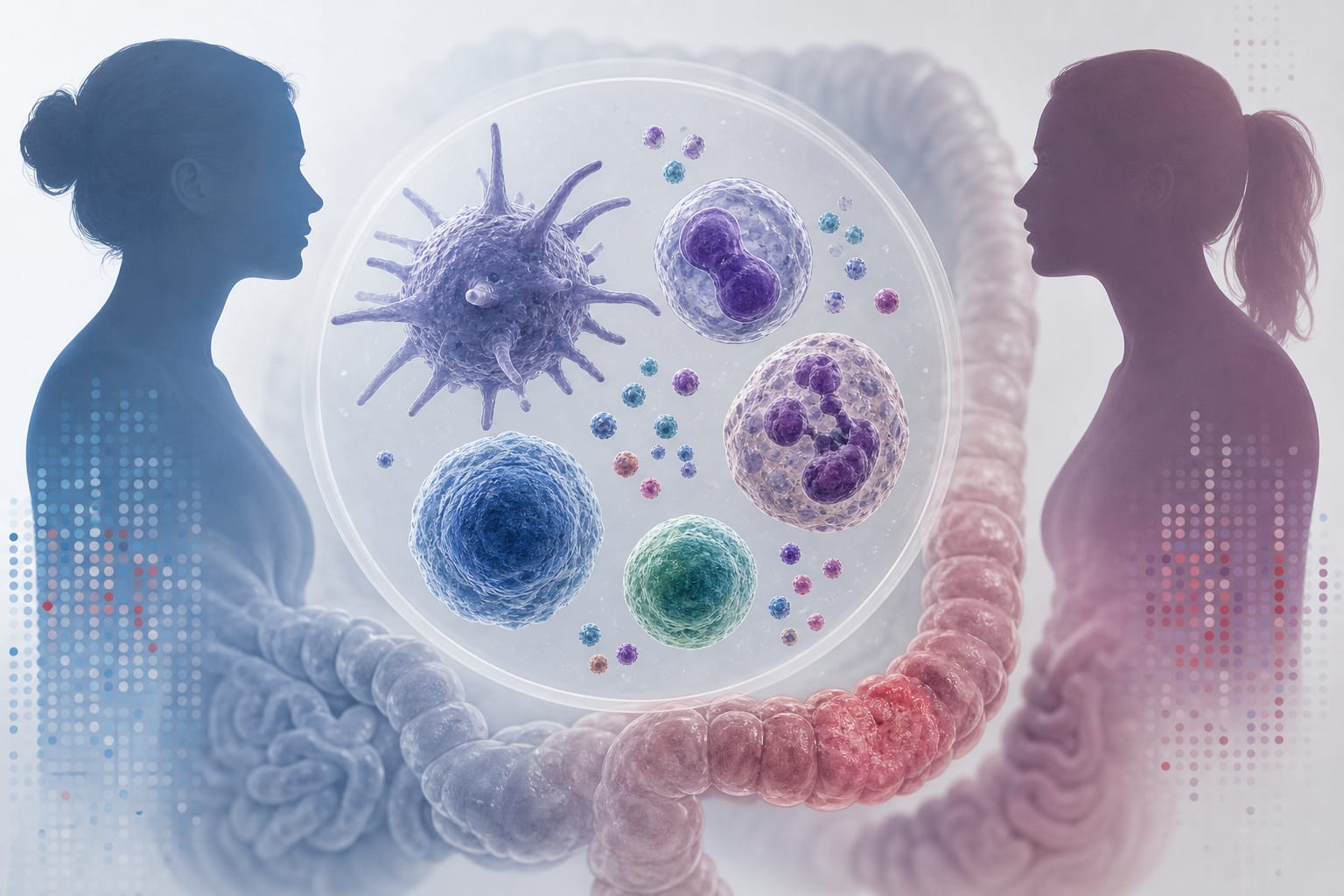
To summarize the biological functions and regulatory mechanisms, including specific pathways, of microbial bile salt hydrolase (BSH) in maintaining digestive system homeostasis and its association with major digestive diseases.
Key Findings:
BSH is a key mediator of microbiota–host crosstalk and bile acid metabolism.
Alterations in BSH pathways are linked to the progression of MASLD, IBD, and CRC.
BSH activity is influenced by strain specificity, substrate preference, and host factors, and its effects are context-dependent.
Interpretation:
BSH is positioned as a regulatory node linking microbial function to host metabolism, immunity, and tumor ecology.
Limitations:
The review does not address the full spectrum of bile acid–microbiota interactions.
Further research is needed to clarify the context-dependent effects of BSH.
Conclusion:
BSH plays a critical role in digestive homeostasis and presents a promising target for microbiota-based therapies aimed at improving digestive health.