Understanding the influence of perceived intelligence and perceived anthropomorphism on users’ intention to adopt healthcare chatbots - Summary - MDSpire
Advertisement
Understanding the influence of perceived intelligence and perceived anthropomorphism on users’ intention to adopt healthcare chatbots
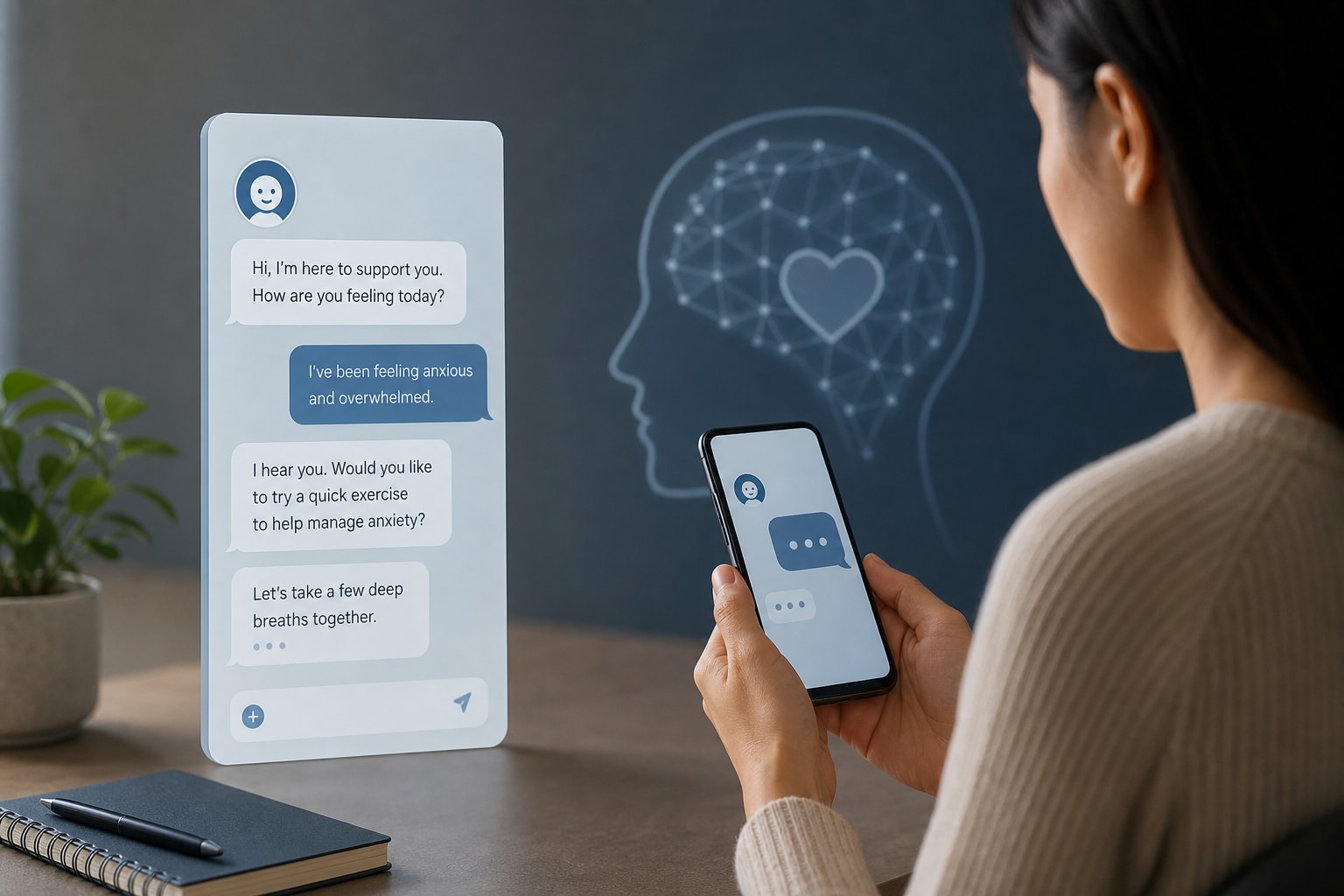
To investigate how perceived anthropomorphism and perceived intelligence influence users’ functional perceptions (like perceived usefulness and ease of use) and relational perceptions (such as trust), subsequently shaping the adoption intention of healthcare chatbots.
Key Findings:
Perceived anthropomorphism and perceived intelligence jointly influence adoption intentions through relational (trust) and functional (usefulness, ease of use) mechanisms.
Competence trust and benevolence trust significantly influence adoption intention, highlighting the importance of trust dimensions.
Multidimensional trust in AI systems encompasses benevolence, integrity, and competence, which are critical for user acceptance.
Interpretation:
The study provides a nuanced understanding of how AI characteristics operate in healthcare contexts, emphasizing the importance of both relational (trust) and functional (usefulness) perceptions in user evaluations and their implications for chatbot design.
Limitations:
The study primarily focuses on user perceptions and may not account for other external factors influencing chatbot adoption, such as cultural differences.
Data collection was limited to a specific demographic (e.g., age, tech-savviness), which may affect the generalizability of the findings.
Conclusion:
The findings contribute to the literature on AI attributes and trust in human–AI interactions, emphasizing the need to consider multidimensional trust in evaluating healthcare chatbots and suggesting practical strategies for developers to enhance user acceptance.