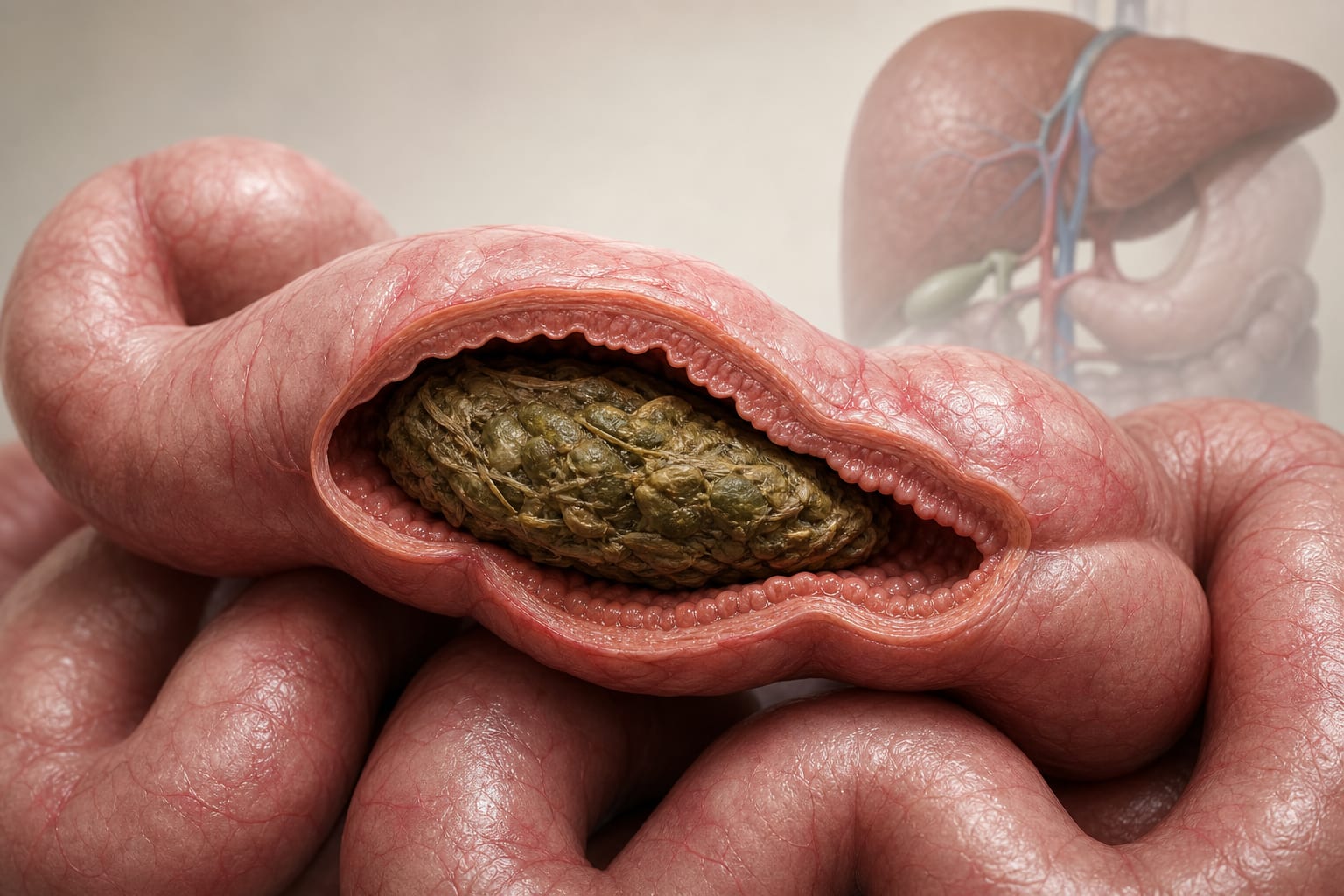
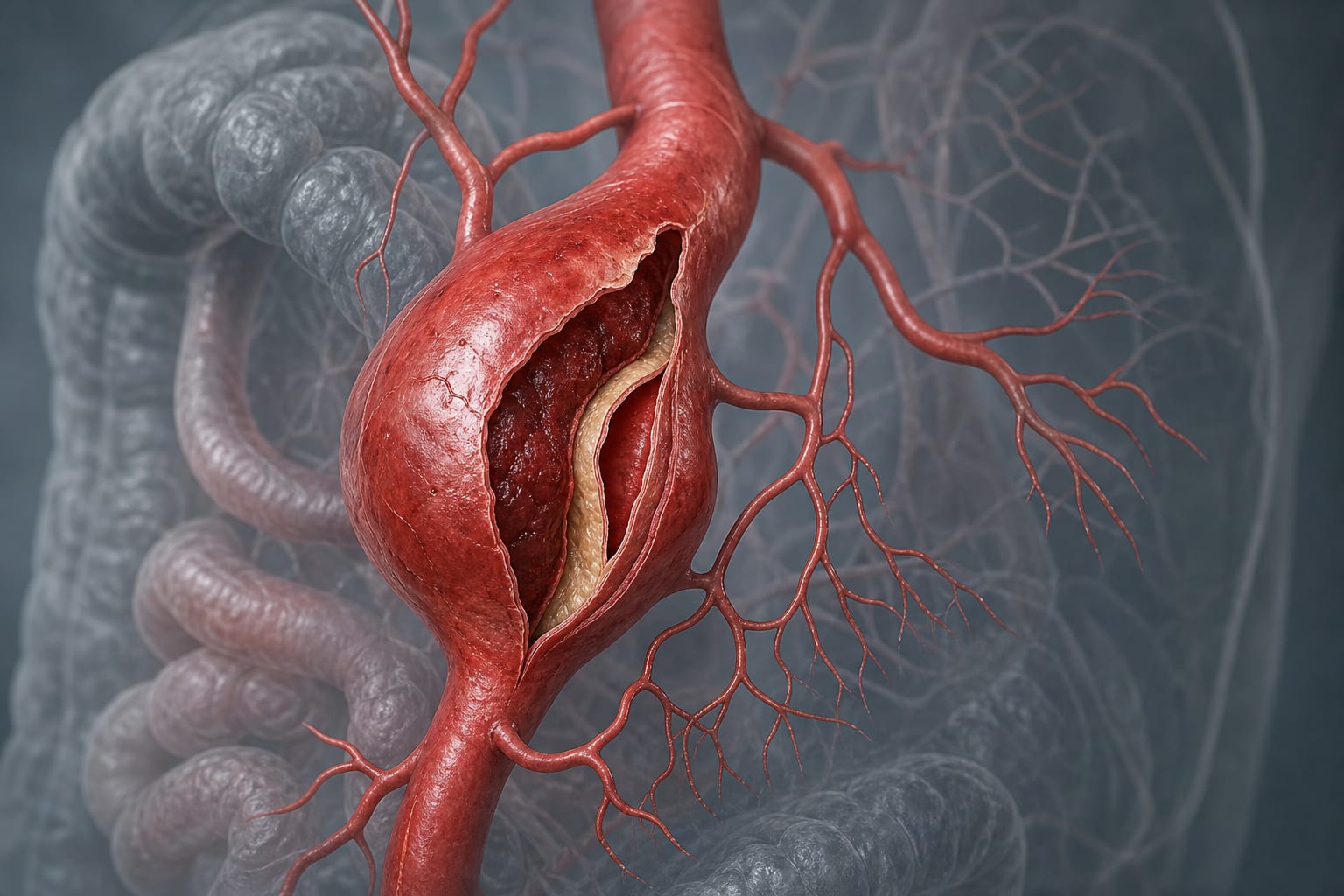
To describe a case of phytobezoar-induced SBO in a liver transplant recipient, summarize the literature on mechanical SBO in transplant patients, and discuss the role of intraoperative ICG fluorescence for bowel viability assessment.
Key Findings:
Bezoars accounted for 5 out of 7 reported cases of SBO in transplant recipients, primarily at Roux-en-Y anastomoses, highlighting their clinical relevance.
Intraoperative ICG fluorescence was used for the first time to assess bowel viability in this context, potentially changing surgical practices.
The patient was discharged on postoperative day 14 after successful management of paralytic ileus, indicating effective postoperative care.
Interpretation:
Bezoars are a rare but significant cause of SBO in transplant recipients, necessitating early surgical intervention when conservative measures fail, and highlighting the need for increased awareness among clinicians.
Limitations:
The literature review included limited case reports and a single retrospective study, which may not provide a comprehensive understanding of SBO in this population.
No transplant-specific dietary guidelines exist for bezoar prevention, indicating a gap in clinical practice.
Conclusion:
Individualized dietary counseling should be considered in long-term transplant follow-up, with specific strategies tailored to patient dietary habits, and larger studies are needed to refine understanding of SBO etiology in this population.