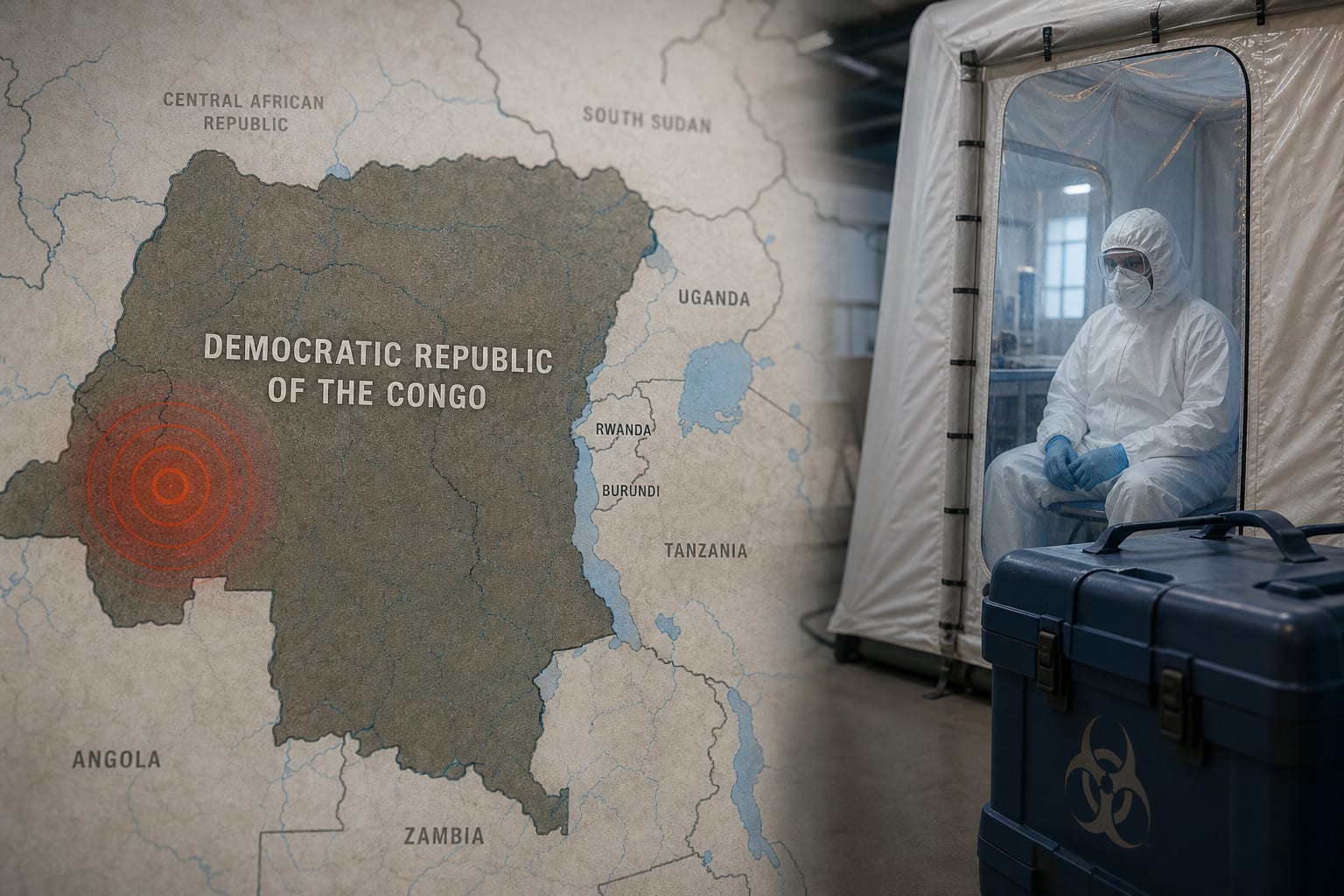
To discuss the differences in response capabilities between the 2014 Ebola outbreak and the current outbreak in the Democratic Republic of the Congo (DRC) and Uganda, focusing on case management, operational safety, and international collaboration.
Key Findings:
The current outbreak had hundreds of suspected cases before the CDC began its response, contrasting with the 2014 outbreak where the response was initiated much earlier.
The dismantling of USAID delayed information about the outbreak by 10 days, impacting timely intervention.
Trust and information-sharing have been compromised due to reduced U.S. presence in the DRC, hindering effective communication.
Lessons learned from the 2014 outbreak, such as the need for pre-stocked PPE, are not being applied effectively now, leading to resource shortages.
Interpretation:
The current outbreak response is hindered by a lack of essential resources, trained personnel, and established protocols that were effectively utilized during the 2014 outbreak.
Limitations:
The article does not provide specific data on the current outbreak's case numbers or the effectiveness of the ongoing response, limiting the assessment of the situation.
There is limited information on the operational status of USAID and WHO in the current context, which affects understanding of the response capabilities.
The article lacks direct quotes or specific examples from the interview that could provide deeper insights.
Conclusion:
The article emphasizes the significant challenges faced in responding to the current Ebola outbreak due to reduced capacity, lack of resources, and failure to apply lessons learned from past experiences.