Internet of things-based pulmonary rehabilitation for moderate-to-severe chronic obstructive pulmonary disease: a prospective non-randomized controlled intervention study protocol - Summary - MDSpire
Advertisement
Internet of things-based pulmonary rehabilitation for moderate-to-severe chronic obstructive pulmonary disease: a prospective non-randomized controlled intervention study protocol
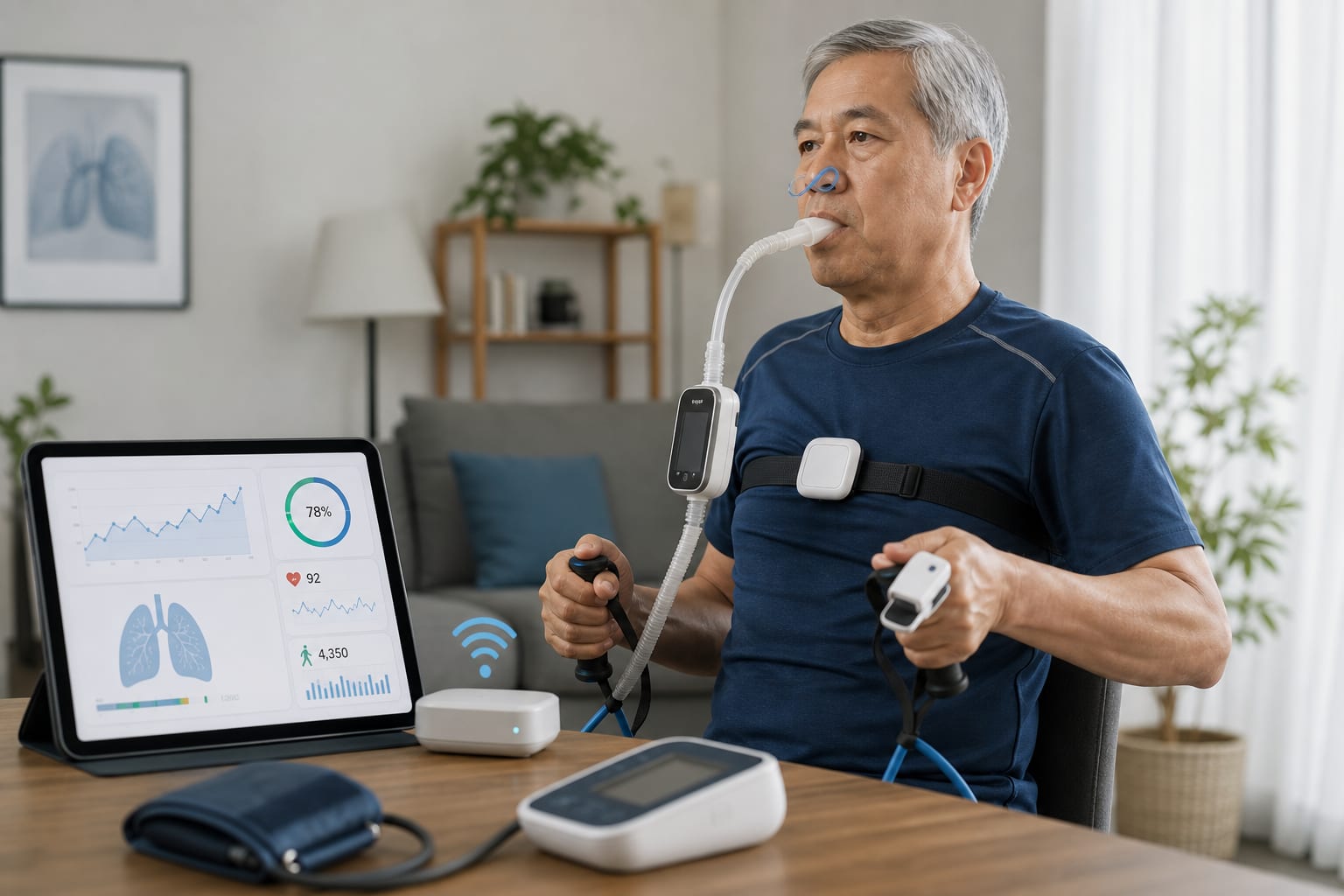
To evaluate the efficacy of an IoT-based pulmonary rehabilitation management model in reducing AECOPD-related readmissions and improving exercise tolerance, quality of life, and dyspnea in patients with moderate-to-severe COPD, emphasizing the innovative use of technology.
Key Findings:
Primary outcome: 12-month rate of moderate-to-severe AECOPD. Secondary outcomes include pulmonary function, exercise capacity, HRQoL, right cardiac function, pneumonia incidence, all-cause mortality, and adherence, with a note on their clinical significance.
Interpretation:
The study aims to develop a technology-enabled continuous care model for chronic respiratory diseases, facilitating the transition from hospital-centric to patient-centric care, with potential applications in real-world settings.
Limitations:
Non-randomized design may introduce selection bias. Single institution study may limit generalizability, and potential biases related to participant selection and technology access should be acknowledged.
Conclusion:
The findings may support the development of innovative, patient-centered models for home-based pulmonary rehabilitation, with implications for future research in IoT applications in healthcare.
Analysis of England’s multicancer early detection screening trial found modest, temporary diagnostic delays in participating regions, adding to concerns about health system effects and the evidence base for population-level blood-based cancer screening.