Understanding stroke caregiving in rural contexts: a qualitative study of family caregivers’ cultural values, coping behaviors, and technology use - Summary - MDSpire
Advertisement
Understanding stroke caregiving in rural contexts: a qualitative study of family caregivers’ cultural values, coping behaviors, and technology use
To examine the experiences and support needs of rural family caregivers of individuals with chronic stroke, emphasizing the significance of culturally grounded caregiving behaviors, structural barriers to support, and technology-enabled strategies.
Key Findings:
Caregiving framed as a moral and relational obligation rooted in cultural values, highlighting the importance of cultural context.
Barriers to formal support include cost, insurance limitations, and transportation challenges, which significantly impact caregiver access to resources.
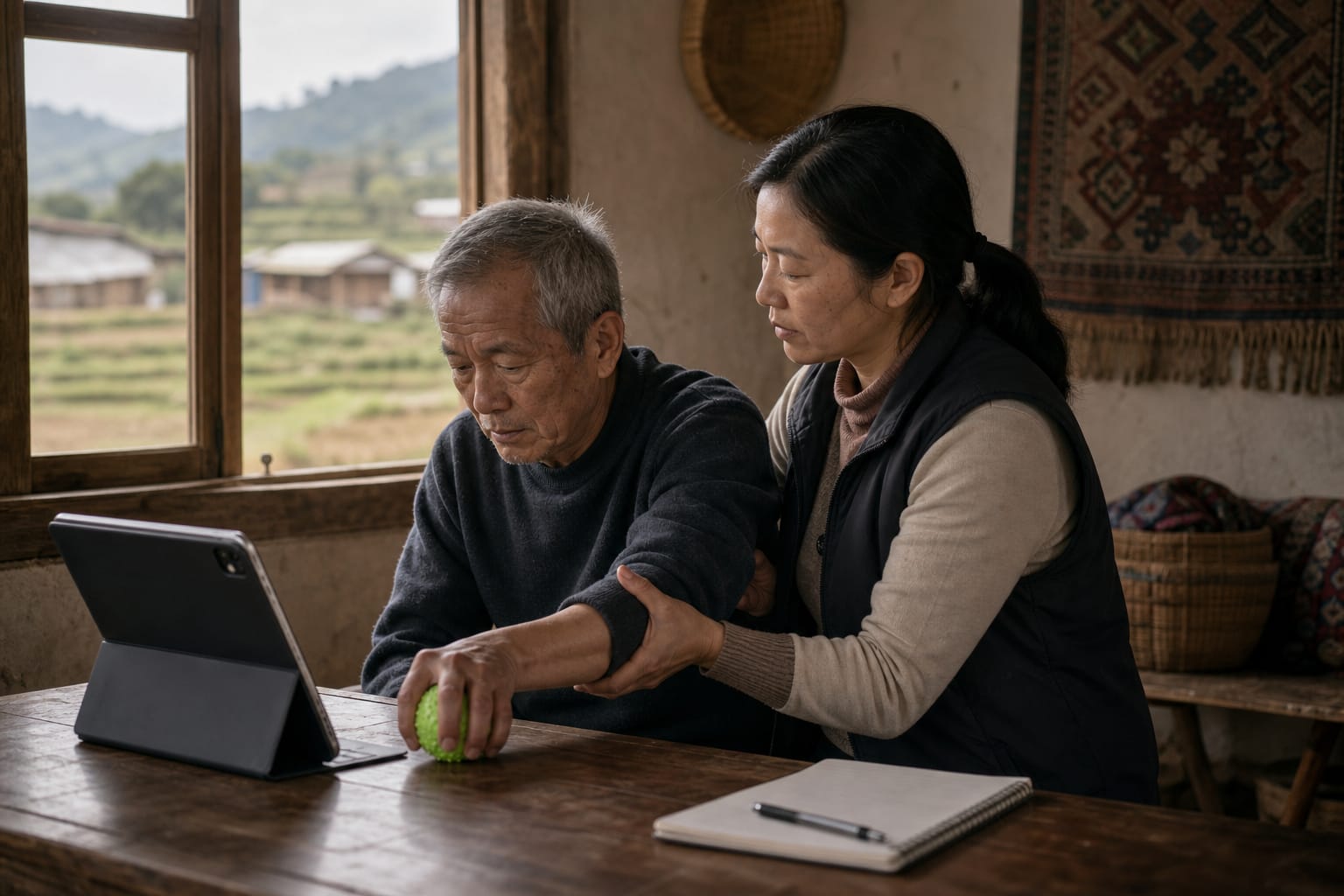
Caregivers relied on informal learning and technology-based resources for skill reinforcement, indicating a need for better formal training.
Family support and role adaptation were significant in coping with caregiving demands, suggesting the importance of family dynamics.
Caregivers maintained a positive outlook on patient recovery despite challenges, reflecting resilience and hope.
Emotional resilience was fostered through informal coping strategies, underscoring the need for emotional support mechanisms.
Interpretation:
Stroke caregiving in rural settings is influenced by cultural obligation, perceived necessity, and structural barriers, with caregivers acting as extensions of the care team, emphasizing their critical role in patient recovery.
Limitations:
Study limited to a small sample size of 15 caregivers, which may introduce bias.
Findings may not be generalizable beyond rural Alabama, highlighting the need for broader studies.
Conclusion:
Culturally informed, family-centered, technology-enabled interventions that address structural barriers may improve caregiver well-being and strengthen stroke recovery outcomes.