A de novo LDLR mutation in severe familial hypercholesterolemia: case report, functional characterization, and a personalized gene correction strategy exploration - Summary - MDSpire
Advertisement
A de novo LDLR mutation in severe familial hypercholesterolemia: case report, functional characterization, and a personalized gene correction strategy exploration
To assess the pathogenicity of a novel mutation, LDLR c.331C>T (p.Gln111Ter), and explore its gene correction strategy, which may provide new treatment options for HoFH patients.
Key Findings:
The patient exhibited a biallelic LDLR mutation: LDLR c.1693_1696 del GGCA from her mother and a de novo LDLR c.331C>T (p.Gln111Ter) mutation, highlighting the genetic complexity of HoFH.
In vitro validation showed that the mutation impaired normal LDLR protein expression, which may contribute to the patient's severe phenotype.
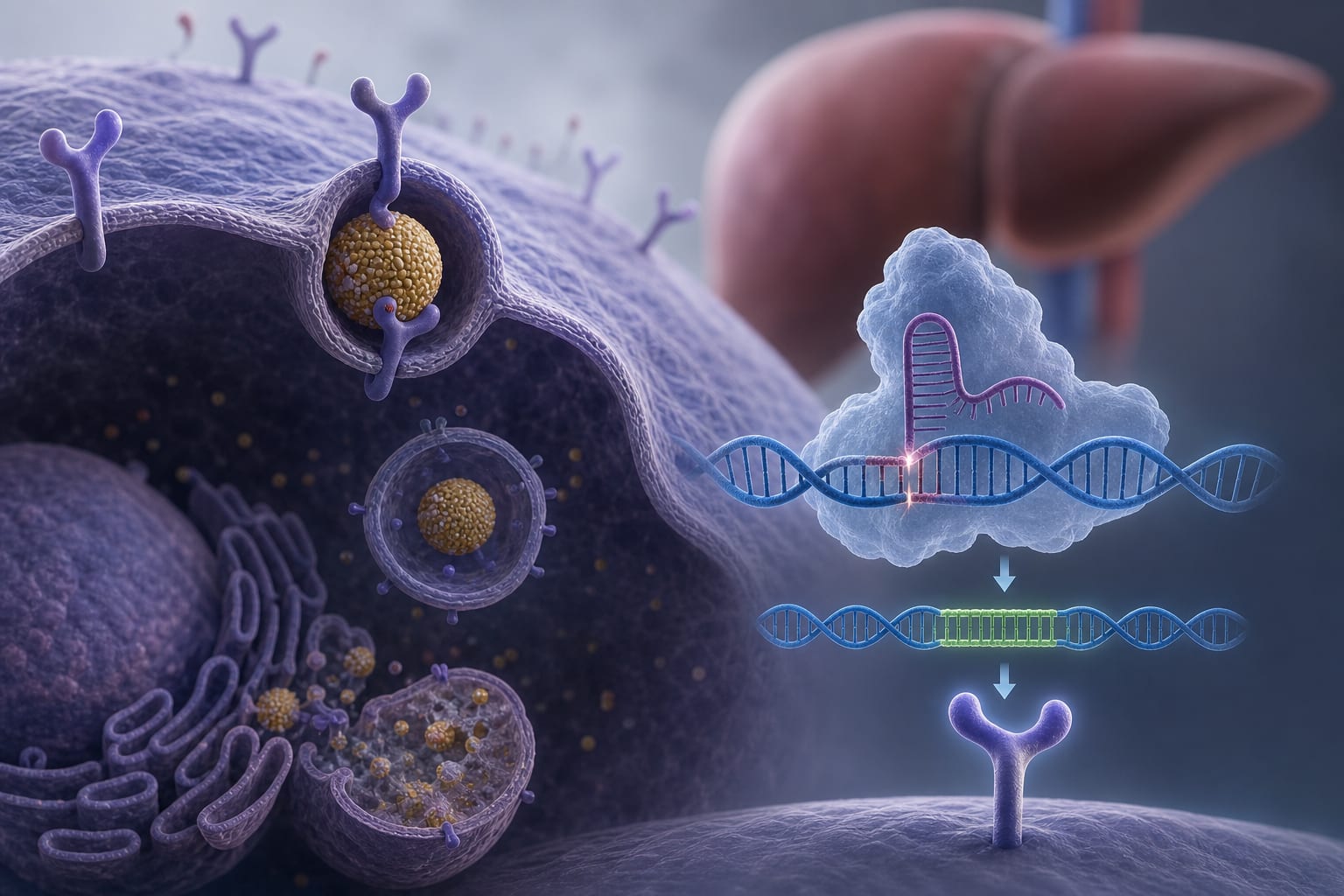
The gene editing system achieved approximately 98% correction efficiency, suggesting a promising avenue for future therapeutic interventions.
Interpretation:
LDLR c.331C>T is likely a pathogenic mutation that can be precisely corrected by prime editing technology, potentially improving treatment outcomes for affected individuals.
Limitations:
The study focuses on a single case, limiting generalizability.
Further validation in larger cohorts is necessary to confirm findings.
Long-term follow-up studies are needed to assess the durability of gene correction.
Conclusion:
The study expands the spectrum of likely pathogenic mutations in FH and suggests potential for personalized gene therapy in treating HoFH, addressing a significant gap in current clinical management.
Qualitative interviews identified four themes involving emergency challenges and response, teamwork, psychological stress and coping, and professional growth needs in trauma surgery.