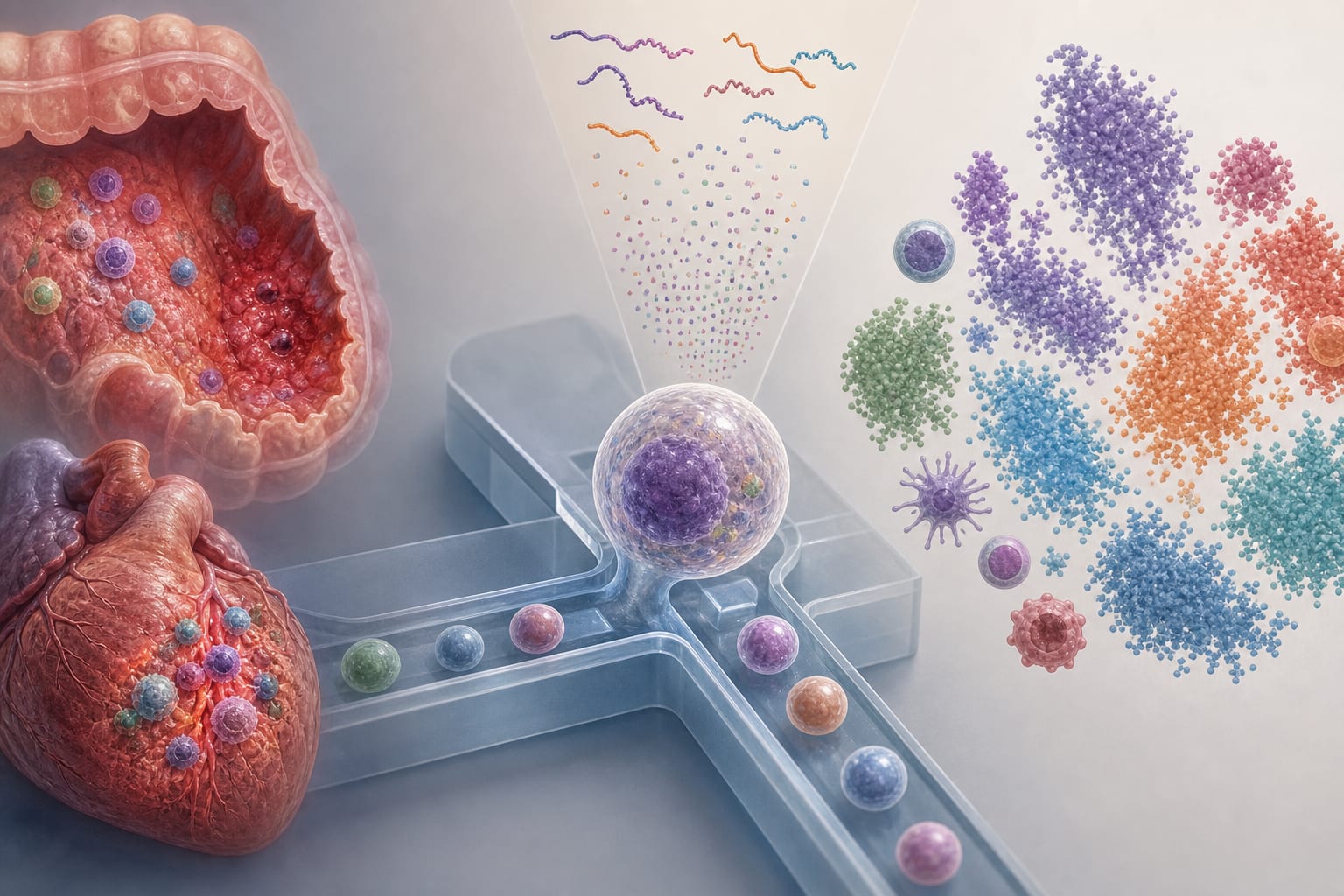
To summarize the clinical features, underlying mechanisms, and immune landscape of immune-related adverse events (irAEs) associated with immune checkpoint inhibitors (ICIs), particularly colitis and cardiotoxicity, emphasizing the importance of understanding these events.
Key Findings:
Colitis and myocarditis are irAEs that can compromise quality of life and therapeutic outcomes.
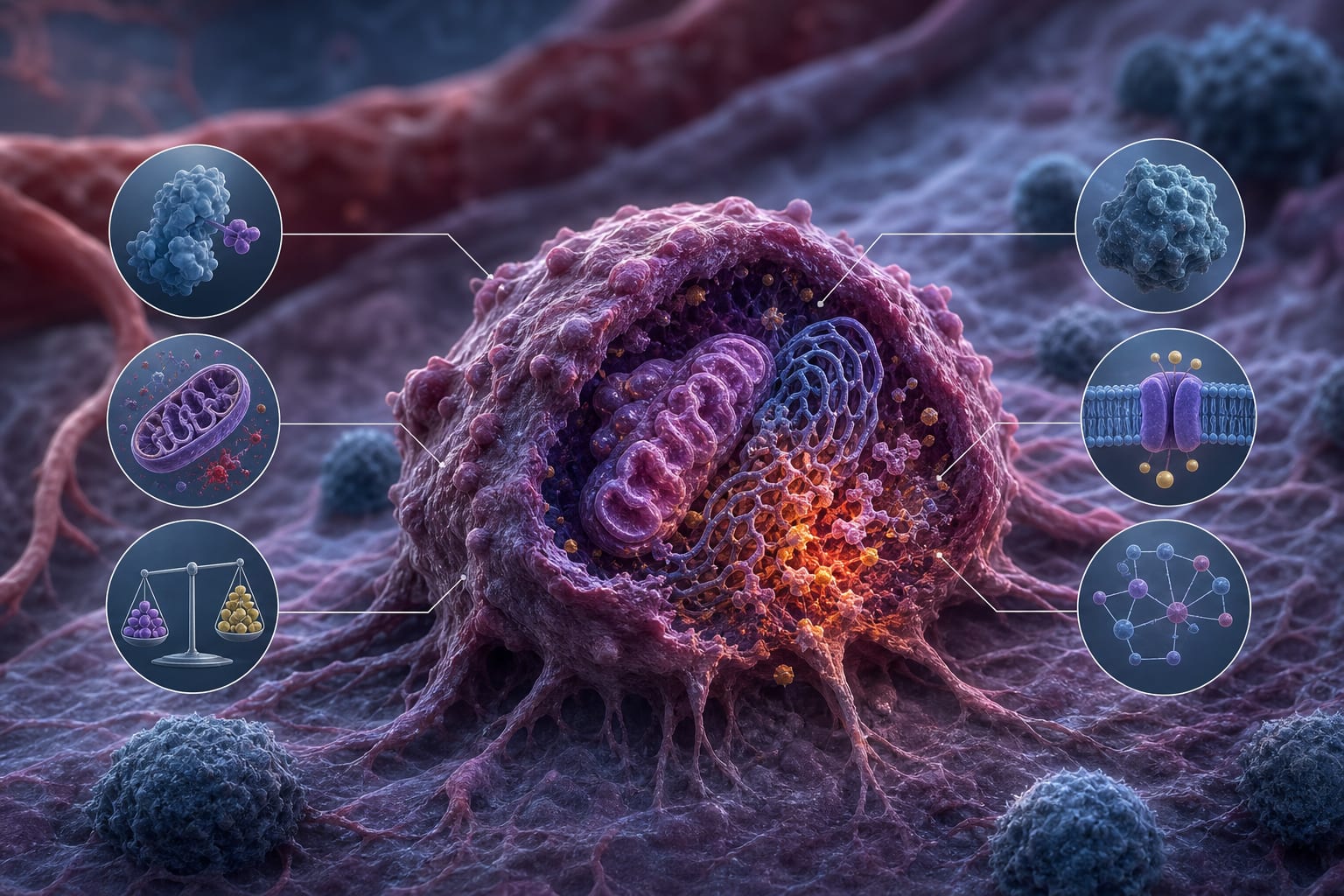
Shared mechanisms include T cell clonal expansion, IFN-γ/IL-1β-driven inflammatory circuits, and JAK-STAT signaling.
Colitis is influenced by microbiota-dependent regulation, while myocarditis involves autoantigen-initiated responses.
Single-cell technologies provide insights into irAE heterogeneity and potential therapeutic targets.
Interpretation:
The review emphasizes the role of single-cell transcriptomics in understanding immune heterogeneity and the mechanisms underlying irAEs.
Limitations:
The review primarily focuses on colitis and myocarditis, which may overlook other irAEs.
The complexity of immune responses and individual variability may limit the generalizability of findings.
Conclusion:
Single-cell RNA sequencing is a critical tool for elucidating the immunopathology of ICI-induced toxicity.