To characterize the alignment between pharmaceutical research investment and clinical therapeutic priorities for coronary heart disease (CHD) in China, emphasizing its significance for improving patient outcomes.
Key Findings:
CHD research output increased from 41 publications in 2006 to 353 in 2020, a 760% increase.
76.4% of trials were bioequivalence studies, with chemical pharmaceuticals dominating (78.6%) over traditional Chinese medicine (21.4%).
Calcium channel blockers comprised the largest drug category (45.9%).
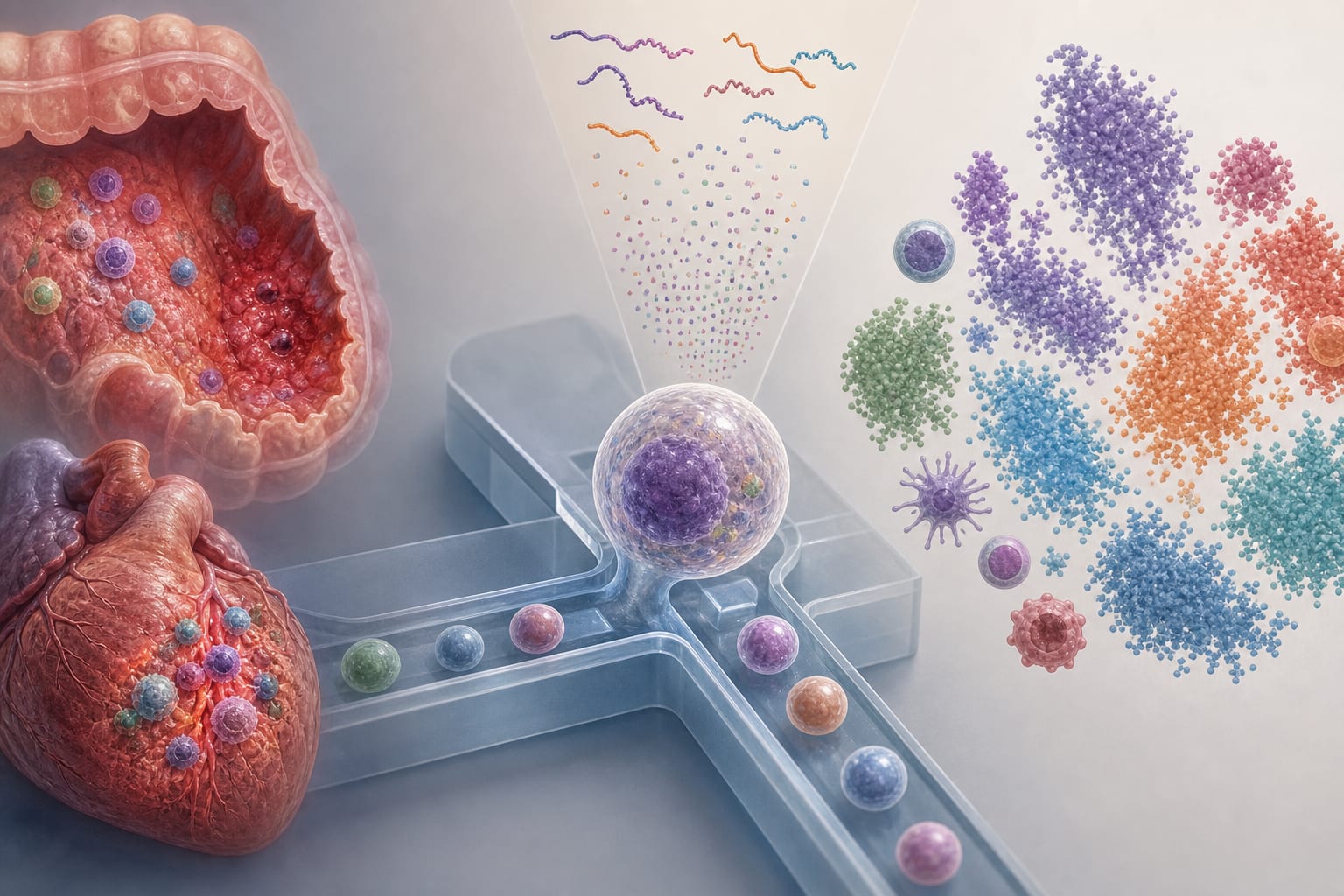
Genomic research focused on inflammatory biomarkers (25.8% of gene associations) while lipid metabolism targets were underrepresented (12.4%).
Publication venue prestige showed an inverse volume-impact correlation (19.7% in Q1 vs. 33.6% in Q3 journals).
Interpretation:
The research landscape for CHD in China is characterized by a focus on generic bioequivalence validation, with a lack of innovative therapeutic development and high-impact dissemination, highlighting the need for better alignment with clinical practice.
Limitations:
The study may not capture all relevant clinical trials due to the focus on specific databases, which could lead to incomplete findings.
Potential biases in publication and trial reporting may affect the findings and their interpretation.
Conclusion:
A strategic rebalancing towards lipid metabolism genomic discovery, Phase II-III novel drug trials, and Q1 journal publication is necessary to align research with clinical practice and global standards, emphasizing the importance of this alignment.