Case Report: Torque teno virus identified in pleural effusion of pediatric severe Mycoplasma pneumoniae pneumonia: diagnostic and therapeutic implications - Report - MDSpire
Advertisement
Case Report: Torque teno virus identified in pleural effusion of pediatric severe Mycoplasma pneumoniae pneumonia: diagnostic and therapeutic implications
Clinical Report: Identification of Torque Teno Virus in Pleural Effusion of Children
Overview
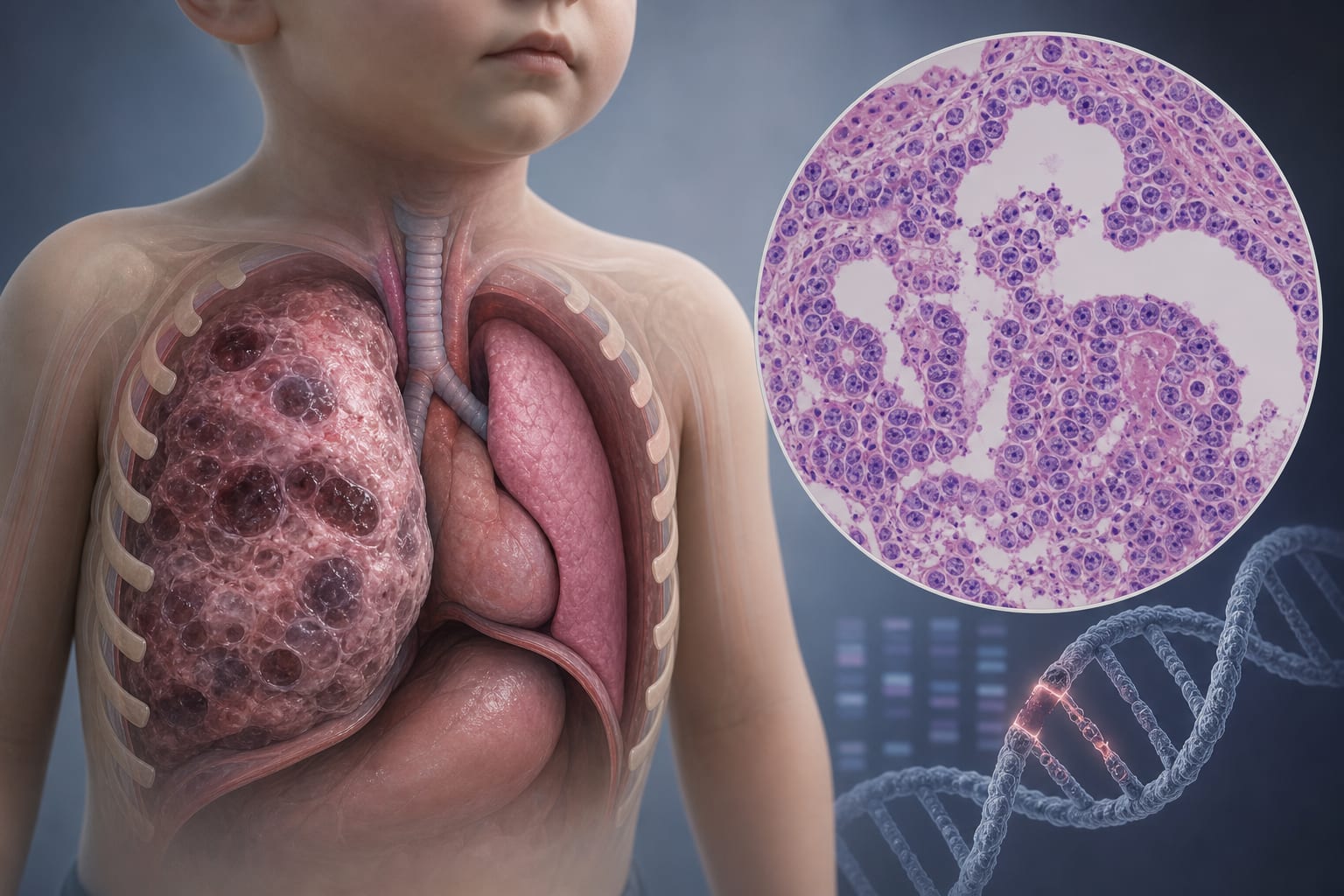
This report presents two pediatric cases of severe Mycoplasma pneumoniae pneumonia complicated by massive pleural effusion. Targeted next-generation sequencing revealed macrolide-resistant Mycoplasma pneumoniae and Torque teno virus, highlighting the need for advanced diagnostic methods in complex cases.
Background
Mycoplasma pneumoniae pneumonia (MPP) is a prevalent cause of community-acquired pneumonia in children, with a significant proportion developing pleural effusion. Severe cases pose diagnostic and therapeutic challenges, particularly when initial treatments fail. Understanding the role of unconventional pathogens like Torque teno virus may enhance clinical management and treatment outcomes.
Data Highlights
No numerical data available in the article.
Key Findings
Two pediatric cases of severe MPP with massive pleural effusion were reported.
Initial anti-mycoplasma therapy was ineffective, indicating potential unidentified pathogens.
Targeted next-generation sequencing identified macrolide-resistant Mycoplasma pneumoniae in both cases.
Torque teno virus was also detected, though its clinical significance remains uncertain.
Both patients recovered after closed thoracic drainage and adjusted treatment based on resistance findings.
The study suggests broader pathogen testing may improve diagnostic evaluation in complex infections.
Clinical Implications
Clinicians should consider the possibility of macrolide resistance in severe cases of MPP and utilize targeted pathogen testing to guide treatment decisions. The detection of Torque teno virus may serve as a biomarker for immune response rather than a direct pathogen, necessitating careful interpretation.
Conclusion
The identification of Torque teno virus alongside macrolide-resistant Mycoplasma pneumoniae underscores the complexity of diagnosing and treating severe pneumonia in children. Enhanced diagnostic approaches are essential for optimizing management strategies.