Clinical Report: Collaboration Between Humans and AI in Dysphagia Rehabilitation
Overview
This systematic review evaluates the effectiveness of AI-augmented swallowing rehabilitation in adults with oropharyngeal dysphagia, highlighting short-term gains in functional oral intake but noting significant barriers to implementation. The findings underscore the need for pragmatic trials and further research into sustained outcomes and diverse patient populations.
Background
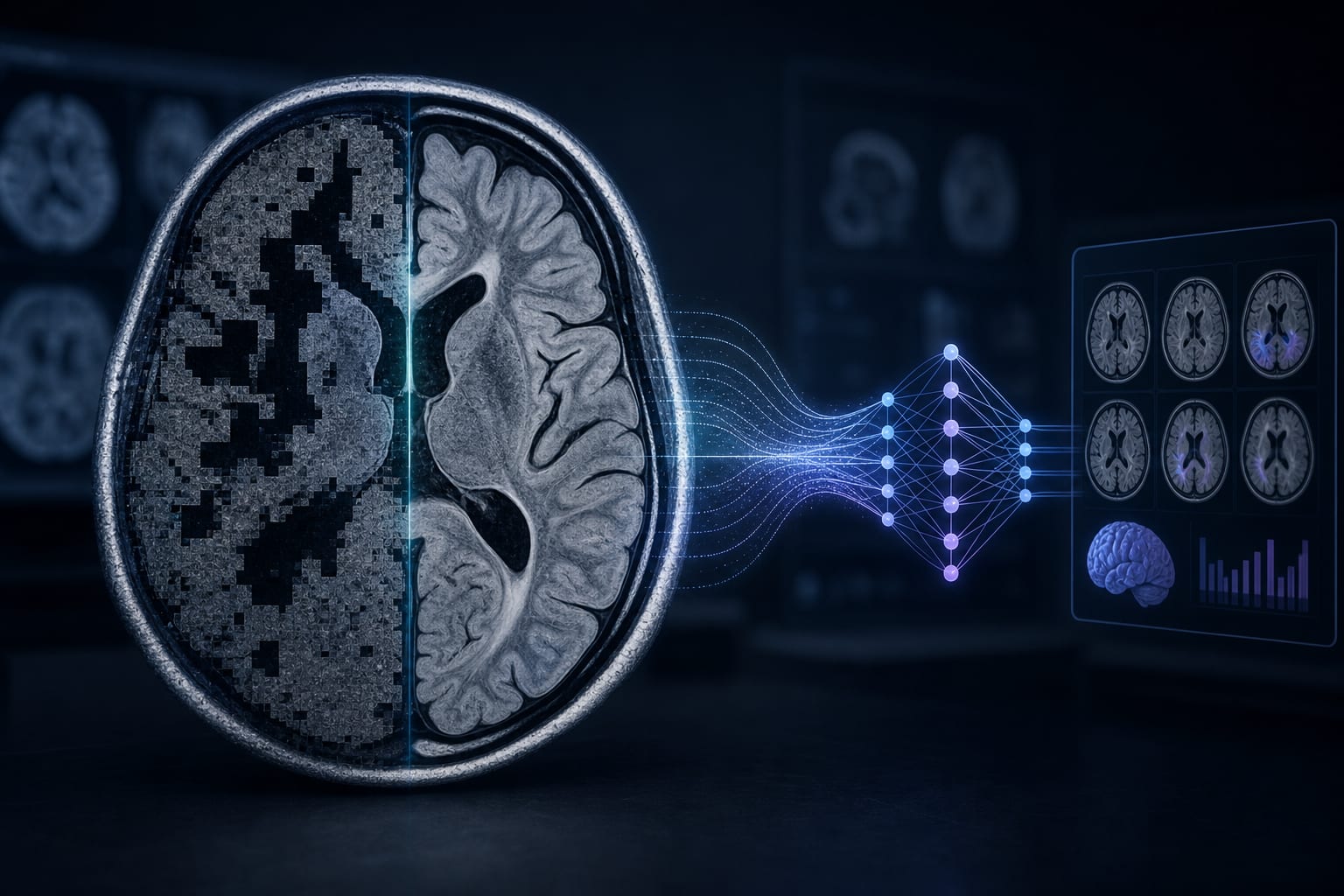
Oropharyngeal dysphagia affects a significant portion of neurological and oncological patients, leading to increased risks of aspiration pneumonia and malnutrition. The global shortage of qualified therapists exacerbates the challenge of providing adequate rehabilitation. Human–AI collaboration in rehabilitation may offer a solution, enhancing treatment accessibility while maintaining clinical oversight.
Data Highlights
Study Type
Participants
Findings
Systematic Review
31 studies (1012 participants)
Short-term gains in functional oral intake and physiological measures
Key Findings
AI-augmented interventions show moderate/low certainty in improving short-term swallowing outcomes.
Effects of AI interventions diminish within weeks after cessation of therapy.
Adherence to AI interventions declines sharply without clinician supervision.
Digital literacy and cognitive impairment are significant barriers to AI adoption in dysphagia rehabilitation.
AI algorithm performance validation is primarily limited to healthy volunteers.
Clinical Implications
Clinicians should consider the potential of AI tools to enhance dysphagia rehabilitation while remaining aware of the limitations and barriers to implementation. Ongoing supervision and support are crucial for maintaining patient adherence and achieving sustained outcomes.
Conclusion
The integration of AI in dysphagia rehabilitation presents opportunities for improved patient outcomes, but further research is necessary to address implementation challenges and validate effectiveness across diverse populations.