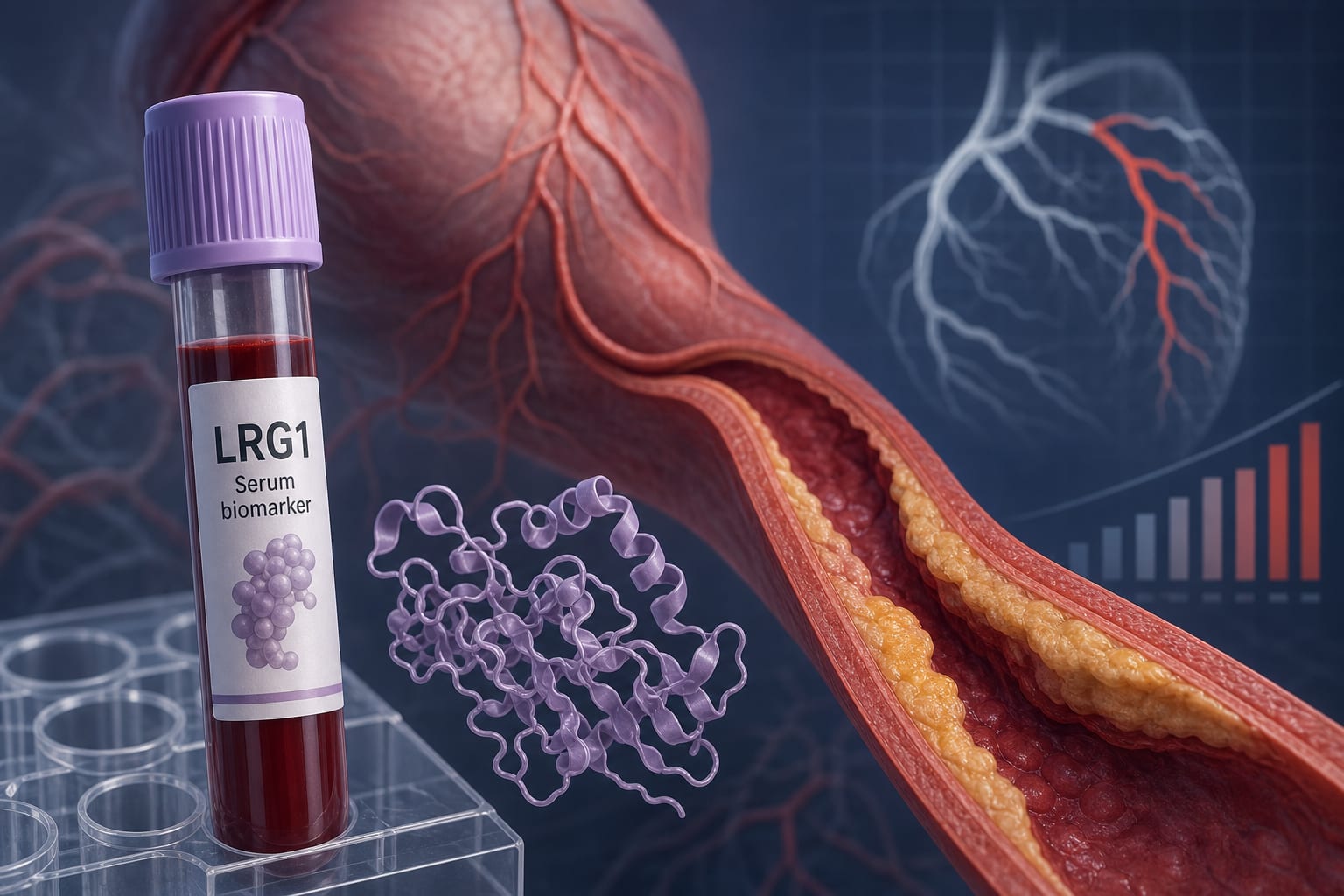
Clinical Report: Ferroptosis and Pyroptosis Induced by OxLDL in Atherosclerosis
Overview
This review highlights the role of oxidized low-density lipoprotein (oxLDL) in inducing ferroptosis and pyroptosis, two regulated cell death mechanisms that contribute to atherosclerosis progression. The interplay between these pathways amplifies vascular inflammation and presents potential therapeutic targets for managing residual cardiovascular risk.
Background
Atherosclerotic cardiovascular disease (ASCVD) remains a leading cause of mortality globally, with significant residual risk even in patients with controlled LDL cholesterol levels. Understanding the mechanisms of cell death, particularly ferroptosis and pyroptosis induced by oxLDL, is crucial for developing new therapeutic strategies aimed at reducing inflammation and improving patient outcomes.
Data Highlights
No numerical data or trial data presented in the article.
Key Findings
OxLDL triggers ferroptosis and pyroptosis, contributing to plaque instability in atherosclerosis.
Ferroptosis is characterized by iron-dependent lipid peroxidation and is suppressed by glutathione peroxidase 4 (GPX4).
Pyroptosis is mediated by inflammasome-activated gasdermin D (GSDMD), leading to inflammatory cytokine release.
There is significant crosstalk between ferroptosis and pyroptosis, establishing a positive feedback loop that enhances vascular inflammation.
Targeting these cell death pathways may offer new therapeutic strategies to address residual inflammatory risk in ASCVD.
Clinical Implications
Clinicians should consider the roles of ferroptosis and pyroptosis in the inflammatory processes of atherosclerosis when developing treatment plans. Targeting these pathways may provide additional strategies to mitigate residual cardiovascular risk beyond traditional lipid-lowering therapies.
Conclusion
The integrated understanding of ferroptosis and pyroptosis in the context of oxLDL-induced inflammation offers promising avenues for therapeutic intervention in atherosclerotic cardiovascular disease.
A prespecified exploratory analysis of the FIND-CKD clinical trial examined kidney function, albuminuria, and kidney failure outcomes in 903 patients with glomerular diseases.