Hippocampal neuronal hypoexcitability contributes to PTSD-like phenotypes in the experimental autoimmune encephalomyelitis model - Report - MDSpire

Hippocampal neuronal hypoexcitability contributes to PTSD-like phenotypes in the experimental autoimmune encephalomyelitis model

  • By

  • Xinghua Zhong

  • Han Zhang

  • Jieying Xie

  • Yang Gao

  • Honghao Wang

  • Yu Peng

  • Feng Yi

  • Jinyu Chen

  • May 20, 2026

  • 0 min

Share

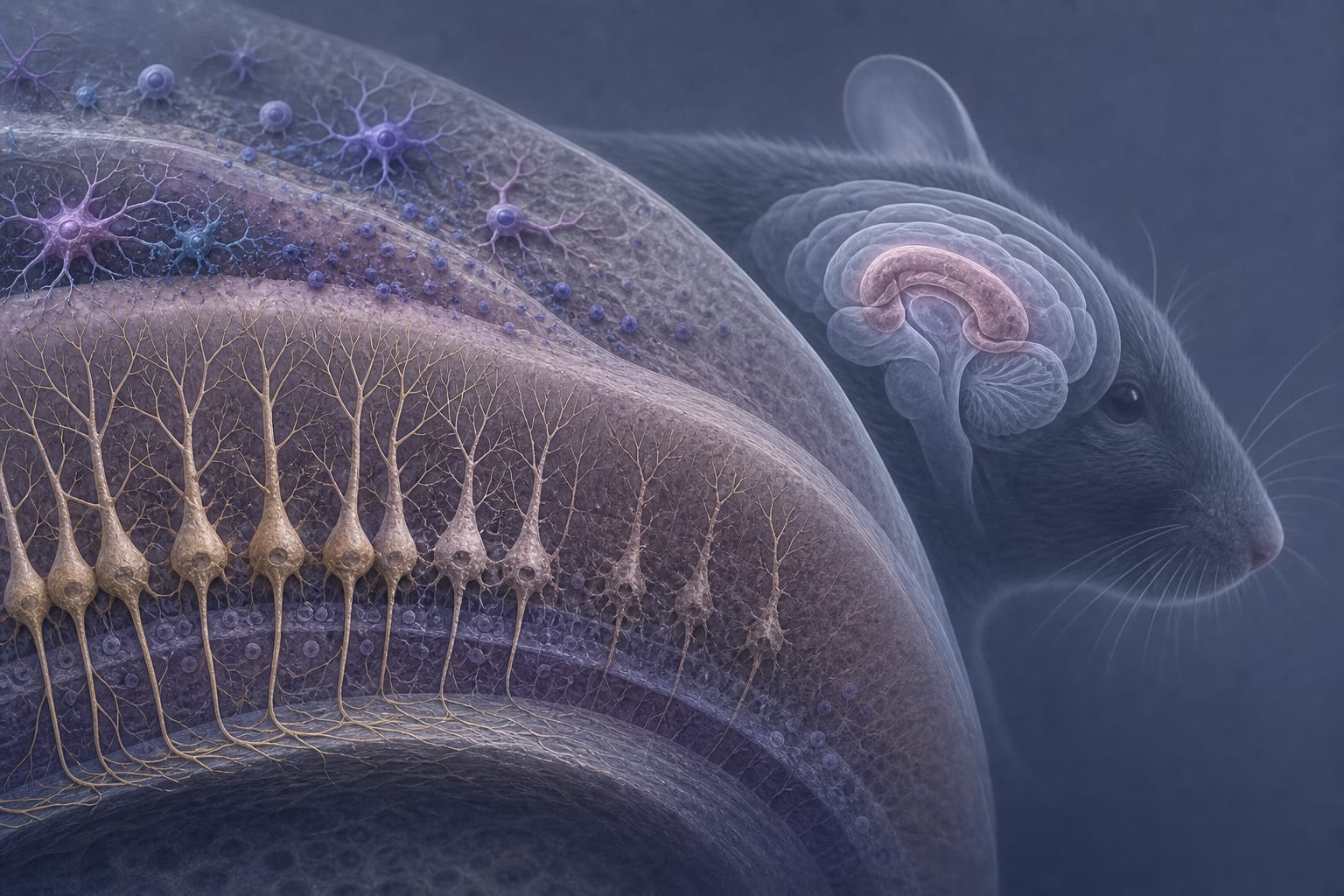
Reduced excitability of hippocampal neurons plays a role in PTSD-like characteristics

Overview

This study identifies reduced excitability of hippocampal neurons as a contributing factor to PTSD-like symptoms in a mouse model of multiple sclerosis. The findings suggest that neuroinflammation and structural changes in the hippocampus may underlie these symptoms, highlighting potential therapeutic targets.

Background

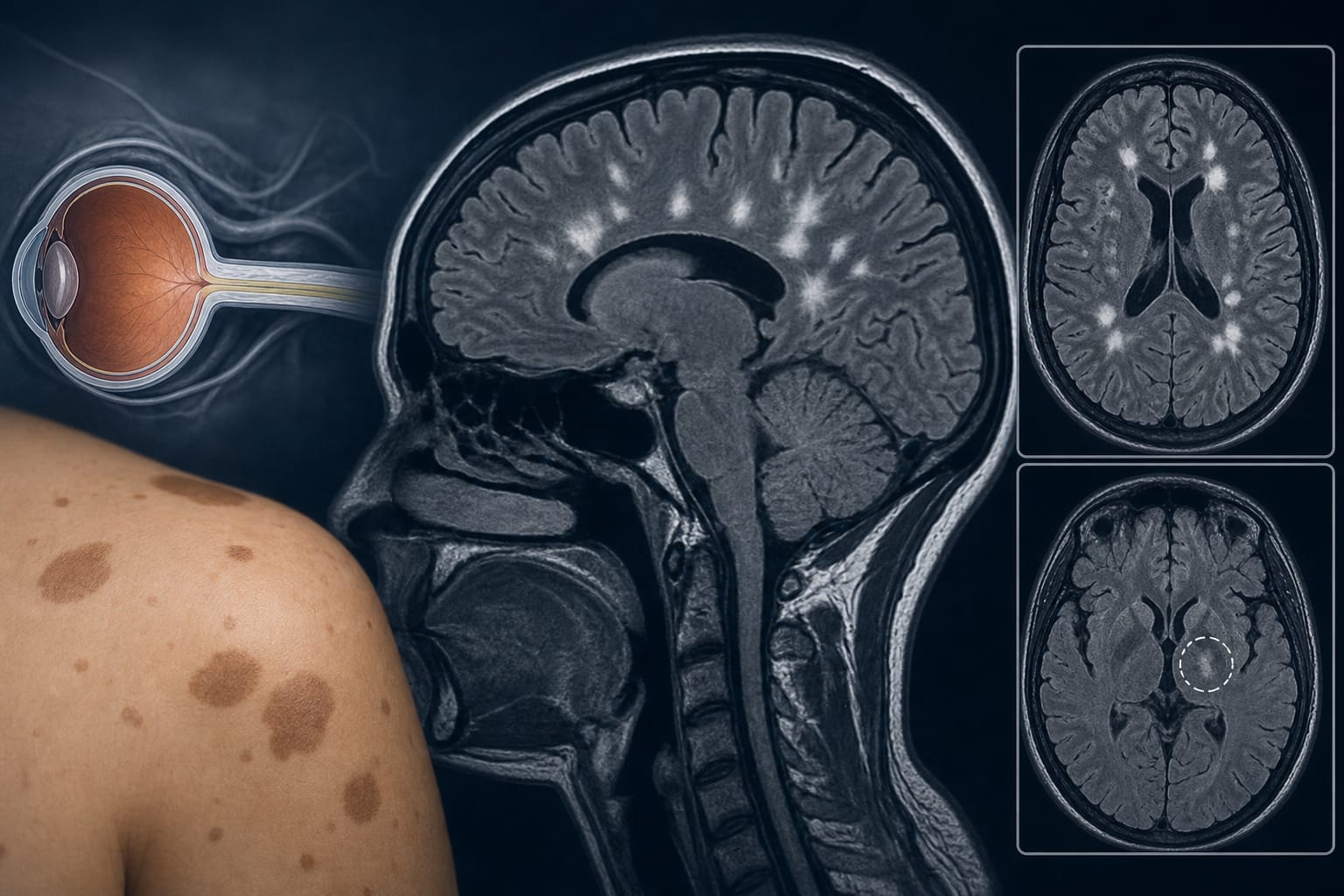
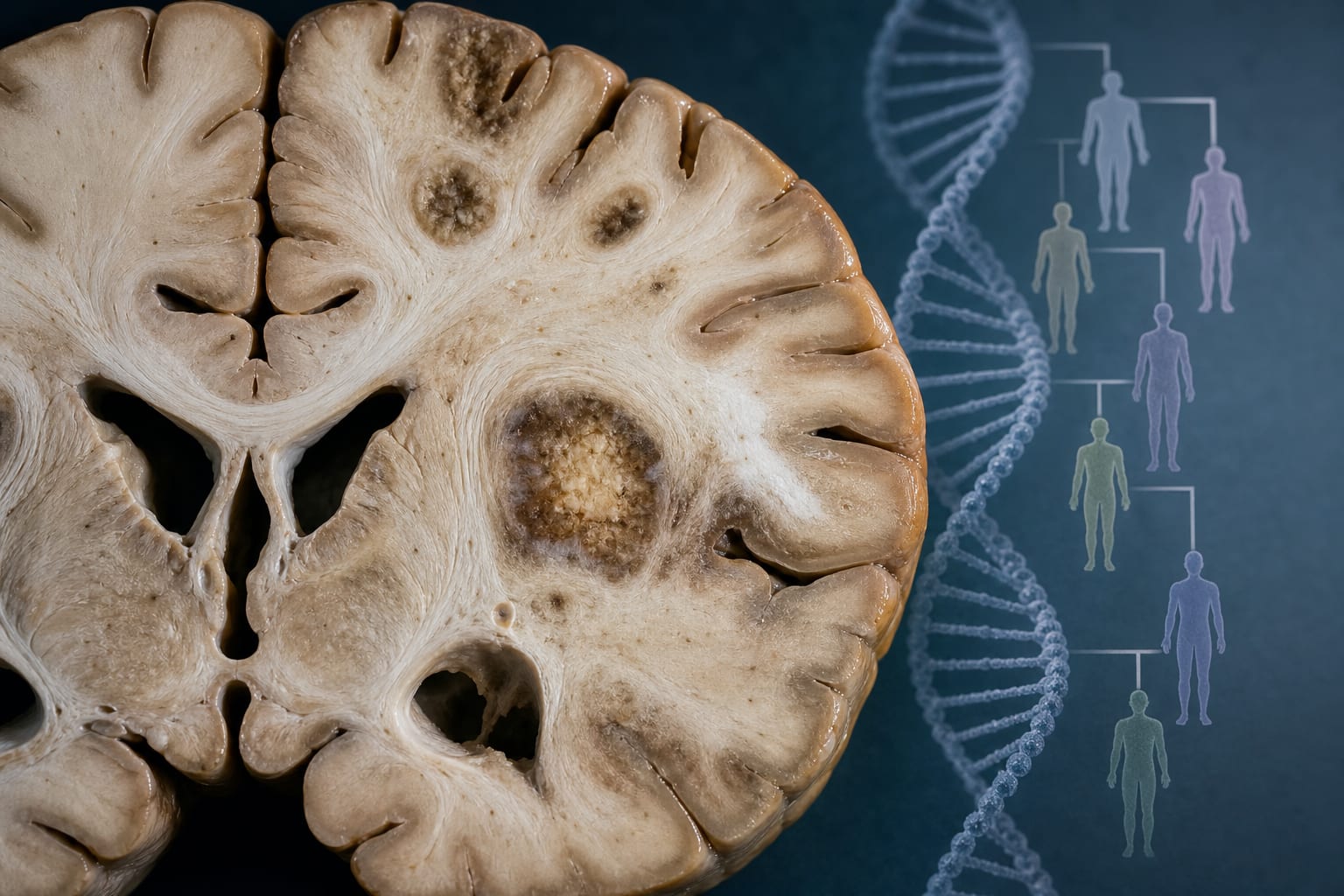
Multiple sclerosis (MS) is associated with significant neuropsychiatric symptoms, including PTSD-like characteristics, affecting a substantial portion of patients. Understanding the neural mechanisms linking MS and PTSD is crucial for developing targeted interventions. The hippocampus, particularly its dorsal region, is implicated in both conditions, making it a key area of study.

Data Highlights

Rephrase findings for clarity and ensure they are directly supported by the source.

Key Findings

  • EAE model mice displayed impaired fear extinction and contextual fear generalization.
  • CA1 pyramidal neurons showed significant somatic atrophy and reduced firing gain.
  • Chemogenetic reactivation of CA1 neurons ameliorated extinction deficits.
  • Single-nucleus RNA sequencing indicated a neuroimmune-like transcriptional shift in CA1 excitatory neurons.
  • Neuroinflammation was linked to structural and functional impairments in the hippocampus.

Clinical Implications

These findings suggest that addressing hippocampal excitability may be a viable therapeutic strategy for MS patients experiencing PTSD-like symptoms. Clinicians should consider the neurobiological underpinnings of PTSD in MS when developing treatment plans.

Conclusion

The study establishes a connection between hippocampal dysfunction and PTSD-like symptoms in MS, indicating that enhancing hippocampal excitability could offer new therapeutic avenues.

Related Resources & Content

  1. Acta Neuropathologica — Experimental Models of Multiple Sclerosis: Bridging Theory and Clinical Reality
  2. Brain — Neuro-immunobiology and treatment assessment in a mouse model of anti-NMDAR encephalitis
  3. Acta Neuropathologica — Hyperphosphorylated tau impairs excitability in hippocampal CA1 neurons by altering the axon initial segment's position
  4. Frontiers in Psychiatry — Precision phenotyping of elevated arousal in posttraumatic stress disorder: implications for personalized GABAergic pharmacotherapy
  5. A systematic literature review of the association between global brain atrophy and the Expanded Disability Status Scale score in people with multiple sclerosis - PMC
  6. Management of Posttraumatic Stress Disorder and Acute Stress Disorder 2023 - VA/DOD Clinical Practice Guidelines
  7. Emerging evidence on MS and PTSD
  8. Management of Posttraumatic Stress Disorder and Acute Stress Disorder 2023 - VA/DOD Clinical Practice Guidelines
  9. Reduced cerebello-thalamo-cortical functional connectivity during traumatic memory retrieval in PTSD | Nature Mental Health

Original Source(s)

Related Content