Cognitive Performance, Biomarkers, and Longevity in Individuals Aged 100 and Over
Overview
This study investigates the relationship between blood biomarkers and cognitive function in centenarians, highlighting the role of neurofilament light chain (NfL) as a significant marker. Findings suggest that NfL levels are associated with both cognitive performance and mortality risk in this unique population.
Background
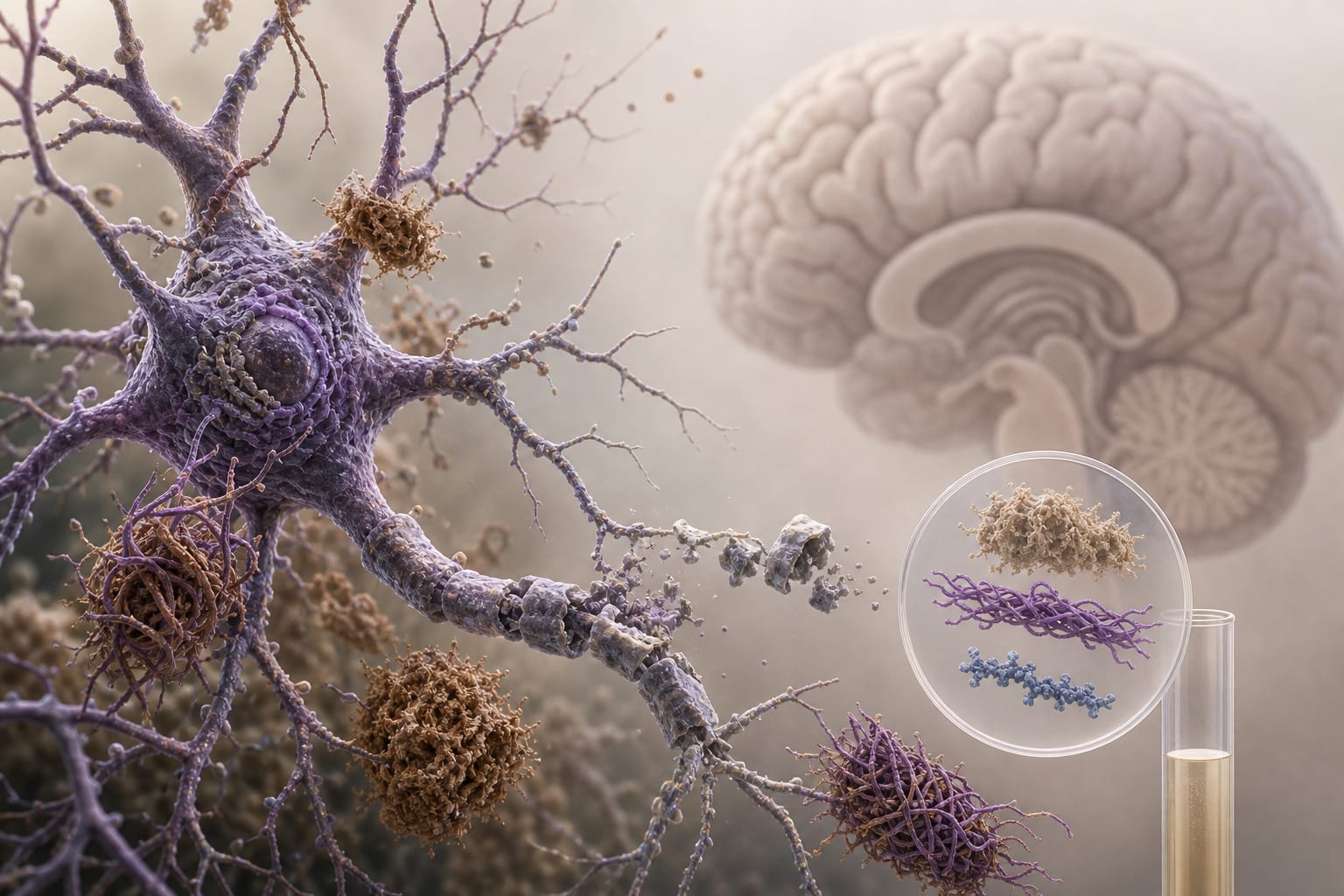
Understanding cognitive decline and its biomarkers is crucial as the population of centenarians grows. Traditional markers like amyloid-β and phosphorylated tau have limitations in predicting cognitive outcomes in the oldest individuals. This study aims to explore the associations of novel biomarkers with cognitive function and mortality in centenarians, providing insights into aging processes.
Data Highlights
The study analyzed data from 495 centenarians, focusing on the correlation between NfL levels and cognitive function alongside traditional biomarkers.
Key Findings
NfL levels are significantly associated with cognitive function in centenarians.
Traditional biomarkers like amyloid-β and phosphorylated tau181 have limited predictive power for cognitive decline in this age group.
Comprehensive assessments of physical and cognitive function are critical for understanding mortality risk in centenarians.
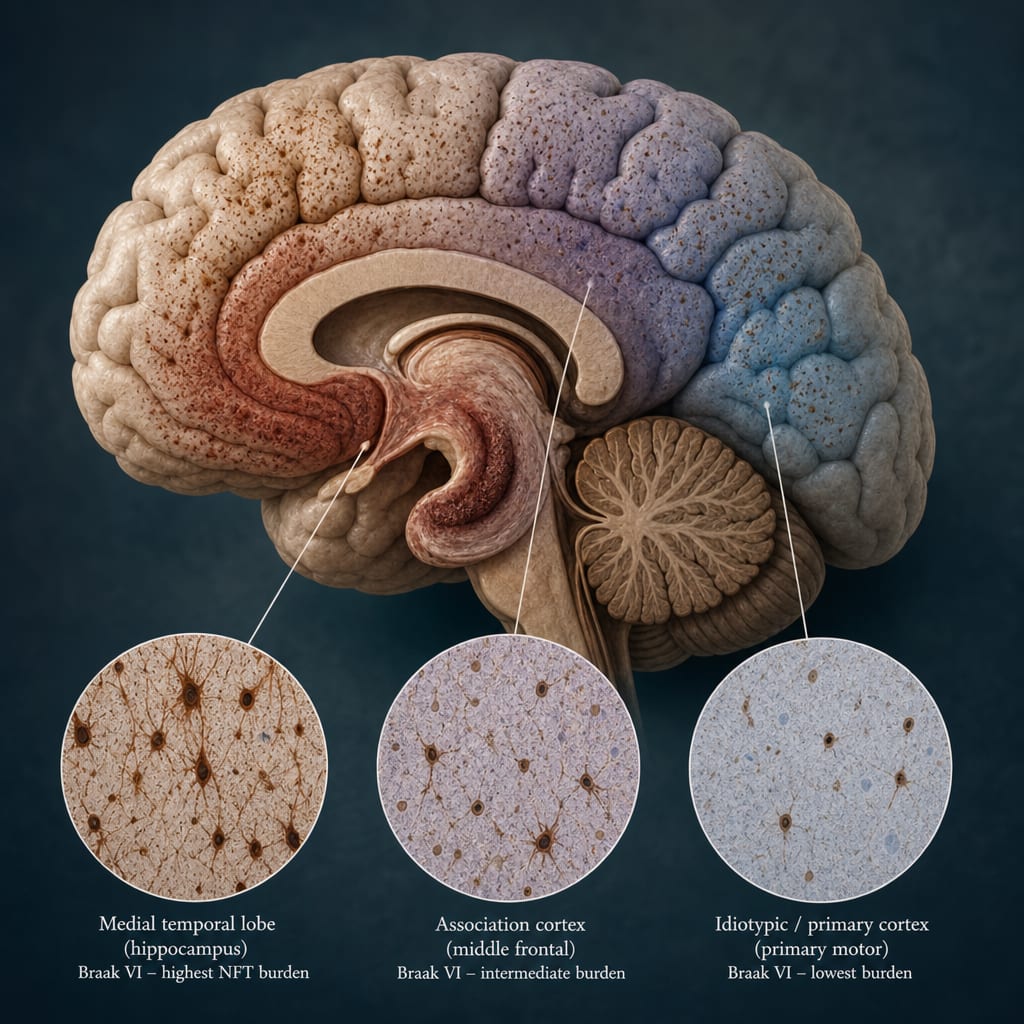
Centenarians can exhibit preserved cognitive function despite high levels of amyloid-β and phosphorylated tau.
Blood-based biomarkers may provide valuable insights into neurodegenerative processes in super-aged populations.
Clinical Implications
Clinicians should consider the use of NfL levels as a potential biomarker for assessing cognitive function and mortality risk in centenarians. A comprehensive evaluation of both cognitive and physical health is essential for effective management of this population.
Conclusion
The study underscores the importance of identifying reliable biomarkers for cognitive function and mortality in centenarians, suggesting that NfL may play a pivotal role in future assessments.