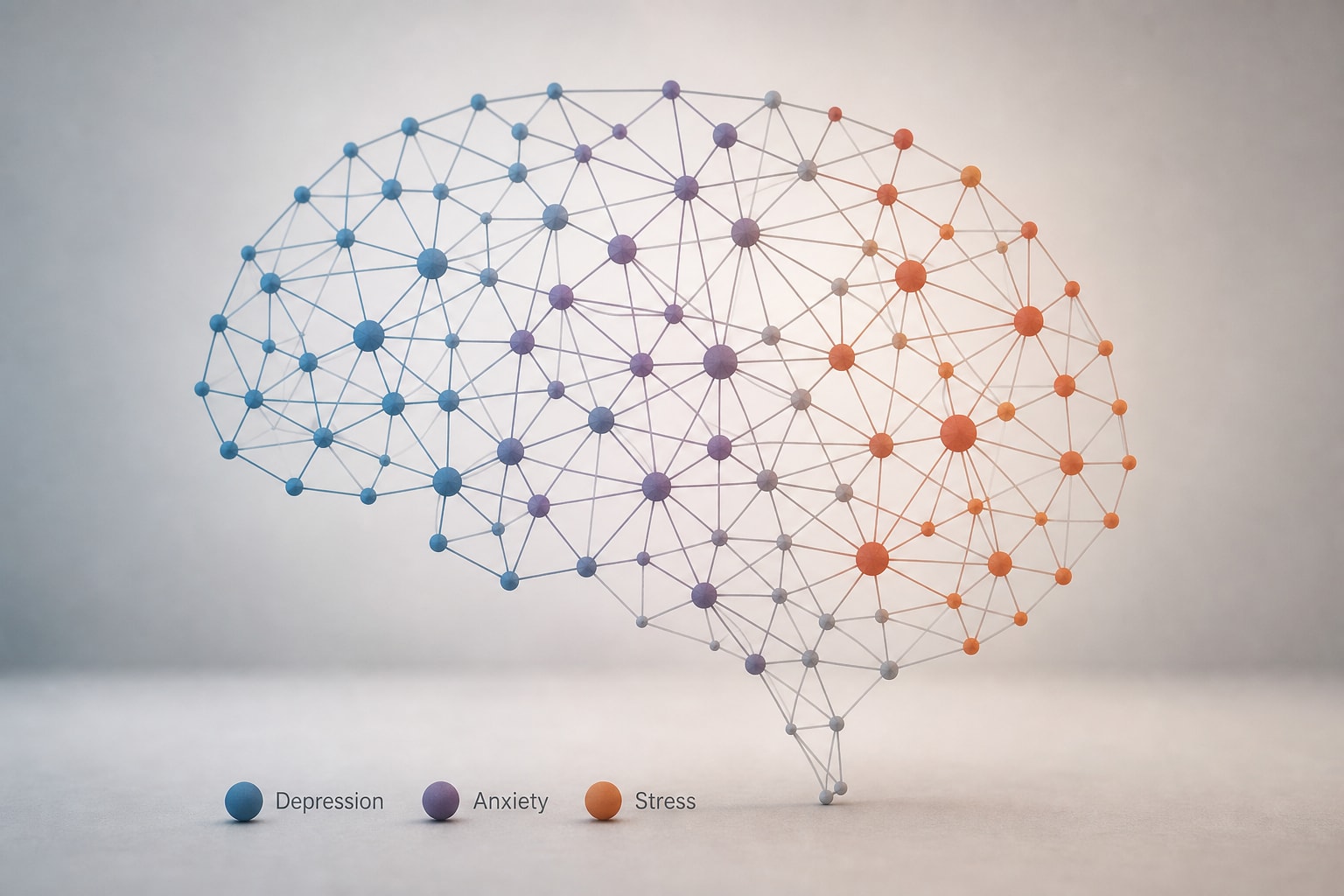
Clinical Report: The Impact of T. gondii from Felines on Psychotic Disorders
Overview
This review explores the potential link between T. gondii infection from cat ownership and the risk of psychotic, depressive, and anxiety disorders. While some epidemiological studies suggest associations, the evidence remains inconsistent, highlighting the need for further research.
Background
The relationship between infectious diseases and mental health is an emerging area of interest, particularly regarding Toxoplasma gondii, a parasite transmitted primarily through cats. Understanding this link is crucial as it may provide insights into the biological and environmental factors influencing mental health outcomes. Given the high prevalence of T. gondii globally, its potential impact on psychiatric conditions warrants careful examination.
Data Highlights
Remove placeholder text and summarize key findings with numerical data if available.
Key Findings
T. gondii can establish lifelong latent infections in the brain, potentially affecting mood and cognition.
Seropositivity for T. gondii has been associated with increased rates of schizophrenia.
Evidence linking cat ownership to psychiatric disorders is inconsistent, with some studies showing elevated odds while others find null effects.
Proposed mechanisms include neuroinflammation and alterations in dopaminergic signaling.
Methodological limitations in studies examining these associations highlight the need for more rigorous research.
Clinical Implications
Healthcare professionals should be aware of the potential psychiatric implications of T. gondii infection, particularly in patients with cat exposure. However, the inconsistent evidence regarding cat ownership as a risk factor for mental health disorders suggests that further investigation is necessary before drawing definitive conclusions.
Conclusion
The review underscores the complexity of the relationship between T. gondii and psychiatric disorders, emphasizing the need for more comprehensive studies to clarify these associations and their underlying mechanisms.