Predictive Factors for Pain in Breast Cancer Survivors on Aromatase Inhibitors
Overview
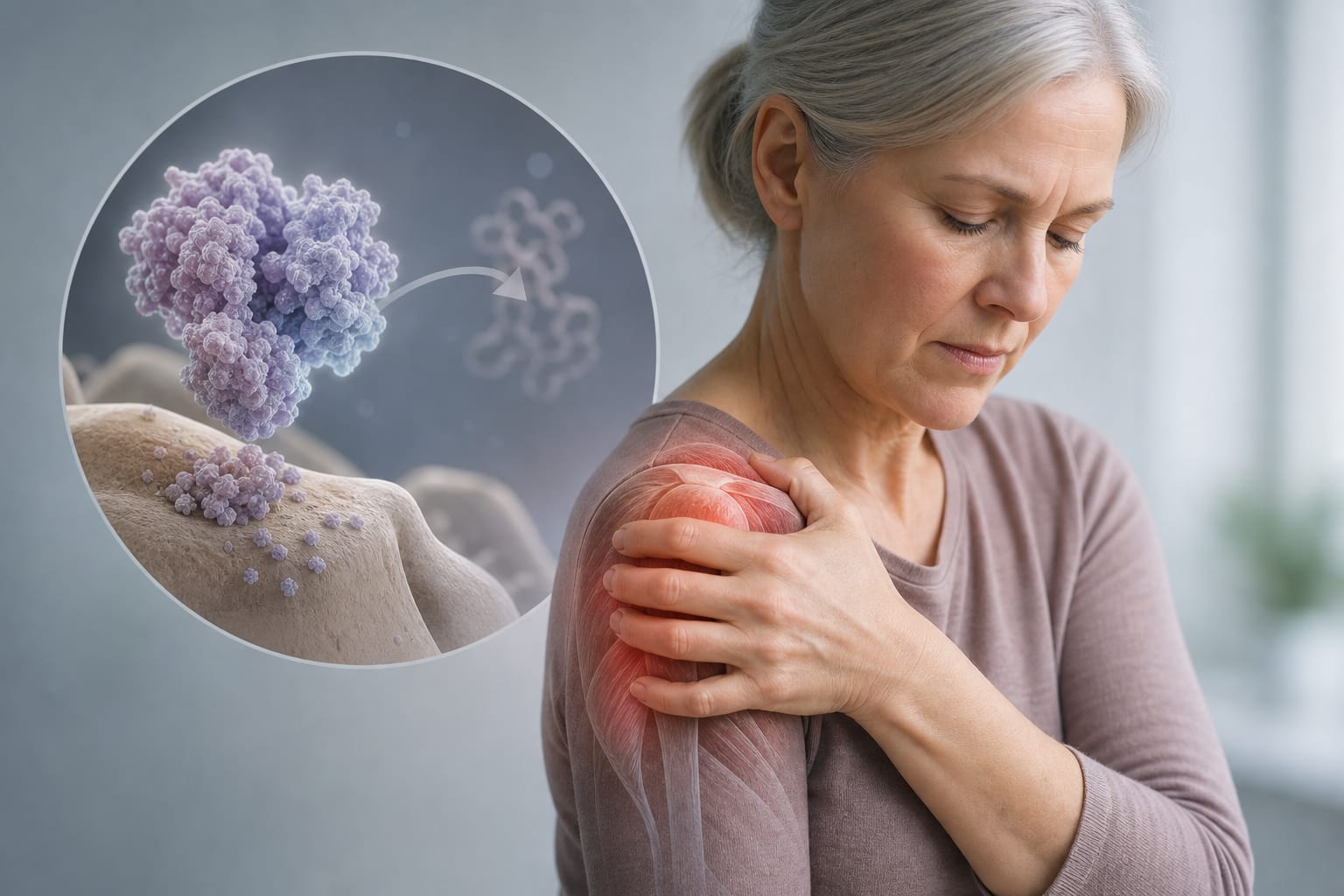
This study identifies key predictors of pain severity in breast cancer survivors on aromatase inhibitors, highlighting the impact of sleep quality, physical functioning, and social support. Understanding these factors can inform targeted interventions to manage pain effectively.
Background
Breast cancer is the most commonly diagnosed cancer in women, with significant survival improvements due to better treatments. However, many survivors experience musculoskeletal pain, particularly those on aromatase inhibitors, which can lead to treatment discontinuation and negatively affect quality of life. Identifying predictors of pain is crucial for improving management strategies and patient outcomes.
Data Highlights
Predictor
Baseline Pain
4-Month Pain
Change Scores
Partner Status
95% CI: 0.220, 1.868, p = 0.014
-
95% CI: -0.825, -0.057, p = 0.025
Sleep Quality
95% CI: -1.694, -0.615, p < 0.000
95% CI: -1.095, -0.054, p = 0.031
-
Timed-up-and-go Test
95% CI: 0.002, 1.185, p = 0.049
-
-
Chest Press Strength
-
95% CI: -0.231, -0.032, p = 0.010
-
Physical Activity Counseling Group
-
95% CI: 0.324, 2.155, p = 0.008
95% CI: 0.183, 1.068, p = 0.006
Key Findings
Having a partner is associated with lower baseline pain intensity.
Diminished sleep quality is a significant predictor of increased pain at baseline and at 4 months.
Increased duration on the Timed-up-and-go test correlates with higher baseline pain intensity.
Reduced chest press strength predicts heightened pain at 4 months.
Participation in a brief physical activity counseling group is linked to increased pain intensity over time compared to an exercise group.
Clinical Implications
Healthcare providers should assess social support and sleep quality in breast cancer survivors on aromatase inhibitors to better manage pain. Tailored interventions focusing on physical functioning and psychological support may enhance treatment adherence and improve quality of life.
Conclusion
The study emphasizes the multifaceted nature of pain in breast cancer survivors, highlighting the need for comprehensive approaches to pain management that consider biopsychosocial factors.