Exercise rejuvenates the “muscle-heart” crosstalk: skeletal muscle-derived exosomal miRNAs in cardiac aging - Report - MDSpire

Exercise rejuvenates the “muscle-heart” crosstalk: skeletal muscle-derived exosomal miRNAs in cardiac aging

  • By

  • Ruibin Jing

  • Xue Pang

  • Xiaona Zhu

  • Sibao Huang

  • Xing Gao

  • July 13, 2026

Share

Clinical Report: Physical Activity Enhances Communication Between Skeletal Muscle and Heart

Overview

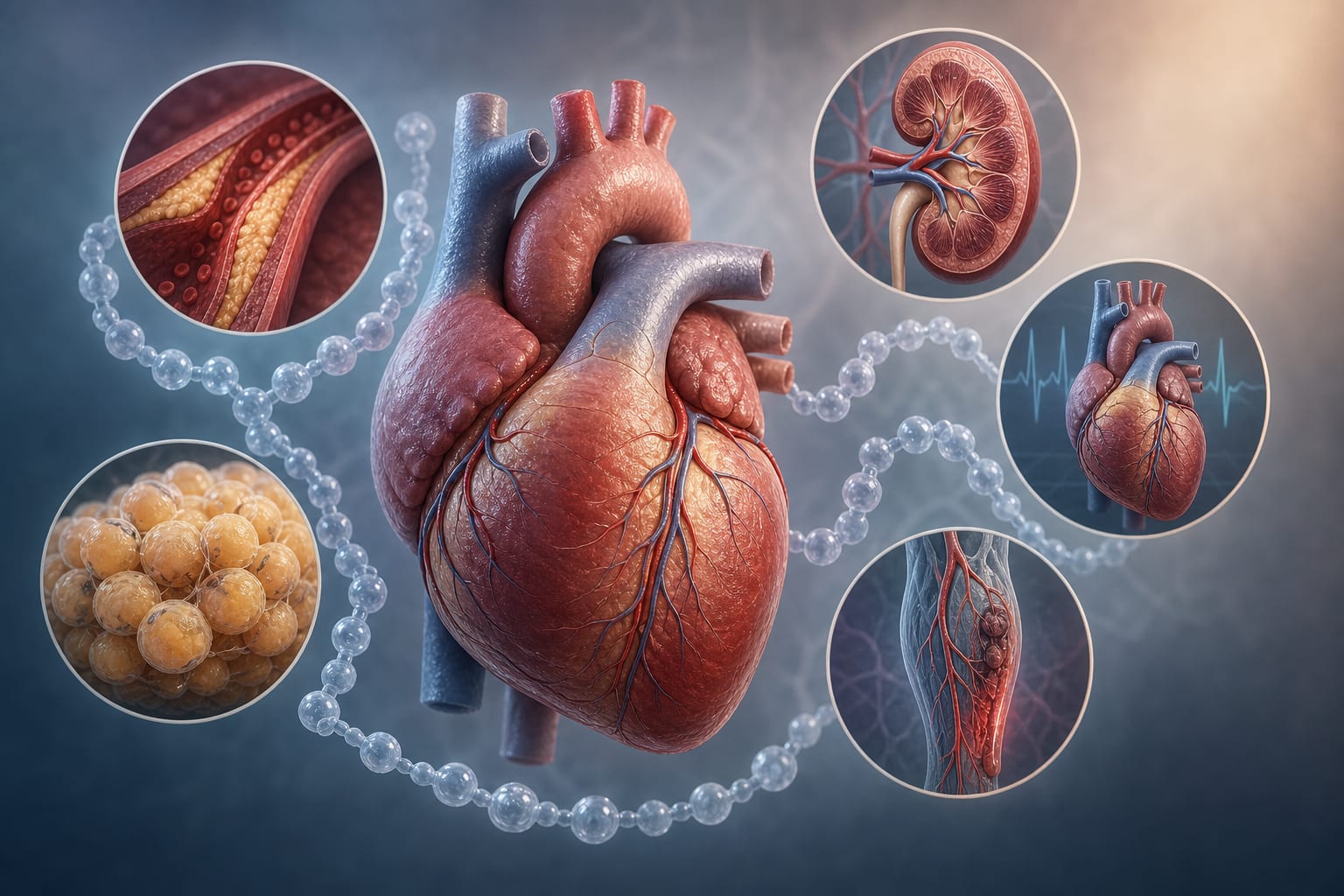
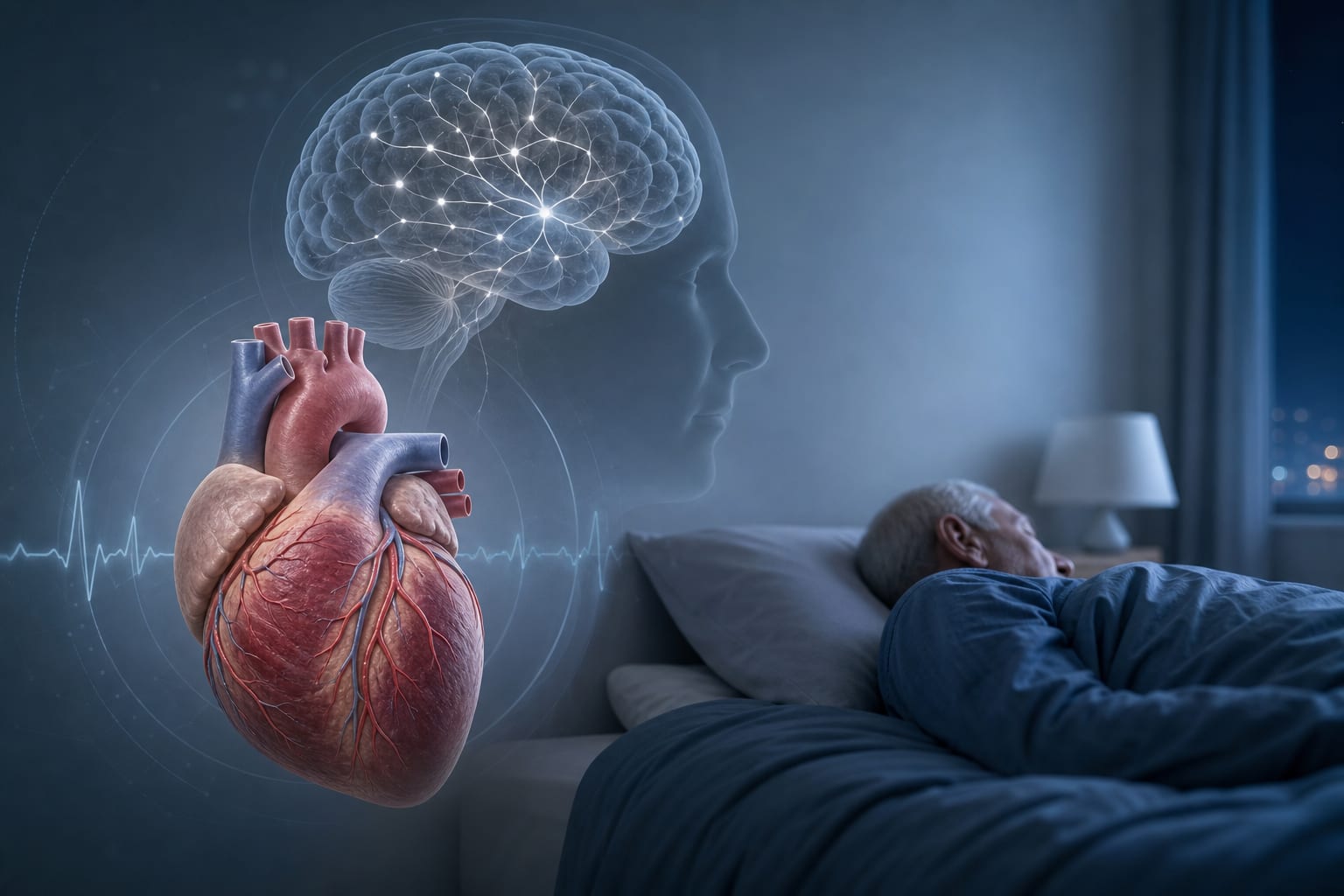
This systematic review highlights the role of skeletal muscle-derived extracellular vesicles (SkM-EVs) and microRNAs (miRNAs) in cardiac aging, emphasizing how exercise can reverse changes associated with aging and sarcopenia. Regular physical activity enhances inter-organ communication.

Background

The intersection of sarcopenia and age-related heart failure poses significant health challenges globally. Understanding the role of skeletal muscle in cardiac health is crucial.

Data Highlights

This review incorporates findings from 51 rigorous in vivo and clinical studies, mapping the SkM-EV and miRNA axis in cardiac aging.

Key Findings

  • Aging and sarcopenia trigger the release of senescence-associated extracellular vesicles (EVs) that propagate cardiac inflammaging.
  • Regular exercise stimulates the release of exercise-conditioned EVs enriched with cardioprotective myomiRs.
  • Muscle-derived miR-34a increases with age and induces senescence in recipient stem cells.
  • Exercise acts as an epigenetic switch, reversing structural myocardial remodeling.
  • Targeting the SkM-EV axis may lead to novel liquid biopsies for sarcopenic cardiomyopathy.

Clinical Implications

Understanding the role of SkM-EVs and miRNAs in cardiac aging can inform strategies for managing sarcopenic cardiomyopathy.

Conclusion

This review highlights the role of skeletal muscle in cardiac health and the potential of exercise to improve inter-organ communication.

Related Resources & Content

  1. Author(s)/Org, Source, Year -- Title
  2. Author(s)/Org, Source, Year -- Title
  3. Author(s)/Org, Source, Year -- Title
  4. conexiant — Older and Stronger, Live Longer?
  5. Older Adult Activity: An Overview | Physical Activity Basics | CDC
  6. Exercise in High-Risk Populations - Professional Heart Daily | American Heart Association
  7. A focus shift from sarcopenia to muscle health in the Asian Working Group for Sarcopenia 2025 Consensus Update | Nature Aging
  8. https://academic.oup.com/eurheartj/article/46/Supplement_1/ehaf784.1309/8310436
  9. Impact of exercise training on exercise tolerance, cardiac function and quality of life in individuals with heart failure and preserved ejection fraction: a systematic review and meta-analysis - PubMed
  10. Frontiers | The effects of combined endurance and resistance exercise training in heart failure: a meta-analysis
  11. Comparative efficacy of various exercise types and doses for quality of life in patients with heart failure: a network and dose–response meta-analysis
  12. Extracellular vesicles in cardiovascular homeostasis and disease: potential role in diagnosis and therapy | Nature Reviews Cardiology
  13. Cardiovascular System is Influenced by Skeletal Muscle-derived Extracellular Vesicles, Myokines and MicroRNAs Based on Interorgan Communication: A Systematic Review - PubMed
  14. Frontiers | Cardioepigenetics in action: aerobic exercise-induced modulation of miRNAs, lncRNAs, and chromatin remodeling in cardiovascular disease
  15. Exosomal miRNAs in muscle-bone crosstalk: Mechanistic links, exercise modulation and implications for sarcopenia, osteoporosis and osteosarcopenia - ScienceDirect
  16. Diagnostic and prognostic value of circulating microRNA-21 in heart failure: A systematic review and meta-analysis | Biomolecules and Biomedicine

Original Source(s)

Related Content