Neuroinflammatory mechanisms and pharmacological advances in autism spectrum disorder: from inflammatory pathways to targeted interventions - Report - MDSpire
Clinical Report: Inflammatory Pathways and Therapeutic Innovations in Autism Spectrum Disorder
Overview
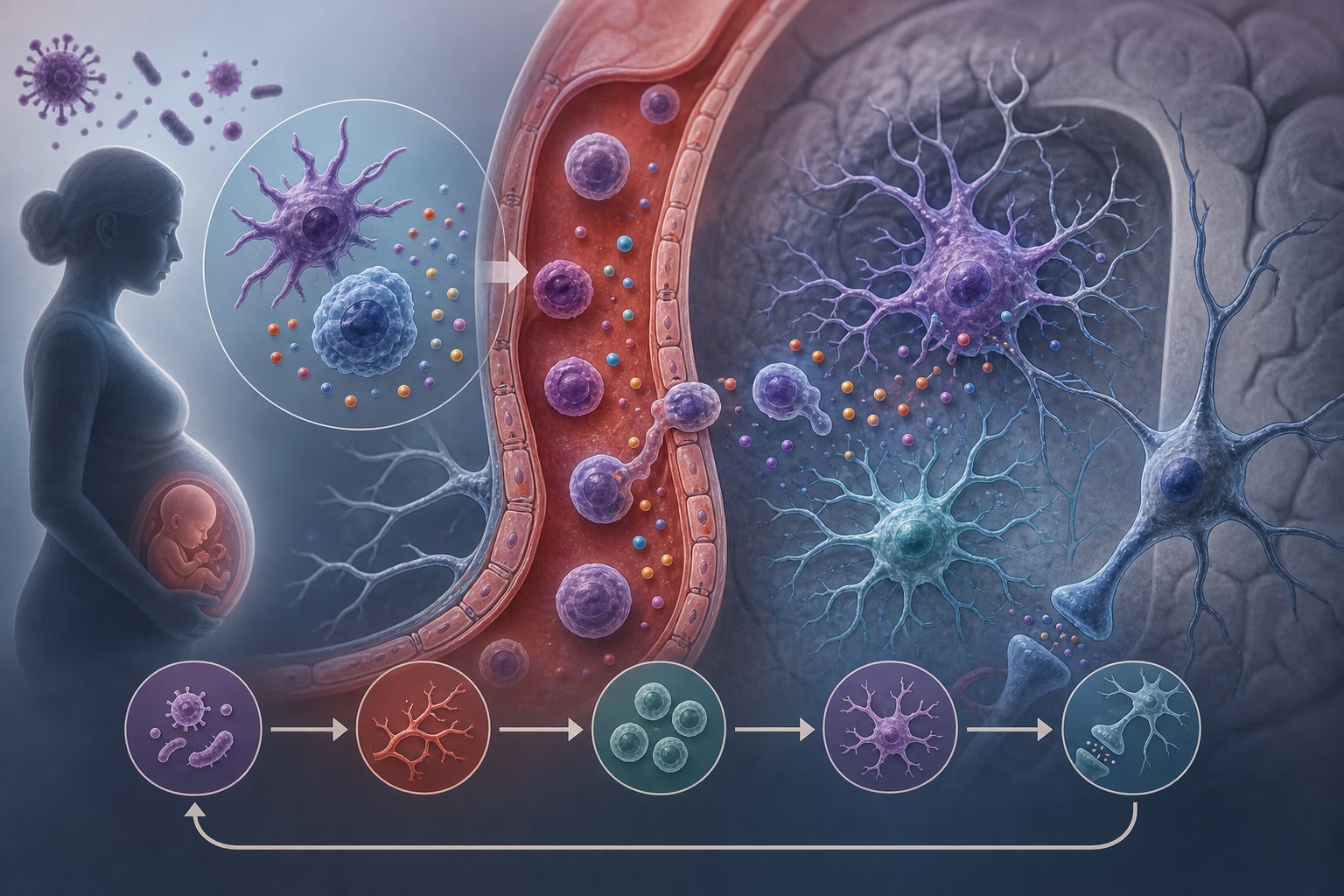
This report synthesizes evidence linking neuroinflammation to autism spectrum disorder (ASD) and proposes the Peripheral-to-Central Inflammatory Cascade-Amplification Model (PC-ICAM) as a framework for understanding and targeting therapeutic interventions. It highlights the need for multi-node, mechanism-matched interventions rather than relying on single anti-inflammatory strategies.
Background
ASD is a complex neurodevelopmental disorder with rising prevalence and significant impacts on individuals and healthcare systems. Understanding the underlying mechanisms, particularly the role of neuroinflammation, is crucial for developing effective treatments. Current diagnostic methods lack objective biomarkers, emphasizing the need for mechanistic insights to guide therapeutic strategies.
Data Highlights
No specific numerical data was provided in the source material. Consider including a statement on the lack of data or relevant statistics.
Key Findings
Neuroinflammation is linked to ASD risk, symptom development, and long-term outcomes.
The PC-ICAM model outlines a cascade from peripheral immune perturbation to central nervous system amplification.
Key inflammatory pathways involved include NF-κB, JAK/STAT, and MAPK/ERK.
Candidate interventions target various inflammatory mediators and pathways, including IL-6/IL-17 signaling and glial modulation.
Neuroinflammation can disrupt synaptic homeostasis and excitation-inhibition balance, impacting neurodevelopment.
Clinical Implications
Clinicians should consider the role of neuroinflammation in ASD when developing treatment plans. A multi-faceted approach targeting various inflammatory pathways may enhance therapeutic efficacy and address the complex nature of ASD.
Conclusion
The PC-ICAM model provides a structured understanding of neuroinflammation in ASD, highlighting the potential for targeted, mechanism-based interventions. Future research should focus on validating these therapeutic strategies.