Editorial: Dynamics of endocrine system dysfunctions and neuro-ophthalmic manifestations: early diagnostic to therapeutic implications - Report - MDSpire
Clinical Report: The Interplay of Endocrine Dysfunction and Neuro-Ophthalmic Symptoms
Overview
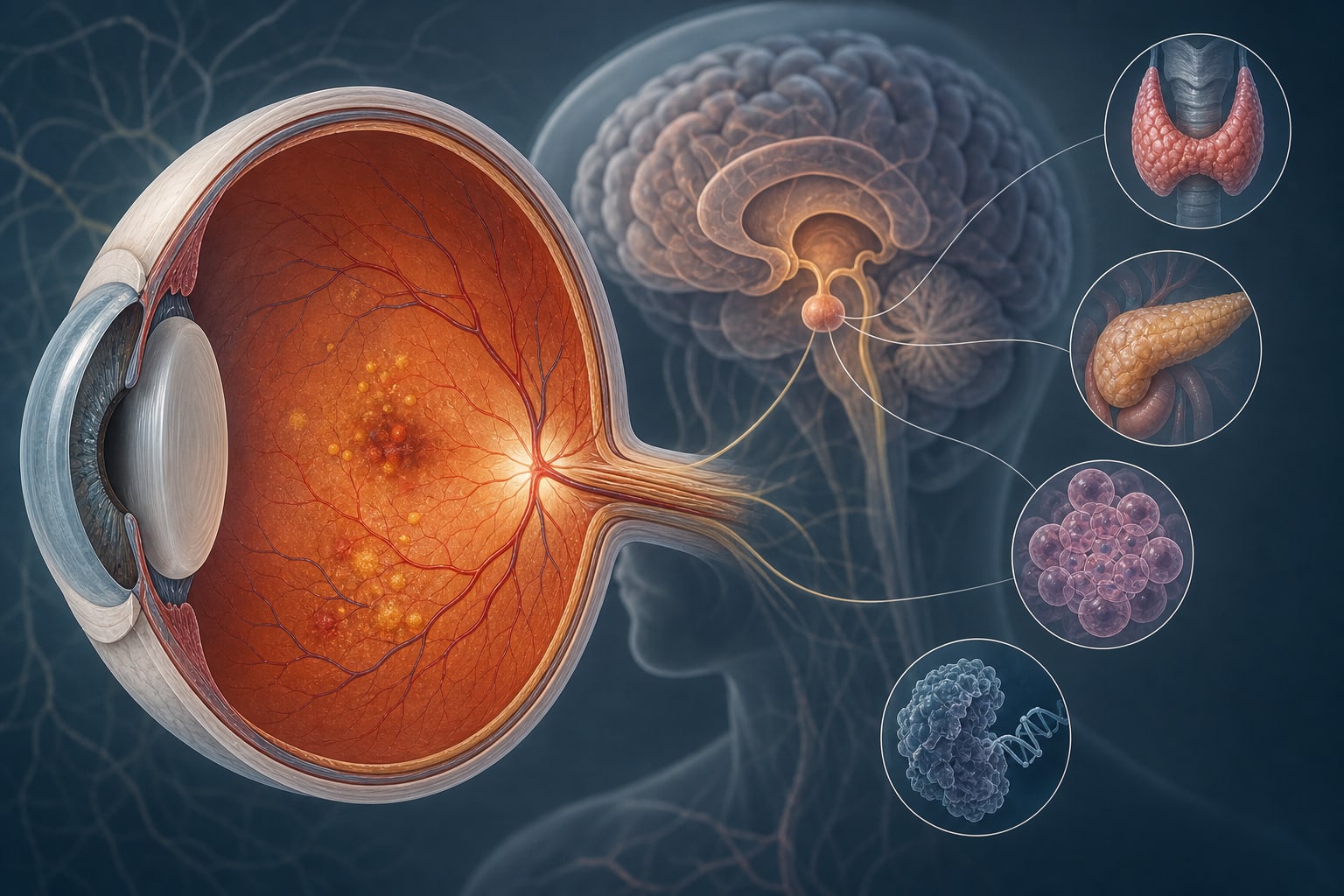
This editorial discusses the critical relationship between endocrine dysfunction and neuro-ophthalmic symptoms, emphasizing the importance of early diagnosis and treatment. It highlights how neuro-ophthalmic manifestations can serve as early indicators of systemic endocrine disorders, such as diabetes and thyroid diseases.
Background
Understanding the interplay between the endocrine and nervous systems is essential for early diagnosis and intervention in patients with systemic diseases. Neuro-ophthalmic symptoms often precede severe structural damage, making them valuable diagnostic markers. This relationship underscores the need for integrated patient care that addresses both endocrine and neurological health.
Data Highlights
No specific numerical data or trial data was provided in the source material.
Key Findings
Neuro-ophthalmic manifestations are sensitive indicators of systemic endocrine dysfunction.
MicroRNAs play a critical role in retinal neurodegeneration associated with systemic diseases.
Advanced imaging techniques, such as T2 mapping, improve the diagnosis of thyroid-associated ophthalmopathy.
Early diagnostics can prevent irreversible damage by identifying neurological biomarkers at lower concentrations.
Thyroid Eye Disease involves complex autoimmune interactions that can be targeted for intervention.
Clinical Implications
Healthcare professionals should be vigilant for neuro-ophthalmic symptoms in patients with known endocrine disorders, as these may indicate underlying complications. Early detection and intervention can significantly improve patient outcomes and prevent irreversible damage.
Conclusion
The evolving understanding of the relationship between endocrine dysfunction and neuro-ophthalmic symptoms highlights the need for integrated diagnostic and therapeutic approaches. Recognizing these early signs can lead to timely interventions and better management of systemic diseases.