Feasibility of weekly patient-reported symptom monitoring using patients' own smartphones in outpatient cancer chemotherapy: the SMART-PRO study - Report - MDSpire
Advertisement
Feasibility of weekly patient-reported symptom monitoring using patients' own smartphones in outpatient cancer chemotherapy: the SMART-PRO study
Clinical Report: Evaluation of Weekly Symptom Tracking via Patients' Smartphones
Overview
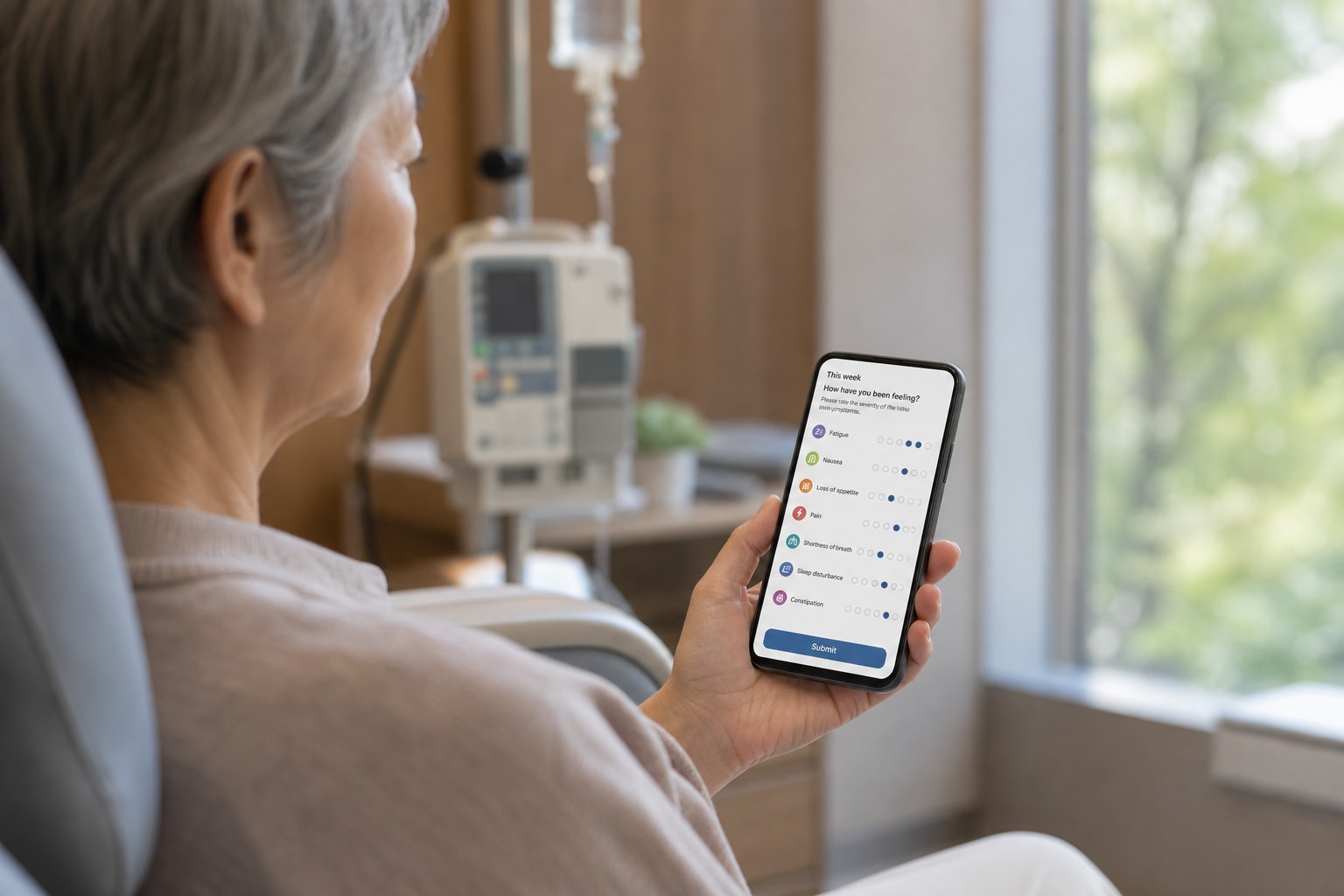
The SMART-PRO study evaluated the feasibility of using smartphones for weekly symptom tracking in outpatients undergoing chemotherapy. Results indicated a high ePRO response rate and effective monitoring of adverse events, particularly among older adults.
Background
Patient-reported outcomes (PROs) are crucial in oncology for monitoring treatment-related adverse events. The integration of electronic PRO systems, particularly using patients' own devices, has the potential to enhance symptom tracking and improve patient-clinician communication. However, the feasibility of such systems in older adult populations remains underexplored.
Data Highlights
Measure
Baseline
Week 6
Week 12
ePRO Response Rate
75%-93%
75%+
75%+
EORTC QLQ-C30 Global Health Status Score
54.8
63.5
63.4
Key Findings
The mean age of participants was 66.7 years, with most having stage IV cancer.
Weekly ePRO response rates ranged from 75% to 93% across the cohort.
Older patients (≥70 years) maintained a response rate at or above 75%.
Pain-related symptoms were the most frequent triggers for alerts, followed by numbness, rash, fatigue, and skin disorders.
No marked deterioration in HRQoL was observed over the 12-week study period.
Clinical Implications
The study demonstrates that BYOD-based ePRO monitoring is feasible in outpatient oncology settings, including for older adults. This approach may facilitate better symptom management and enhance communication between patients and healthcare providers.
Conclusion
The findings from the SMART-PRO study support the implementation of smartphone-based ePRO systems in routine oncology care, particularly for older patients.