Clinical Features and Risk Factors Associated with Necrotizing Pneumonia in Pediatric Severe Pneumonia Cases
Overview
This study identifies key clinical risk factors associated with necrotizing pneumonia (NP) in children with severe pneumonia. Significant findings include the association of chest pain, elevated white blood cell count, and increased fibrin degradation products with NP, which may aid in early identification and management.
Background
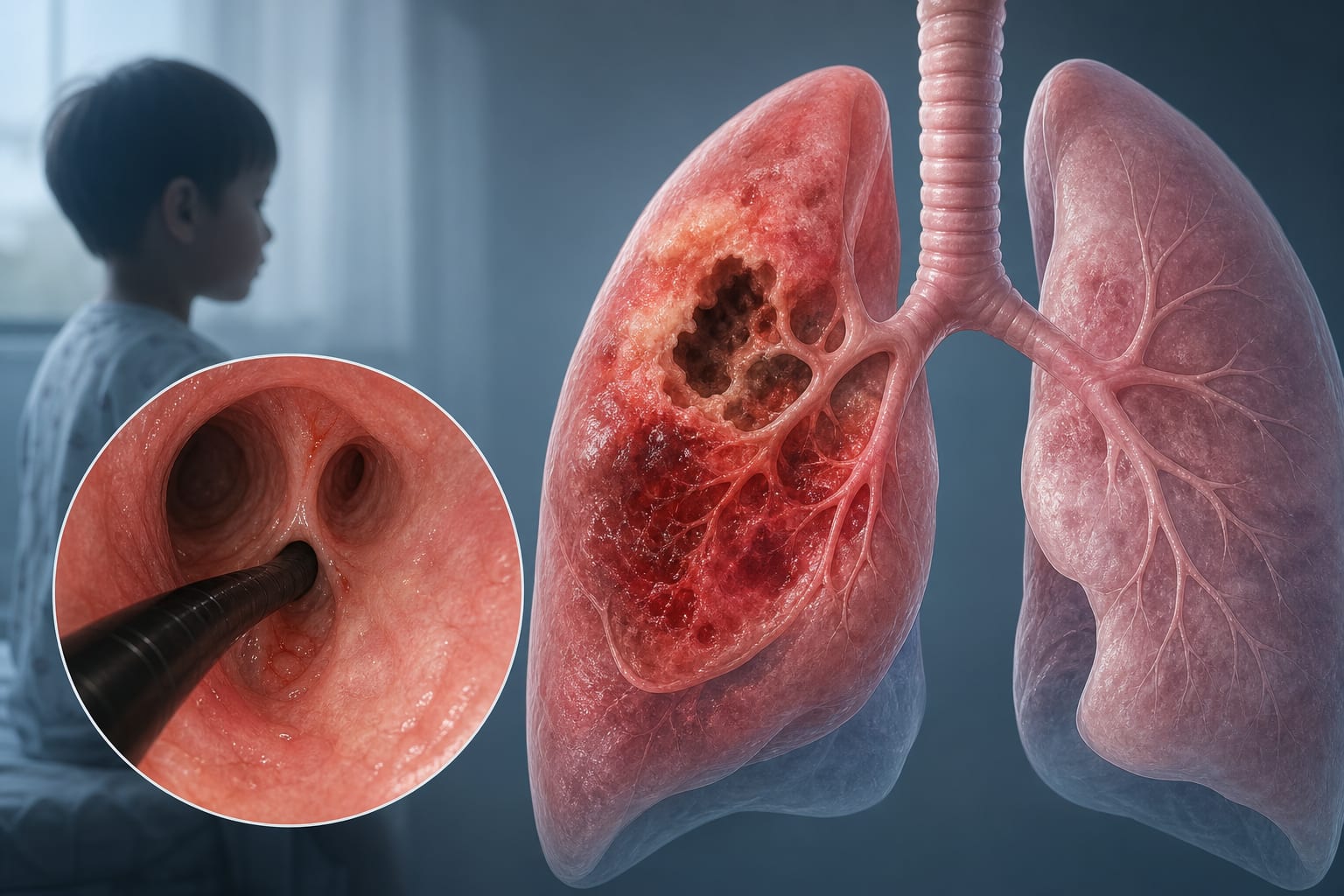
Necrotizing pneumonia is a severe complication of community-acquired pneumonia in children, characterized by extensive lung tissue destruction. Its incidence has increased, making early identification and management critical to improving patient outcomes. Understanding the risk factors associated with NP can facilitate timely interventions and optimize clinical care.
Data Highlights
Clinical Feature
NP Group
NNP Group
Duration of Fever
Significantly longer
Shorter
Chest Pain
More prevalent
Less prevalent
WBC Count
Elevated
Normal
Fibrin Degradation Products
Increased
Normal
Bronchoscopic Procedures
More frequent
Less frequent
Key Findings
Chest pain, elevated WBC, and increased FDPs were independently associated with NP.
Children with NP had significantly longer duration of fever compared to the NNP group.
Wheezing and chest pain were identified as key clinical features in NP cases.
The predictive model combining chest pain, WBC, and FDPs showed an AUC of 0.941.
NP is associated with prolonged hospitalization and increased risk of complications.
Clinical Implications
Recognizing the clinical features and risk factors for necrotizing pneumonia can enhance early detection and intervention strategies in pediatric patients. Clinicians should monitor for chest pain, elevated WBC, and increased FDPs in children with severe pneumonia to identify those at higher risk for NP.
Conclusion
The identification of specific clinical features associated with necrotizing pneumonia can inform risk assessment and management strategies in pediatric patients with severe pneumonia. Early intervention may improve outcomes for affected children.