Clinical Report: Characterization of Unique Symptom Patterns in Patients with Primary Brain Tumors
Overview
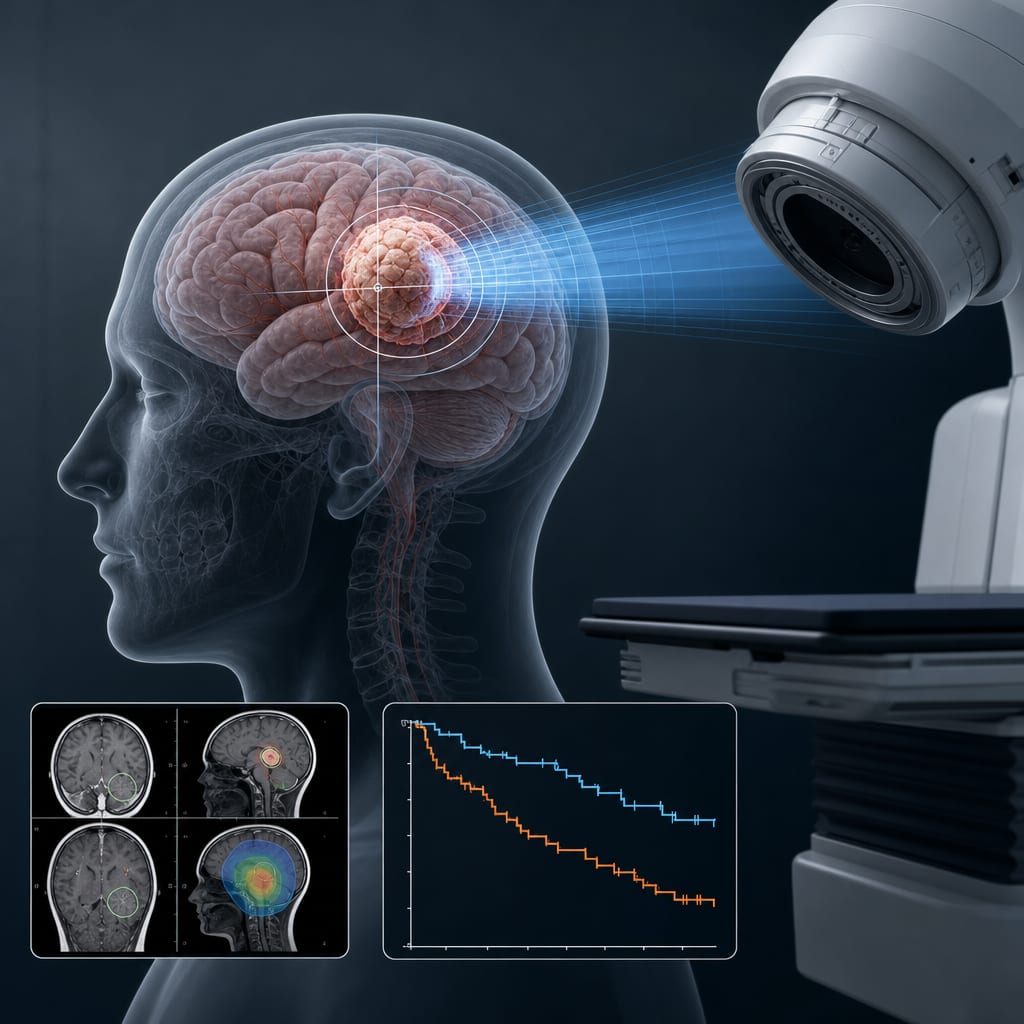
This prospective longitudinal study identifies distinct symptom profiles in patients with primary brain tumors at three perioperative time points. Utilizing Latent Profile Analysis, the research highlights the importance of understanding symptom clusters to improve patient management and outcomes.
Background
Cite specific studies that support claims about symptomatology and treatment challenges.
Data Highlights
No numerical data presented in the article.
Key Findings
Distinct symptom profiles were identified at three perioperative time points: admission, three days post-surgery, and two weeks post-surgery.
Latent Profile Analysis (LPA) was effectively utilized to categorize patients based on shared symptom patterns.
Symptoms commonly included headache, seizures, cognitive impairment, and emotional distress, varying by tumor location and histopathology.
Understanding symptom clusters can facilitate early detection of high-risk patients and targeted symptom management.
The study highlights the need for subgroup-specific monitoring and supportive strategies in brain tumor care.
Clinical Implications
Clinicians should consider the identification of symptom clusters in brain tumor patients to tailor management strategies effectively. Early recognition of distinct symptom profiles can lead to improved quality of life and potentially better functional outcomes for patients undergoing treatment.
Conclusion
This study underscores the importance of recognizing unique symptom patterns in brain tumor patients, which can inform clinical practice and enhance patient support strategies. Continued research in this area is essential for optimizing care and improving patient outcomes.
These 10 states make it more practical for physicians to participate in hospital ownership by aligning statutory structure, corporate practice of medicine rules, and population trends.
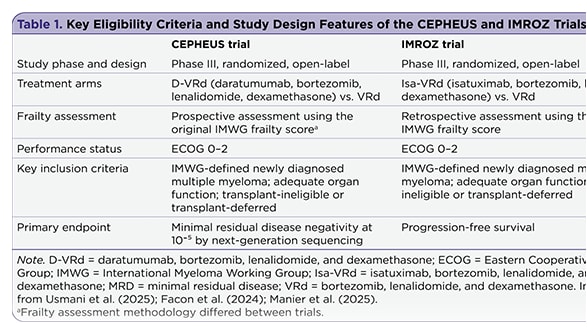
The management of newly diagnosed transplant-ineligible multiple myeloma remains challenging, in part due to the complexity of treatment decisions for frail patients. Recent subgroup analyses provide insight into whether quadruplet therapy may offer advantages over triplet therapy in this population.