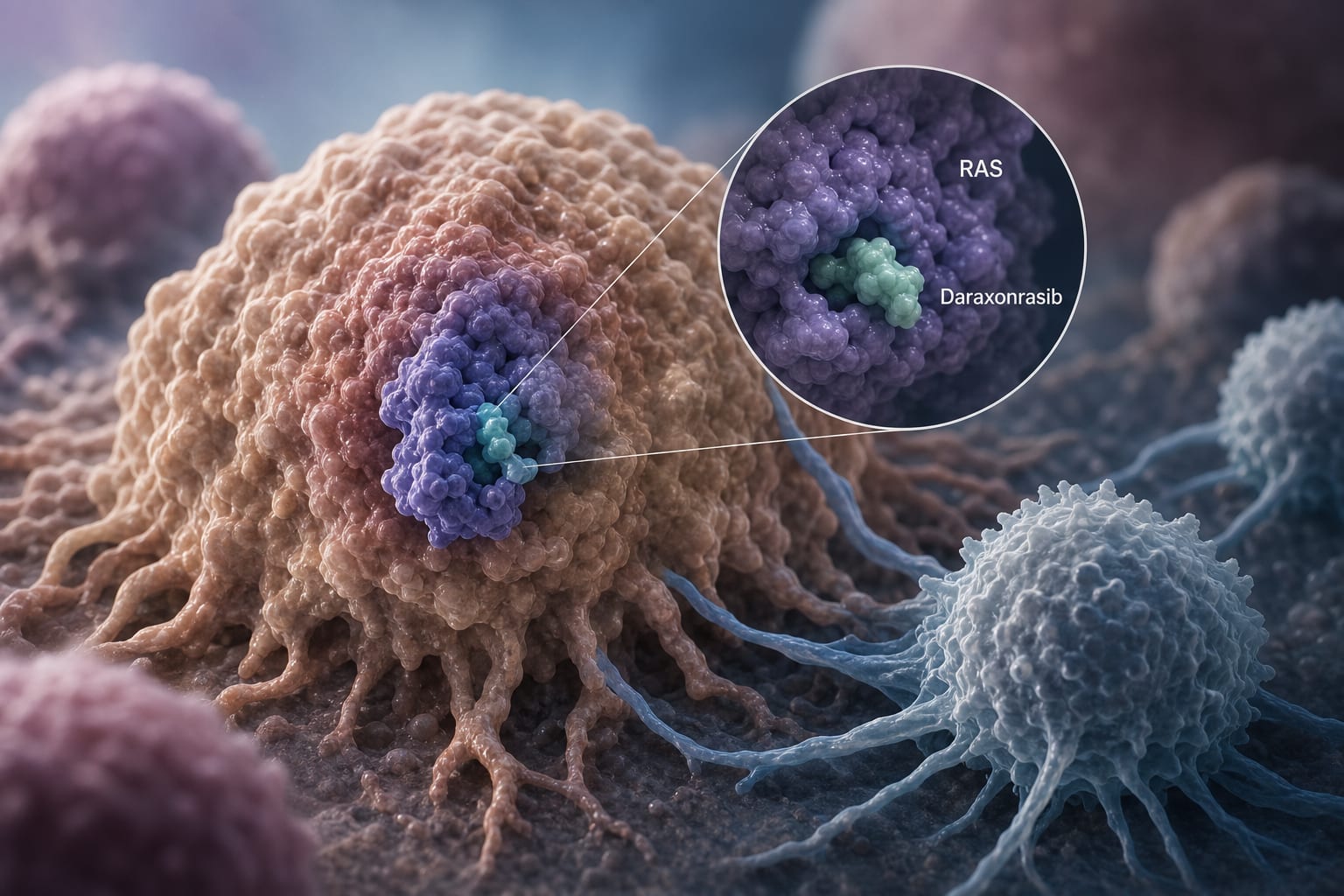
Clinical Report: Acute Myeloid Leukemia: An In-Depth Review and Update for 2016
Overview
Acute myeloid leukemia (AML) is the most common acute leukemia in adults, with incidence increasing with age and poor prognosis in the elderly. AML pathogenesis involves complex genetic mutations and chromosomal abnormalities, with recent classification systems integrating genetic data to improve diagnosis and prognosis.
Background
AML accounts for approximately 80% of acute leukemia cases in adults, with an incidence of 3 to 5 cases per 100,000 population in the United States. The disease predominantly affects older adults, with a markedly higher incidence and mortality rate in patients over 65 years. AML arises from abnormal proliferation and differentiation of myeloid stem cells, often driven by chromosomal translocations and genetic mutations. The 2016 WHO classification incorporates genetic, morphological, and clinical features to define AML subtypes, enhancing diagnostic precision.
Data Highlights
Mutation
Frequency (%)
Prognostic Impact
FLT3 (ITD and TKD)
28
Worse prognosis
K/NRAS
12
Not specified
TP53
8
Not specified
c-KIT
4
Associated with t(8;21), impacts prognosis
NPM1
27
Better prognosis
CEBPA
6
Better prognosis
Epigenetic genes (DNMT3A, TET2, IDH1/2)
40+
Not specified
STAT3 activation
Up to 50
Worse prognosis
Key Findings
AML incidence increases with age, with a poor prognosis in patients aged 65 years or older, where up to 70% die within one year of diagnosis.
AML pathogenesis involves a two-hit model requiring both class I mutations (proliferative) and class II mutations (differentiation impairment) for leukemogenesis.
Genetic mutations are identified in over 97% of AML cases, including common mutations such as FLT3, NPM1, and CEBPA, which influence prognosis.
The 2016 WHO classification integrates genetic abnormalities with morphology and clinical features to define AML subtypes, improving diagnostic accuracy.
STAT3 activation, often due to cytokine secretion or receptor tyrosine kinase mutations, is present in up to 50% of AML cases and is associated with worse outcomes.
Clinical presentation typically includes leukocytosis and bone marrow failure symptoms; diagnosis requires ≥20% blasts in marrow or blood or specific genetic abnormalities.
Clinical Implications
Understanding the genetic landscape of AML is critical for accurate diagnosis, risk stratification, and treatment planning. The integration of genetic mutations into classification systems allows for more personalized therapeutic approaches and prognostic assessments. Clinicians should be aware of the poor prognosis in elderly patients and the importance of genetic testing in guiding management.
Conclusion
AML is a genetically heterogeneous disease with complex pathogenesis involving multiple mutation classes. Advances in genetic characterization and classification have improved diagnostic precision and prognostic evaluation, although outcomes remain poor in older patients.
References
Article Source 2016 -- Acute Myeloid Leukemia: An In-Depth Review and Update for 2016