Clinical Report: Fecal Microbiota Transplantation Alleviates Inflammation in HIV
Overview
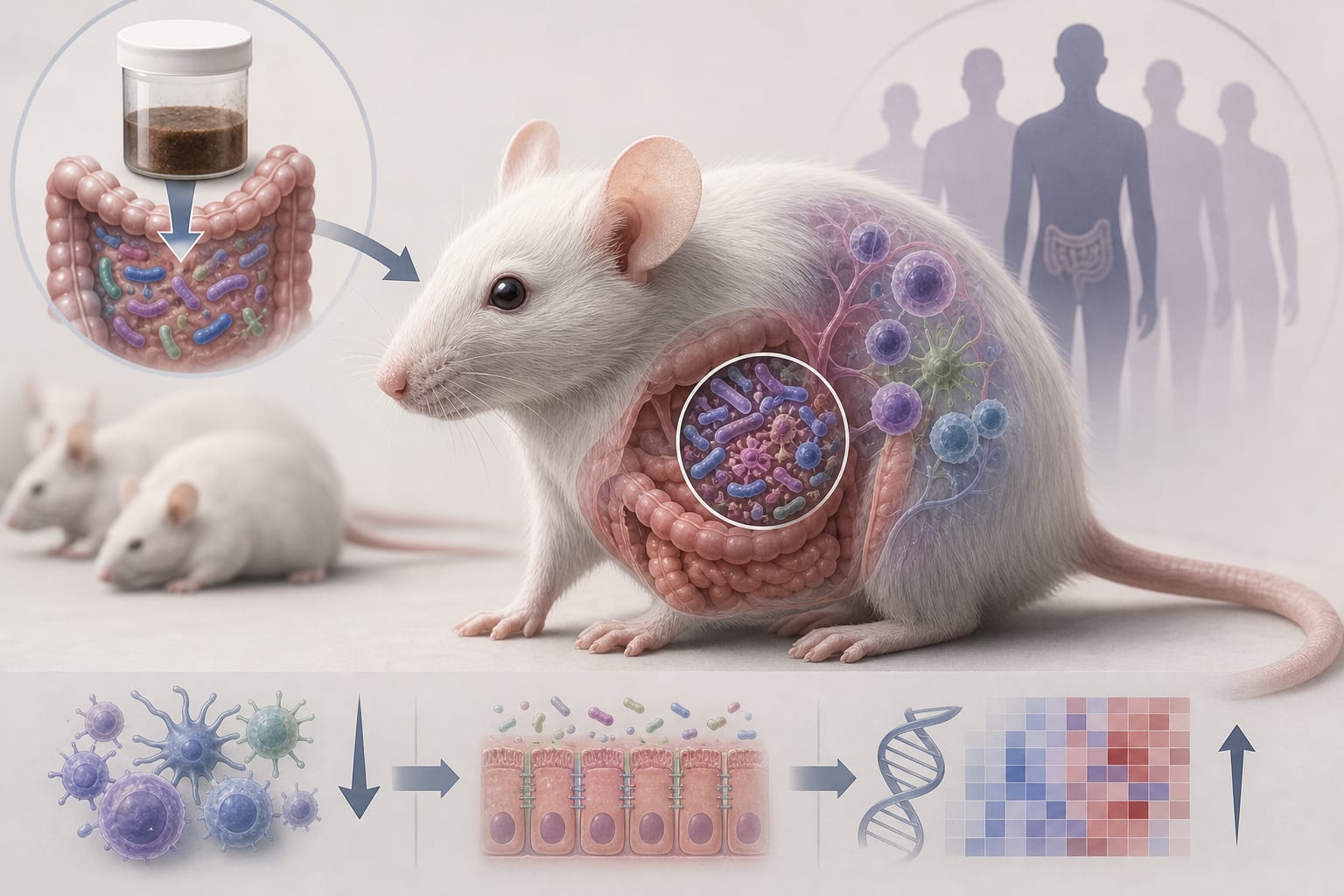
Fecal microbiota transplantation (FMT) in HIV-infected double humanized-BLT mice receiving antiretroviral therapy (ART) significantly improved gut microbial composition and reduced systemic inflammation. The study highlights FMT's potential as an adjunctive therapy to enhance gut health and mitigate inflammation in people living with HIV.
Background
Cite specific studies that demonstrate the link between gut dysbiosis and inflammation in PLWH.
Upregulated genes associated with tissue maintenance
Yes
No
Downregulated inflammatory pathways
Yes
No
Key Findings
FMT increased the abundance of beneficial gut bacteria in HIV-infected mice on ART.
Significant reduction in plasma inflammatory markers was observed in the FMT group compared to ART alone.
Genes related to cellular structure and tissue maintenance were upregulated following FMT.
Inflammatory signaling pathways were downregulated in the FMT-supplemented group.
FMT may improve gut health and reduce comorbidities in PLWH on ART.
Clinical Implications
The findings suggest that FMT could be a valuable adjunctive therapy for reducing systemic inflammation and improving gut health in PLWH on ART. Clinicians may consider the potential benefits of FMT in managing HIV-related comorbidities, although further studies are needed to establish clinical protocols.
Conclusion
FMT shows promise as a therapeutic strategy to mitigate inflammation and restore gut health in HIV-infected individuals on ART. Further research is warranted to explore its clinical applications and long-term benefits.