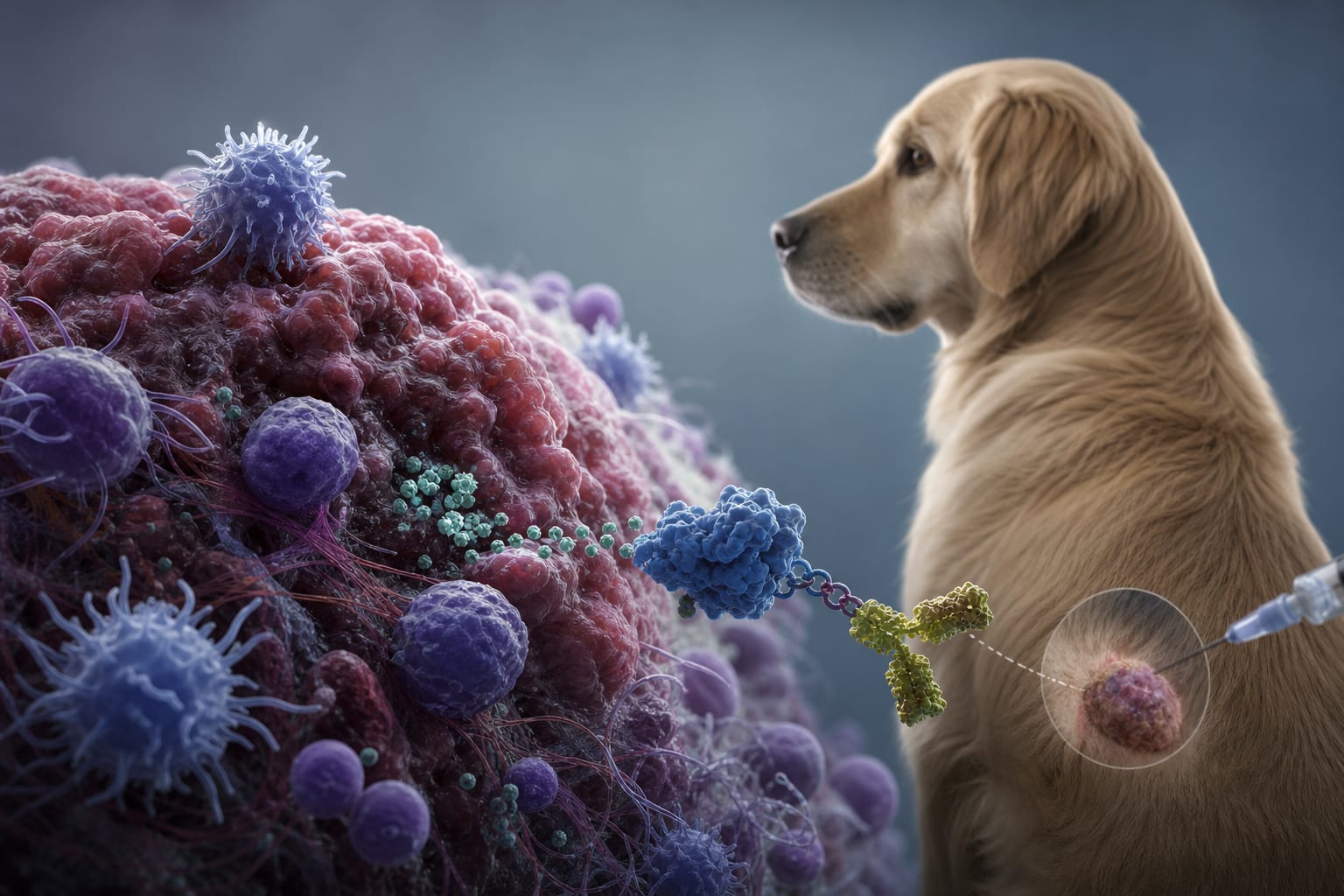
Clinical Report: Strategies for Targeting and Delivering Cytokines in Canine Cancer
Background
Cytokine therapies face challenges due to systemic absorption leading to immune-related toxicity, which limits their effectiveness in treating tumors. Pet dogs with spontaneous cancers provide a valuable model for studying these therapies, as they share similarities with human tumor biology and immune responses. Investigating cytokine delivery in dogs can inform both veterinary and human oncology.
Data Highlights
No numerical data provided in the source material.
Key Findings
Targeted cytokine delivery platforms evaluated in dogs include IL-12 anchored to aluminum hydroxide and antibody-cytokine immunocytokines.
Solid malignancies studied in dogs encompass melanoma, soft tissue sarcoma, and osteosarcoma.
Pharmacodynamic patterns observed in dogs have parallels in human clinical trials.
Canine models allow for humane collection of tumor biopsies and assessment of nuanced therapeutic responses.
Engineered cytokines with tunable biodistribution properties may enhance local tumor exposure while reducing systemic toxicity.
Clinical Implications
The findings suggest that targeted cytokine therapies in dogs can provide insights into their safety and efficacy, which may be applicable to human cancer treatments. This comparative approach could guide future clinical trials and therapeutic strategies in both veterinary and human medicine.
Conclusion
The exploration of cytokine delivery in canine cancer models presents significant opportunities for advancing immunotherapy strategies, with implications for both veterinary and human oncology.