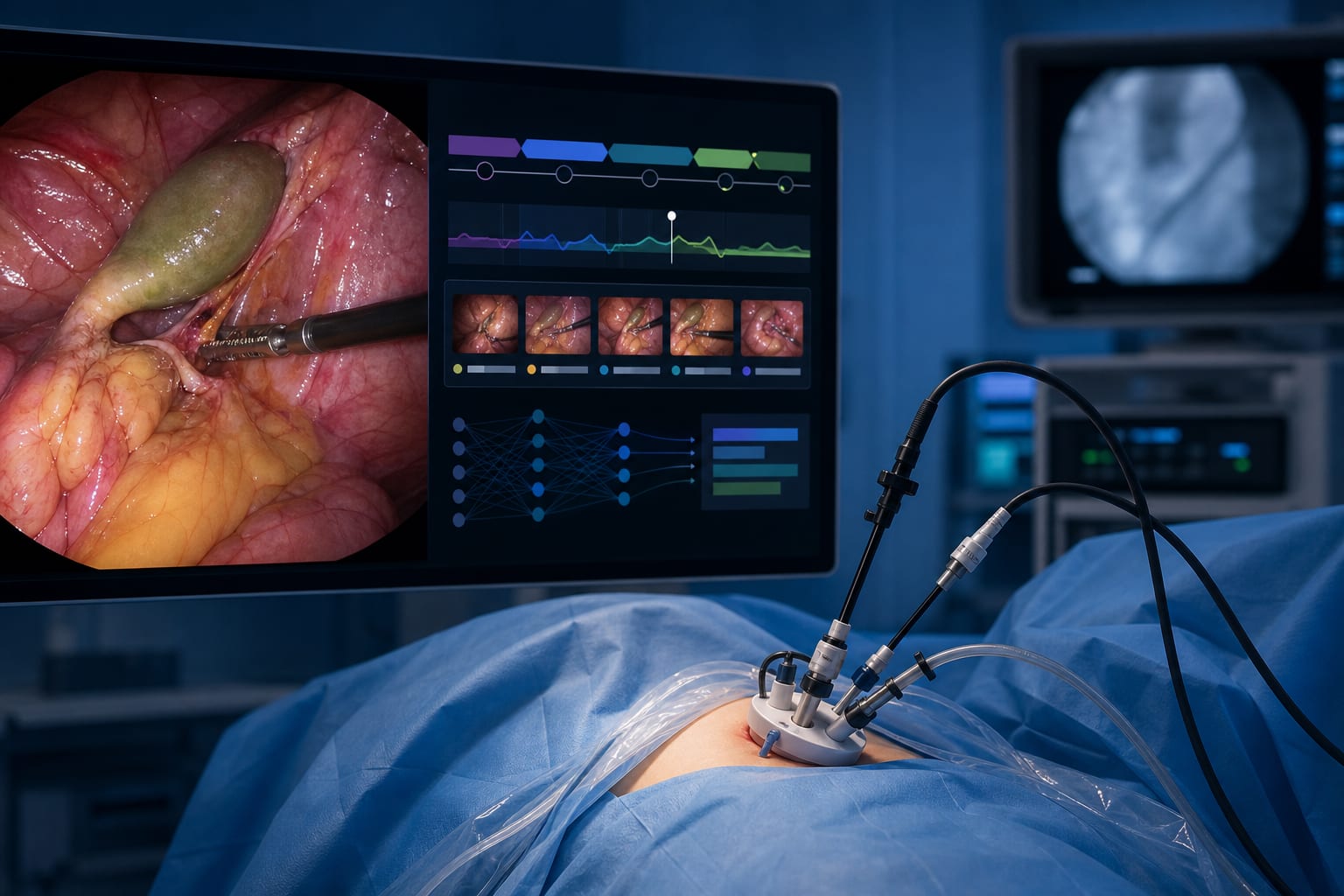
Clinical Report: Enhancing Peritoneal Dialysis Access Through Laparoscopic Techniques
Overview
This study compares outcomes of open, multi-port, and single-port laparoscopic catheter placement for peritoneal dialysis, highlighting the need for standardized metrics in evaluating catheter-related complications and surgical techniques.
Background
Chronic kidney disease (CKD) affects over 10% of the global population, necessitating effective kidney replacement therapies such as peritoneal dialysis (PD). PD is underutilized partly due to complications related to catheter placement. Understanding optimal techniques for catheter insertion is crucial for enhancing PD outcomes.
Data Highlights
No numerical data provided in the source material.
Key Findings
CKD prevalence is estimated at about 14% globally in 2023.
Catheter-related complications are significant drivers of technique failure and unplanned conversion to hemodialysis.
Laparoscopic techniques may offer advantages over open surgery, including better visualization and management of complications.
There is a lack of large comparative studies on single-port versus multi-port laparoscopic techniques.
Clinical Implications
Clinicians should consider the potential benefits of laparoscopic approaches while being aware of existing knowledge gaps.
Conclusion
This study highlights the need for further research to establish best practices for peritoneal dialysis catheter placement.