Cardiometabolic Index: a novel prognostic biomarker for recurrent stroke risk in acute ischemic stroke patients
-
By
-
Yue Wang
-
Yingying Ding
-
Min Han
-
Yehong Liu
-
Tao Xin
-
June 10, 2026
-
0 min
Clinical Report: Cardiometabolic Index as a Prognostic Marker for Stroke Risk
Overview
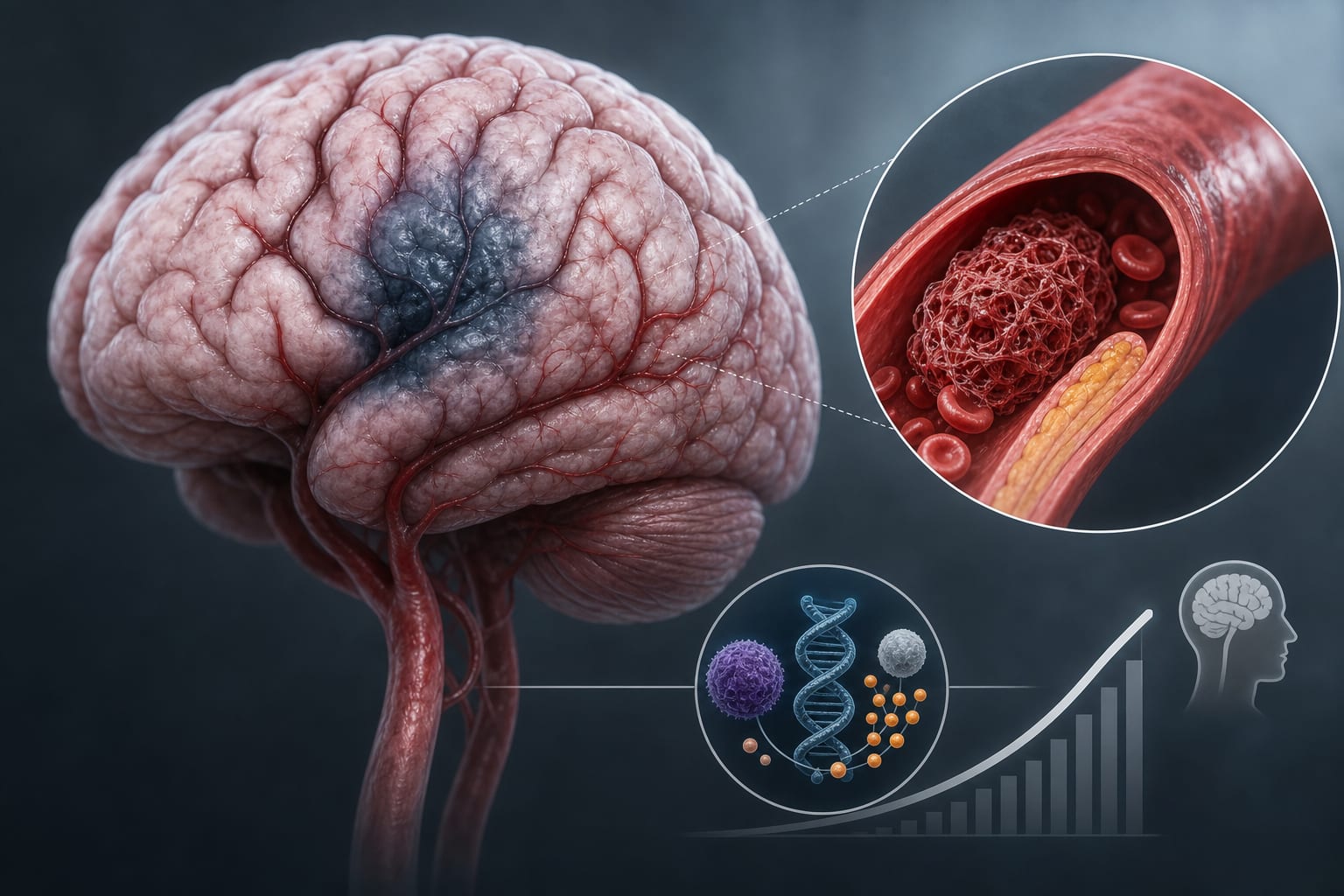
The Cardiometabolic Index (CMI) has been identified as a superior prognostic biomarker for predicting major adverse cerebrovascular events (MACEs) in patients with acute ischemic stroke (AIS) following thrombolytic therapy. A high CMI value (≥0.80) correlates with an increased risk of MACEs, with systemic inflammation playing a mediating role in this association.
Background
Stroke is a leading cause of morbidity and mortality globally, with recurrent strokes significantly impacting patient outcomes and healthcare systems. Identifying effective biomarkers for predicting adverse cerebrovascular events post-thrombolysis is crucial for optimizing patient management and improving long-term outcomes. The CMI, which reflects metabolic and inflammatory status, may enhance risk stratification in AIS patients.
Data Highlights
| Measure | Result |
|---|---|
| CMI predictive performance | Superior to traditional biomarkers |
| High CMI value (≥0.80) | Independently correlated with increased MACE risk |
Key Findings
- CMI is a reliable prognostic biomarker for predicting MACEs in AIS patients post-thrombolysis.
- A high CMI value (≥0.80) is associated with an increased risk of adverse cerebrovascular events.
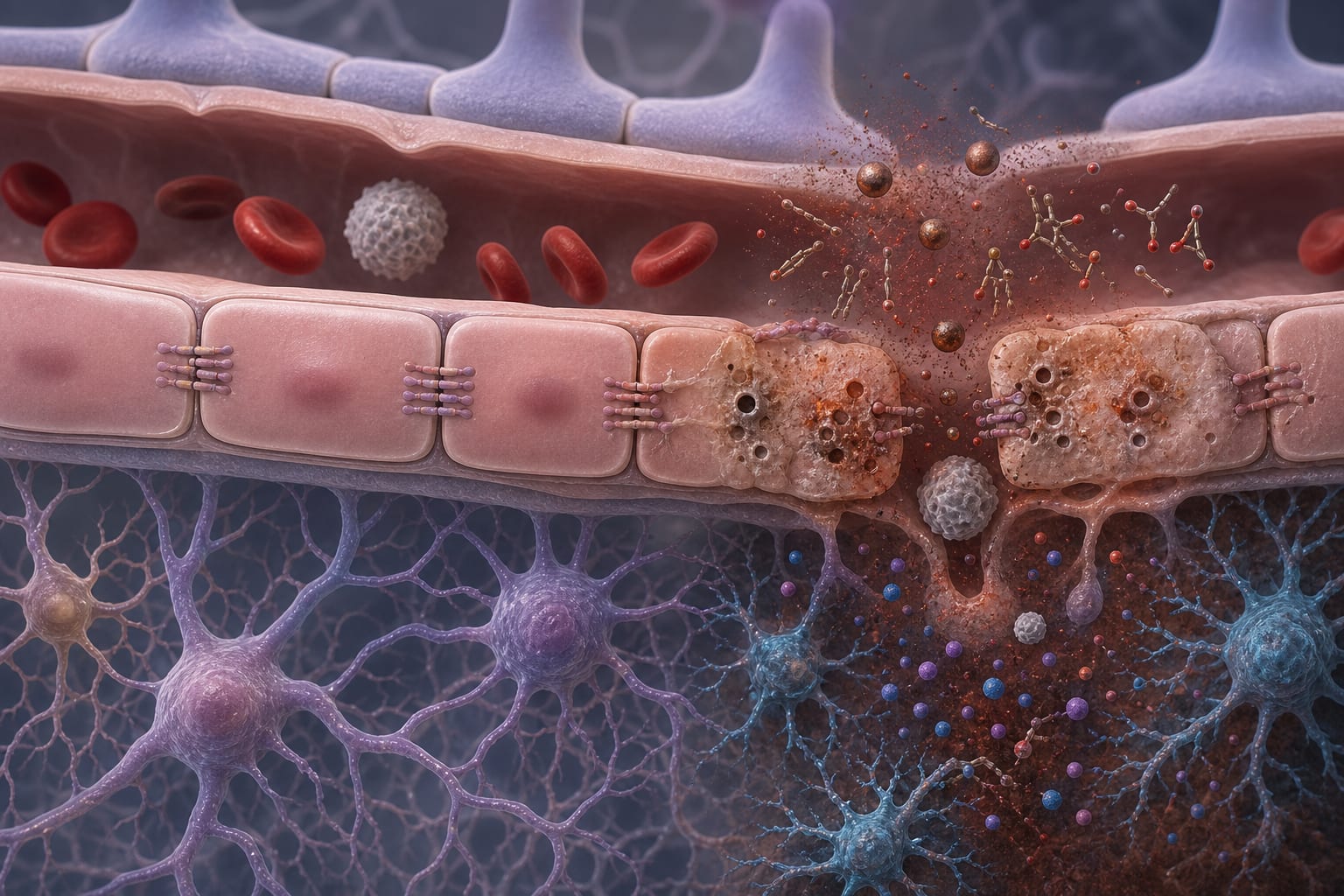
- Systemic inflammation partially mediates the relationship between CMI and adverse clinical outcomes.
- CMI provides better predictive capability compared to conventional biomarkers.
- Further large-sample cohort studies are needed to validate the clinical applicability of CMI.
Clinical Implications
The CMI can be utilized to refine risk stratification and inform individualized treatment strategies for AIS patients. Understanding the role of systemic inflammation in this context may guide therapeutic interventions aimed at improving patient outcomes.
Conclusion
The Cardiometabolic Index presents a promising tool for predicting recurrent stroke risk in patients with acute ischemic stroke, warranting further investigation to confirm its clinical utility.
Related Resources & Content
- Frontiers in Neurology, 2026 -- Cardiometabolic index and modified cardiometabolic index are associated with early neurological deterioration in patients with acute ischemic stroke
- Frontiers in Cardiovascular Medicine, 2026 -- The association between the C-reactive protein-triglyceride glucose index and myocardial injury after acute ischemic stroke: a machine learning analysis of the brain-heart axis
- Frontiers in Cardiovascular Medicine, 2026 -- Prognostic value of CTI for major adverse cardiovascular events in patients With ST-elevation myocardial infarction after primary percutaneous coronary intervention
- Guideline European Stroke Organisation (ESO) Guidelines on antithrombotic treatment for secondary prevention of stroke and other thromboembolic events in patients with stroke or transient ischemic attack and non-valvular atrial fibrillation
- American College of Cardiology -- American and European Guideline Comparison for Ischemic Stroke and TIA: Key Points
- Frontiers in Cardiovascular Medicine — The influence of C-reactive protein-triglyceride-glucose index (CTI) on the prognosis of heart failure patients with different ejection fractions
- Frontiers | Cardiometabolic Index: A Novel Prognostic Biomarker for Recurrent Stroke Risk in Acute Ischemic Stroke Patients
- Guideline European Stroke Organisation (ESO) Guidelines on antithrombotic treatment for secondary prevention of stroke and other thromboembolic events in patients with stroke or transient ischemic attack and non-valvular atrial fibrillation
- Guideline European Stroke Organisation (ESO) expedited recommendation for the use of short-term dual antiplatelet therapy early after minor stroke and high-risk TIA
- American and European Guideline Comparison for Ischemic Stroke and TIA: Key Points - American College of Cardiology
- Clopidogrel with Aspirin in Acute Minor Stroke or Transient Ischemic Attack
- Platelet-Oriented Inhibition in New TIA and Minor Ischemic Stroke - American College of Cardiology
- Ticagrelor and Aspirin or Aspirin Alone in Acute Ischemic Stroke or TIA - PubMed
- Treat Stroke to Target - American College of Cardiology
- Insulin Resistance Intervention After Stroke - American College of Cardiology
- Safety and efficacy of factor XIa inhibition with milvexian for secondary stroke prevention (AXIOMATIC-SSP): a phase 2, international, randomised, double-blind, placebo-controlled, dose-finding trial - PMC
- OCEANIC-STROKE: Asundexian Lowers Recurrent Stroke Risk in Patients With Noncardioembolic Stroke or TIA - American College of Cardiology
- The “cardiometabolic index” as a new marker determined by adiposity and blood lipids for discrimination of diabetes mellitus - ScienceDirect
- Association of cardiometabolic index and risk of stroke: A systematic review and meta-analysis - ScienceDirect
- Association between cardiometabolic index and stroke risk: insights from the CHARLS cohort study
- Long-Term Risk of Stroke After Transient Ischemic Attack or Minor Stroke
- Residual Risk of Recurrent Stroke Despite Anticoagulation in Patients With Atrial Fibrillation: A Systematic Review and Meta-Analysis | Cerebrovascular Disease | JAMA Neurology | JAMA Network
This content is an AI-generated, fully rewritten summary based on a published scholarly article. It does not reproduce the original text and is not a substitute for the original publication. Readers are encouraged to consult the source for full context, data, and methodology.