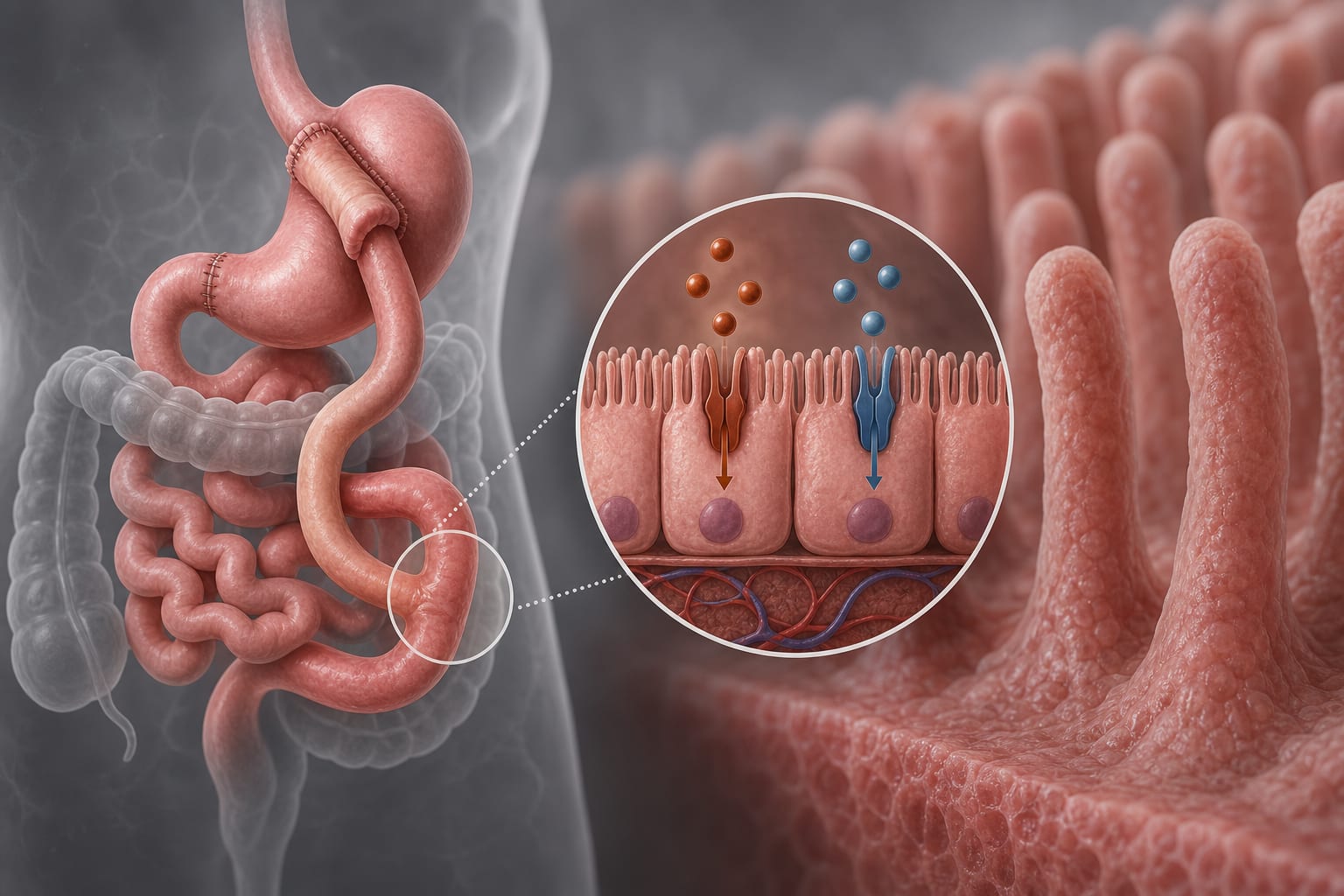
Bikini-line Hiatal Hernia Repair (BLHHR) During Sleeve Gastrectomy
-
By
-
Tamer N Abdelbaki
-
October 20, 2023
-
0 min
Bikini-Line Hiatal Hernia Repair During Sleeve Gastrectomy: Feasibility and Safety
Overview
This study introduces the Bikini-Line Hiatal Hernia Repair (BLHHR) technique performed concurrently with Bikini-Line Sleeve Gastrectomy (BLSG) in obese patients with hiatal hernia (HH). The approach demonstrated feasibility and safety, with satisfactory surgical outcomes and improved cosmetic results.
Background
Laparoscopic sleeve gastrectomy (LSG) is the most common bariatric surgery but is associated with concerns regarding gastroesophageal reflux disease (GERD). Hiatal hernia (HH) is prevalent in obese patients and is an independent risk factor for GERD. Concurrent repair of HH during LSG is recommended to reduce postoperative reflux. The Bikini-Line Sleeve Gastrectomy (BLSG) technique places trocars in the lower abdomen to minimize visible scarring, and this study explores performing HH repair through the same access points.
Data Highlights
| Parameter | Value/Outcome |
|---|---|
| Study period | September 2020 - October 2022 |
| Patient selection criteria | Obese patients with HH ≤ 3 cm, BMI ≤ 55 kg/m2, specific anatomical distances for ergonomics |
| GERD symptom grading | Grade 0-3 scale based on symptoms and PPI use |
| Scar satisfaction assessment | PSAQ subscales with 4-point categorical responses |
| Follow-up duration | Minimum 6 months |
Key Findings
- The BLHHR technique allowed successful hiatal hernia repair through bikini-line trocar placement without additional incisions.
- Patients with HH ≤ 3 cm and BMI ≤ 55 kg/m2 were safely treated using this approach.
- Postoperative GERD symptoms were evaluated and showed improvement or stabilization following concurrent HH repair.
- Scar satisfaction was high, with patients reporting favorable cosmetic outcomes due to concealed incisions.
- No major operative complications or increased surgical time were reported with the BLHHR approach.
- Patient positioning and trocar placement were optimized to maintain ergonomic access during the procedure.
Clinical Implications
The BLHHR approach offers a safe and effective method for repairing hiatal hernias concurrently with sleeve gastrectomy while enhancing cosmetic outcomes by minimizing visible scarring. Surgeons should consider patient selection criteria such as hernia size, BMI, and anatomical distances to ensure procedural success. This technique may improve patient satisfaction without compromising surgical safety or efficacy.
Conclusion
The Bikini-Line Hiatal Hernia Repair technique is a feasible and safe adjunct to Bikini-Line Sleeve Gastrectomy, providing effective hernia repair with improved cosmetic results. Further studies with larger cohorts and longer follow-up are warranted to confirm these initial findings.
References
- Daes et al. 2020 -- Prevalence of Hiatal Hernia in Sleeve Gastrectomy Patients
- International Sleeve Gastrectomy Expert Panel Consensus Statement 2018 -- Recommendations on Hiatal Hernia Repair
- Scar Assessment Questionnaire (PSAQ) Validation Studies
- Clinical Classification System for GERD Symptoms 2015
- Definitions of Diabetes and Hypertension Remission and Resolution 2017
This content is an AI-generated, fully rewritten summary based on a published scholarly article. It does not reproduce the original text and is not a substitute for the original publication. Readers are encouraged to consult the source for full context, data, and methodology.